


Practical Guide to CNC Machining & Manufacturing
CNC machining is one of the most important technologies in modern manufacturing. It is used to produce parts for cars, airplanes, medical devices, electronics, and many other industries. This Practical Guide to CNC Machining & Manufacturing explains the basics in simple language so beginners can understand how it works, what machines are used, which materials are suitable, and how to control quality and cost.
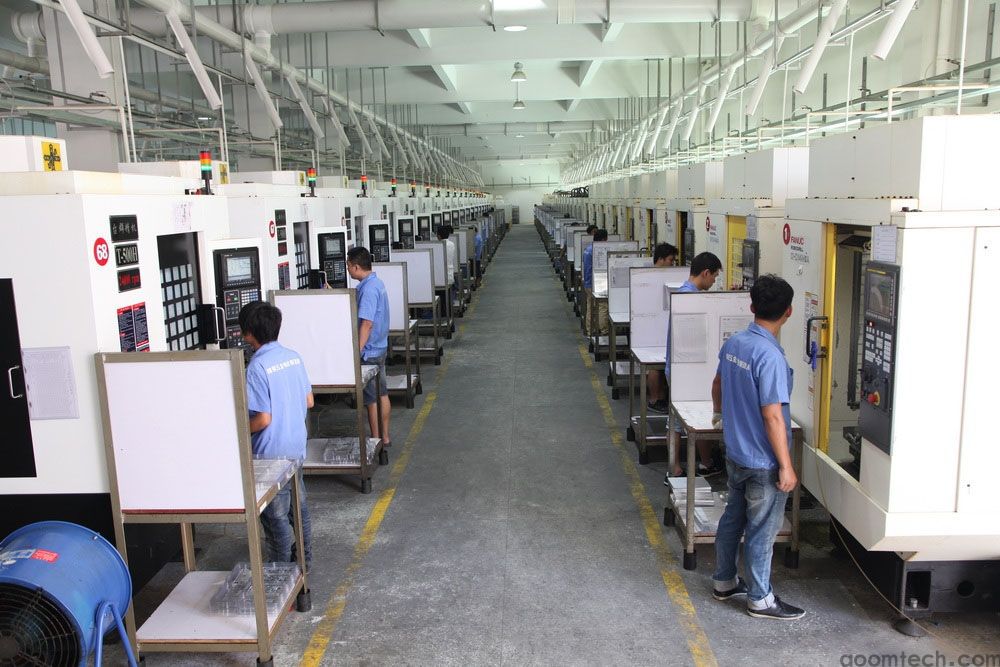
Introduction to CNC Machining
CNC stands for Computer Numerical Control. CNC machining means using a computer to control cutting machines that shape raw material into finished parts.
In traditional machining, a skilled worker manually controls the machine. This depends heavily on experience and can lead to small differences between parts. In CNC machining, the computer follows a programmed design, so the machine produces parts with very high accuracy and repeatability.
For example, if you need 1,000 identical metal brackets, a CNC machine can produce all of them with almost the same size and shape. This level of consistency is very difficult to achieve with manual machining.
Key advantages include:
High precision and accuracy
Repeatable production of identical parts
Faster production speed
Reduced human error
CNC Machine Types
Understanding different machines is an important part of CNC machine types explained. Each machine is designed for specific tasks.
CNC Milling Machines
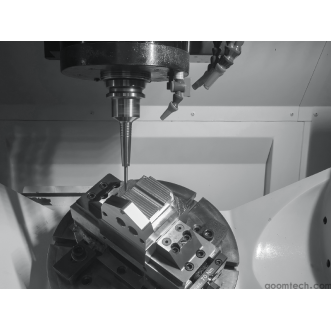
CNC mills use rotating cutting tools to remove material from a workpiece. They are very flexible and can create complex 3D shapes, slots, holes, and detailed surfaces. They are widely used in aerospace, automotive, and industrial parts manufacturing.
CNC Lathes
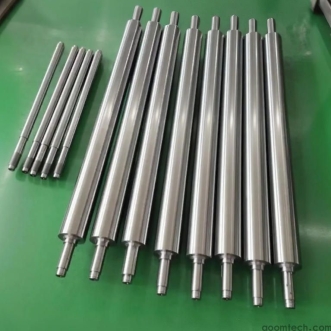
CNC lathes rotate the material while a cutting tool shapes it. They are mainly used for cylindrical parts such as shafts, bushings, and pipes. Lathes are very efficient for producing round and symmetrical components.
CNC Routers
CNC routers are similar to milling machines but are often used for softer materials like wood, plastic, and foam. They are commonly used in furniture making, signage, and prototyping.
Each machine type plays a different role, and choosing the right one depends on the shape and material of the part.
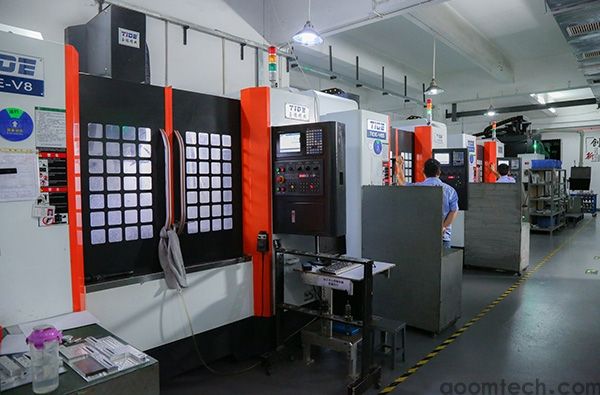
Materials for CNC Machining
Choosing the right material is a key step in manufacturing. A good materials for CNC machining guide helps improve performance, reduce cost, and avoid machining problems.
Metals
Aluminum: Lightweight, easy to machine, and widely used in aerospace and electronics.
Steel: Strong and durable but harder to machine. Used for structural parts and tools.
Titanium: Very strong and lightweight, but difficult to machine due to heat resistance and hardness.
Plastics
ABS: Strong, impact-resistant, and easy to machine.
Acrylic: Clear and good for visual parts but can crack if not handled properly.
Wood
Wood is often used in CNC routing for furniture, decoration, and prototypes. It is easy to cut but requires careful control to avoid burning or splintering.
Material properties such as hardness, brittleness, and thermal conductivity directly affect cutting speed, tool wear, and surface finish. For example, harder materials require slower cutting speeds and stronger tools.
The Machining Process
The CNC machining process follows several clear steps. Understanding each step helps beginners avoid mistakes and improve results.
Design (CAD)
The part is first designed using CAD (Computer-Aided Design) software. This creates a digital 3D model of the product.Programming (CAM)
The CAD model is converted into machine instructions using CAM (Computer-Aided Manufacturing) software. This generates G-code, which tells the machine how to move.Machine Setup
The material is fixed on the machine using clamps or fixtures. Proper work-holding is very important to avoid movement during cutting.Tool Selection
Cutting tools are installed based on the material and design requirements.Machining Operation
The CNC machine follows the program to cut and shape the material automatically.Finishing
After machining, parts may be polished, cleaned, or treated for better surface quality.
This workflow ensures accuracy and efficiency in modern manufacturing systems.
Tooling and Cutting Parameters
Tool selection and cutting settings are critical for good results. This is often called tooling in CNC machining.
Types of Cutting Tools
End mills: Used for milling flat surfaces, slots, and shapes
Drills: Used for making holes
Turning tools: Used in lathes for shaping cylindrical parts
Cutting Parameters
Three main settings control machining performance:
Spindle speed: How fast the tool rotates
Feed rate: How fast the tool moves through the material
Depth of cut: How deep the tool cuts into the material
Incorrect settings can cause poor surface finish, tool damage, or even machine failure. For example, soft materials like plastic need high speed but low force, while steel requires slower speed and stronger cutting force.
Quality Control
Quality control ensures that finished parts meet design requirements. In quality control in CNC manufacturing, precision is checked at different stages of production.
Common inspection tools include:
Calipers: Measure basic dimensions
Micrometers: Measure very small and precise thickness or diameter
Coordinate Measuring Machines (CMMs): Advanced machines that measure complex shapes with high accuracy
Quality problems can be caused by tool wear, incorrect settings, or material defects. Early detection helps reduce waste and improve efficiency.
Cost-Saving Strategies
Reducing cost is important in any manufacturing project. Here are practical methods to improve efficiency and lower expenses:
Optimize design: Avoid unnecessary complexity in part geometry
Use material efficiently: Reduce waste by planning part layout carefully
Nesting: Arrange multiple parts closely in one material sheet to reduce scrap
Choose suitable materials: Do not overuse expensive materials when simpler ones are enough
Improve machining efficiency: Use correct tools and cutting parameters to reduce machining time
Small improvements in design and process can lead to significant cost savings in large production runs.
Conclusion
CNC machining is a powerful manufacturing method that combines precision, speed, and automation. This Practical Guide to CNC Machining & Manufacturing has explained the basic machine types, materials, machining process, tooling, quality control, and cost-saving strategies in simple terms.
By understanding these fundamentals, beginners can make better decisions in design and production. Whether you are working in prototyping or mass production, CNC machining offers reliable and efficient solutions for modern manufacturing needs.
Following good practices in design, material selection, and process control will always lead to better quality parts and lower production costs.
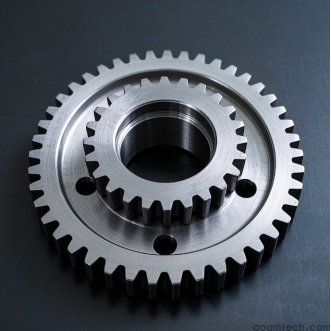 Process of Custom High-Precisi
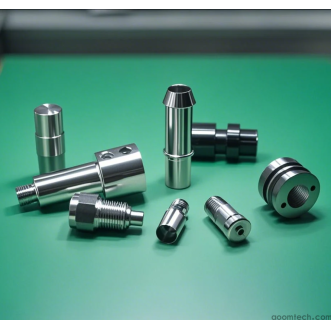 CNC Machining Parameter Settin
 5 Key Tips for CNC Machining o
 Small-batch Precision Parts 5-