


What materials are commonly used for CNC machining of medical device parts
Material selection is one of the most important steps in the manufacturing of medical device components. In CNC machining, the material directly affects safety, performance, durability, and patient compatibility. Medical parts must meet strict requirements such as biocompatibility, sterilization resistance, and strong mechanical performance under real clinical conditions.
This article explains the most commonly used materials for medical CNC machining and why they are chosen in the healthcare industry.
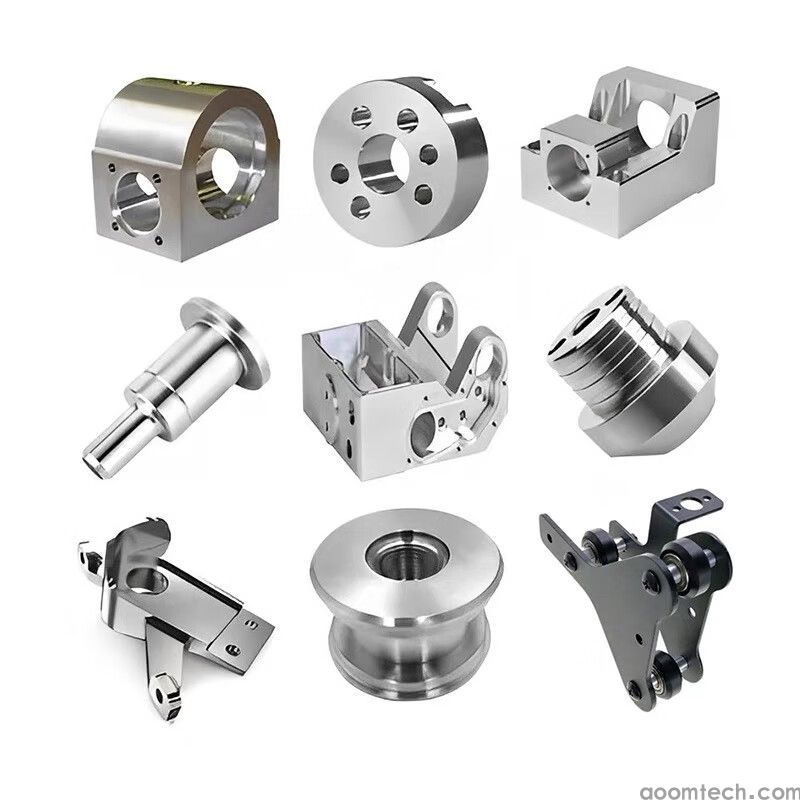
Importance of Material Selection in Medical CNC Machining
Medical devices often come into direct contact with the human body. Because of this, materials must follow international standards such as ISO 10993 (biocompatibility testing) and other regulatory requirements from agencies like the FDA or CE marking systems.
Good material selection helps ensure:
Safety for patients and medical staff
Resistance to corrosion and sterilization processes
Long service life and mechanical reliability
Precise machining performance for complex parts
Biocompatible Metals for Medical Device CNC Machining
Stainless Steel (especially 316L)
Stainless steel is one of the most widely used materials in medical manufacturing. The grade 316L stainless steel is especially popular because of its excellent corrosion resistance and good strength.
It is commonly used in surgical instruments, orthopedic tools, and some implant components.
Advantages:
High corrosion resistance in body fluids
Strong and durable under repeated use
Cost-effective compared to other medical metals
Machining characteristics: Stainless steel is relatively tough and can cause tool wear during CNC machining. Proper cutting tools (like carbide tools) and controlled cutting speeds are important to achieve good surface finish and accuracy.
Long-tail keyword: biocompatible metals for medical device CNC machining
Titanium and Titanium Alloys
Titanium is widely used in high-performance medical applications, especially for implants such as bone screws, hip joints, and dental implants. It offers an excellent balance of strength and weight.
Advantages:
Excellent biocompatibility with human tissue
Very high strength-to-weight ratio
Outstanding corrosion resistance
Machining characteristics: Titanium is difficult to machine because it has low thermal conductivity. Heat stays in the cutting zone, which can cause tool wear and deformation if not controlled. CNC machining requires optimized speeds, sharp tools, and effective cooling systems.
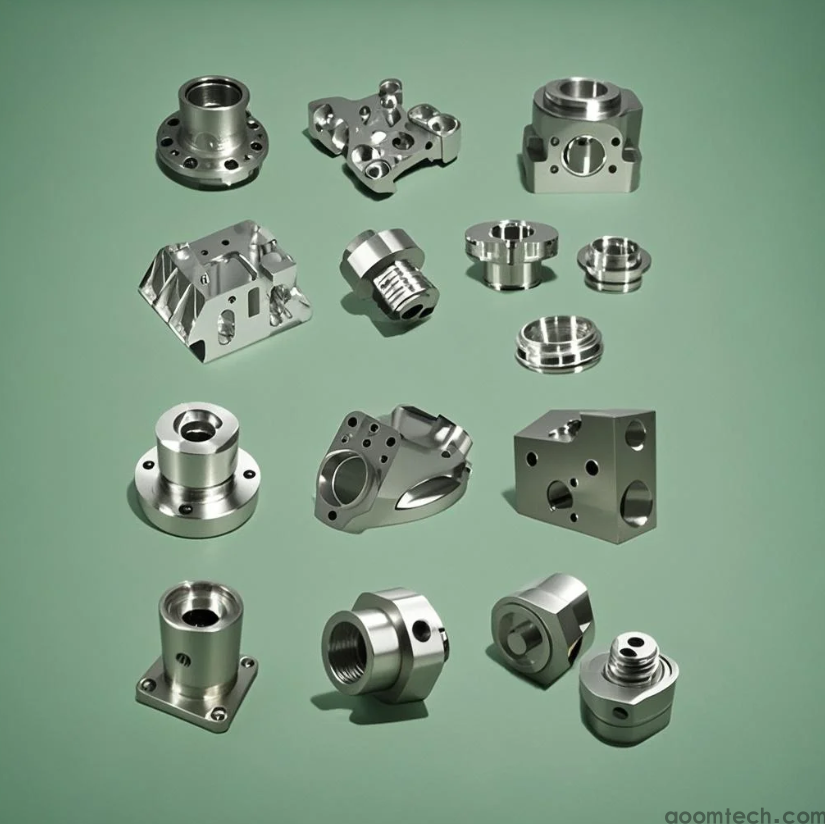
Ceramics in Medical Device Part CNC Machining
Advanced ceramics such as alumina and zirconia are used in medical applications where extreme wear resistance and stability are needed.
They are commonly found in dental implants, joint replacements, and precision surgical components.
Advantages:
Extremely hard and wear-resistant
High biocompatibility
Stable in chemical and biological environments
Machining challenges: Ceramics are very brittle. Instead of traditional cutting, CNC machining often requires diamond tools or grinding processes. Even small cracks or vibrations can cause material failure.
Long-tail keyword: ceramics in medical device part CNC machining
Polymers Used in CNC-Machined Medical Devices
Polymers play an important role in medical devices because they are lightweight, chemically stable, and cost-efficient. Common medical-grade polymers include polyethylene (PE), polypropylene (PP), and PEEK (polyether ether ketone).
Advantages:
Lightweight and flexible design options
Good chemical and sterilization resistance
Easy to machine with CNC processes
Applications: These materials are widely used in disposable syringes, catheter components, surgical guides, and non-implantable device parts.
Machining characteristics: Polymers are generally easier to machine than metals. However, heat control is still important to prevent melting or deformation during CNC operations.
Long-tail keyword: polymers used in CNC-machined medical devices
Conclusion
Understanding What materials are commonly used for CNC machining of medical device parts is essential for engineers, manufacturers, and medical product designers. Each material—metals, ceramics, and polymers—offers unique benefits and challenges depending on the medical application.
Stainless steel provides strength and affordability, titanium delivers superior biocompatibility, ceramics offer extreme wear resistance, and polymers provide flexibility and cost efficiency. Choosing the right material ensures safe, reliable, and high-performance medical devices.
Final Note: Successful medical CNC machining depends not only on material choice but also on precision engineering, proper tooling, and strict compliance with global medical standards.
 Process of Custom High-Precisi
 CNC Machining Parameter Settin
 5 Key Tips for CNC Machining o
 Small-batch Precision Parts 5-