


CNC Machining Process for Aerospace Parts
The CNC Machining Process for Aerospace Parts is one of the most advanced and precise manufacturing methods used in modern engineering. Aerospace components must perform safely under extreme conditions such as high temperature, strong pressure, vibration, and long service life. Because of this, the machining process must meet very strict quality and accuracy standards.
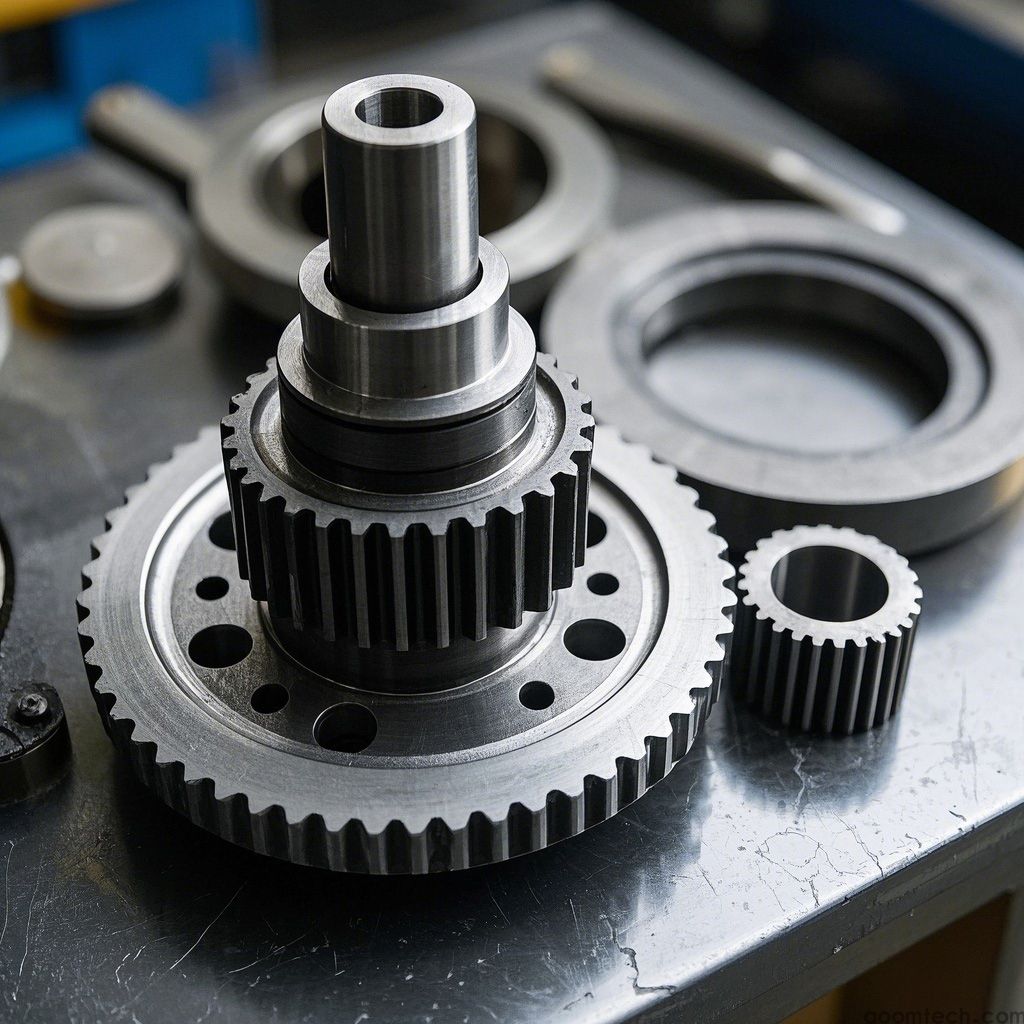
1. Strict Requirements of Aerospace Parts
Aerospace parts are very different from normal industrial components. They must follow extremely tight engineering requirements:
High precision: Typical tolerances are around ±0.01mm to ±0.05mm.
High strength-to-weight ratio: Parts must be strong but also as light as possible to reduce fuel consumption.
Extreme environment resistance: Components must withstand high heat, pressure changes, and corrosion.
High reliability: Even a small defect can lead to serious safety risks.
Because of these demands, aerospace manufacturing requires advanced machines, skilled programming, and careful quality control at every step.
2. Common Materials in Aerospace CNC Machining
Material selection plays a very important role in aerospace production. Different materials affect cutting speed, tool wear, and machining strategy. This is a key part of material-based machining for aerospace parts.
Titanium Alloys
Titanium is widely used because it is strong, lightweight, and corrosion-resistant. However, it has low thermal conductivity, which means heat stays in the cutting zone. This increases tool wear and requires slower cutting speeds and strong cooling systems.
Nickel-Based Superalloys
These materials are used in turbine engines because they can resist very high temperatures. Their hardness and heat resistance make them difficult to machine, requiring rigid tools and optimized cutting parameters.
Carbon-Fiber Composites
Carbon-fiber materials are very light and strong. However, they can easily split or fray during machining, so special cutting tools and controlled feed rates are required to avoid damage.
3. CNC Machining Processes for Aerospace Parts
Multi-Axis Milling
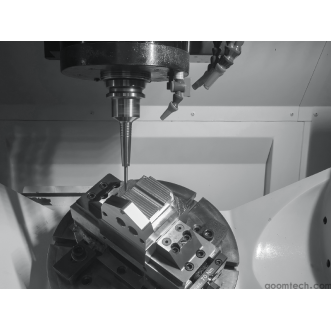
Complex components like turbine blades and structural frames often require multi-axis milling in aerospace part CNC machining. 5-axis machines allow cutting from multiple directions in a single setup, improving accuracy and reducing repositioning errors.
Turning Operations
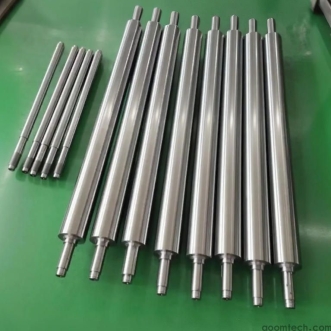
Turning is used for cylindrical parts such as shafts, pins, and engine components. High-speed CNC lathes ensure smooth surface finish and dimensional accuracy.
Drilling and Boring
Drilling is used to create precise holes, while boring improves hole accuracy and surface finish. These processes are critical for assembly alignment and fastening systems.
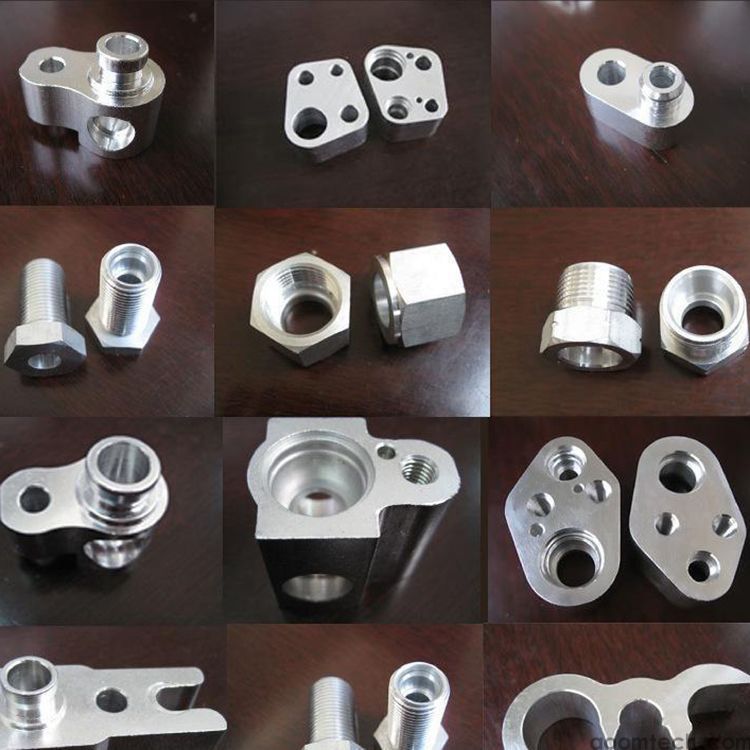
4. Machine Setup and Tool Selection
Proper machine setup is essential for high-quality aerospace machining.
Machine calibration: CNC machines must be regularly checked for accuracy and alignment.
Workholding fixtures: Strong and stable fixtures are used to prevent vibration during machining.
Cutting tools: Carbide-tipped tools are commonly used for hard materials, while ceramic tools may be used for high-temperature alloys.
Cutting parameters: Speed, feed rate, and depth of cut must be carefully optimized to balance efficiency and tool life.
Incorrect setup can lead to tool damage, poor surface quality, or dimensional errors.
5. Programming Techniques for Aerospace Parts
Modern aerospace manufacturing depends heavily on advanced CAD/CAM systems. Programming for aerospace part CNC accuracy is critical to ensure precision and safety.
Engineers use CAD software to design the part and CAM software to generate tool paths. These tool paths must consider:
Complex geometries of aerospace components
Tight tolerance requirements
Tool accessibility and movement limits
Simulation tools are also used to detect potential problems such as tool collisions, over-cutting, or inefficient tool movement before actual machining begins. This helps reduce production risk and cost.
6. Post-Machining Treatments
After machining, aerospace parts often require additional treatments to improve performance and durability. These are known as post-machining treatments in aerospace part CNC production.
Heat Treatment
Heat treatment improves material strength, hardness, and fatigue resistance. It also helps relieve internal stresses created during machining.
Surface Finishing
Processes like polishing, anodizing, and coating improve corrosion resistance and surface quality.
Shot Peening
Shot peening is used to increase fatigue strength by creating compressive stress on the surface. This helps aerospace parts last longer under repeated stress cycles.
7. Conclusion
The CNC Machining Process for Aerospace Parts is a highly advanced manufacturing system that combines precision engineering, specialized materials, and modern digital programming. Every stage—from material selection to final surface treatment—must be carefully controlled to meet strict aerospace standards.
By using advanced machining methods such as multi-axis systems, optimized cutting strategies, and precise CAD/CAM programming, manufacturers can produce reliable, high-performance aerospace components that ensure safety and efficiency in aviation systems worldwide.
 Process of Custom High-Precisi
 CNC Machining Parameter Settin
 5 Key Tips for CNC Machining o
 Small-batch Precision Parts 5-