


10 Tips to Reduce CNC Machining Costs
CNC machining is widely used to produce precise mechanical parts for industries such as automotive, aerospace, robotics, and electronics. However, machining costs can significantly affect overall product profitability. Even small improvements in design, materials, or production strategy can lead to meaningful savings.
This article explains 10 Tips to Reduce CNC Machining Costs in a practical and simple way. These methods help engineers, designers, and buyers make better decisions while maintaining part quality and performance.
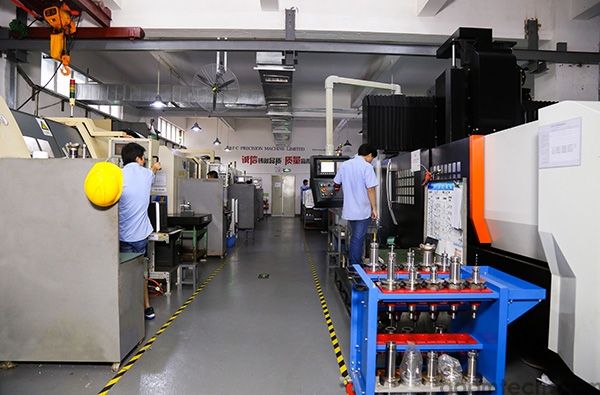
1. Optimize Material Selection
Choosing the right material is one of the most effective ways to reduce cost. Materials vary greatly in price, machinability, and availability. For example, aluminum is usually cheaper and faster to machine than stainless steel or titanium.
When possible, consider alternative grades that still meet performance requirements. For instance, replacing a high-grade alloy with a standard engineering alloy can reduce both material and machining time.
Material selection for reducing CNC machining costs should always balance strength, weight, corrosion resistance, and machinability. Common cost-effective materials include aluminum alloys (6061, 7075), mild steel, and ABS plastics.
2. Efficient Design for Machining
Good design can significantly reduce machining time and complexity. Avoid unnecessary deep cavities, sharp internal corners, and overly tight tolerances unless required.
Using standard hole sizes, simple geometries, and consistent wall thickness helps reduce tool changes and machining passes. For example, replacing a complex curved pocket with a simpler stepped structure can save both time and tooling cost.
Design for manufacturability (DFM) is a key principle for lowering CNC costs.
3. Choose the Right Machining Process
Different machining processes have different cost structures. Milling is versatile but may be slower for round parts, while turning is more efficient for cylindrical components.
Electrical Discharge Machining (EDM) is useful for hard or complex materials but is generally more expensive and slower. Selecting the right process based on part geometry helps avoid unnecessary expenses.
4. Optimize Tooling
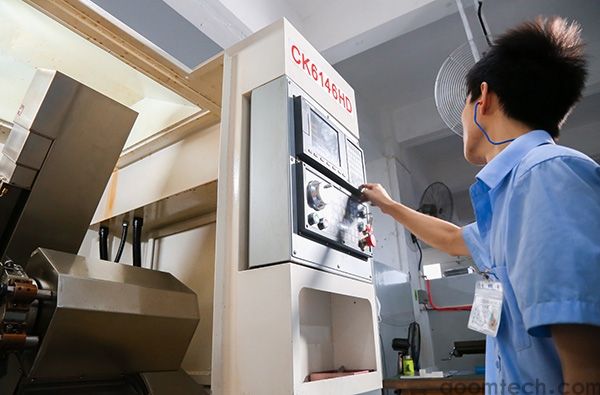
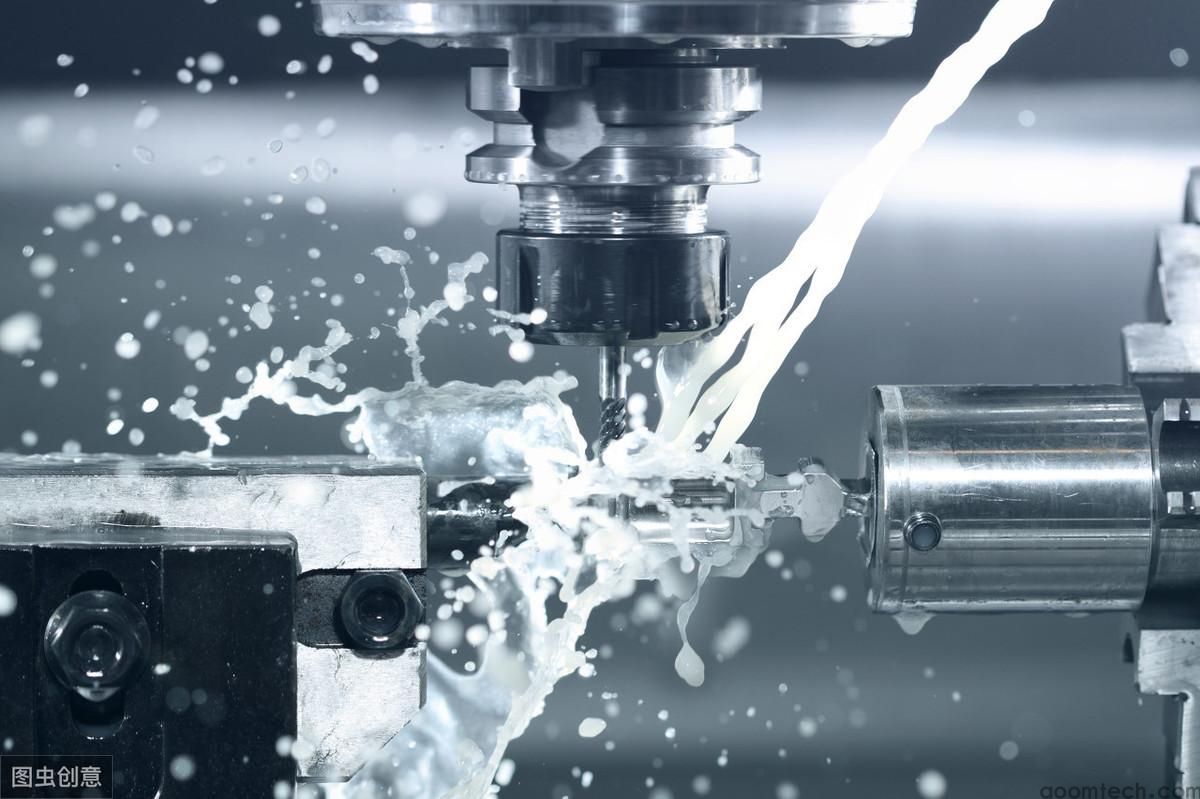
Cutting tools directly affect machining cost and efficiency. High-quality tools may cost more initially but often last longer and reduce total cost per part.
Tool coatings such as TiN or TiAlN improve wear resistance and reduce tool replacement frequency. Proper tool maintenance, such as regular inspection and correct storage, also extends tool life.
Reducing tool wear improves consistency and lowers downtime.
5. Improve Programming Efficiency
Efficient CNC programming reduces machine time and improves productivity. Optimized tool paths help minimize idle movement and unnecessary cutting operations.
Using CAD/CAM software effectively allows engineers to simulate machining and identify inefficiencies before production begins.
Programming for cost-effective CNC machining includes selecting proper feed rates, spindle speeds, and cutting strategies such as high-efficiency milling or adaptive tool paths.
6. Consider Batch Production
Batch production reduces per-unit cost by spreading setup time across multiple parts. Machine setup, calibration, and tool loading only need to be done once for a larger quantity.
However, batch size should be balanced with storage capacity and demand forecasting.
Batch production and CNC machining cost reduction is especially effective for standardized or repeatable parts.
7. Outsource Wisely
Outsourcing CNC machining can reduce cost by leveraging specialized suppliers with advanced equipment and lower labor costs.
However, risks include quality variation and communication delays. It is important to choose suppliers with proven experience, certifications (such as ISO 9001), and strong quality control systems.
A good outsourcing partner can significantly reduce total production cost while maintaining consistent quality.
8. Regular Machine Maintenance
Well-maintained CNC machines operate more efficiently and reduce unexpected breakdowns. Downtime is often one of the hidden major costs in manufacturing.
Basic maintenance checklist:
Lubricate moving parts regularly
Check spindle condition and alignment
Clean chips and coolant systems
Inspect tool holders and fixtures
Calibrate machine accuracy periodically
Preventive maintenance is always cheaper than emergency repairs.
9. Train Operators
Skilled CNC operators can significantly improve efficiency and reduce waste. Proper training helps reduce setup errors, improve tool handling, and optimize machining strategies.
Training programs may include CAD/CAM software operation, machine calibration, and advanced cutting techniques.
Experienced operators are a key factor in improving productivity and reducing overall machining costs.
10. Analyze and Monitor Costs
Continuous cost tracking helps identify inefficiencies and opportunities for improvement. Without measurement, it is difficult to control expenses.
A simple cost-per-part formula can be used:
Cost per part = (Material cost + Machine time cost + Tooling cost + Labor cost) ÷ Number of parts
By monitoring trends, manufacturers can identify cost drivers such as excessive machining time, tool wear, or material waste.
Regular cost analysis supports smarter decision-making and long-term savings.
Conclusion
Reducing CNC machining costs is not about cutting corners—it is about improving efficiency, design, and production strategy. By applying these 10 Tips to Reduce CNC Machining Costs, companies can maintain high quality while improving profitability.
Key strategies such as material selection for reducing CNC machining costs, better design practices, and programming for cost-effective CNC machining can make a significant difference. Combined with smart production planning and continuous monitoring, these methods lead to long-term manufacturing success.
For further reference, industry best practices are commonly supported by manufacturing standards such as ISO 9001 quality management systems and widely accepted Design for Manufacturability (DFM) principles used across CNC machining industries.
 Process of Custom High-Precisi
 CNC Machining Parameter Settin
 5 Key Tips for CNC Machining o
 Small-batch Precision Parts 5-