


CNC Machining Suppliers for Consumer Electronics Industry Parts
Introduction to CNC Machining Suppliers for Consumer Electronics
In today’s fast-moving digital world, consumer electronics such as smartphones, laptops, tablets, smartwatches, and earbuds require extremely precise and reliable components. This is where CNC Machining Suppliers for Consumer Electronics Industry Parts play an important role. They help turn engineering designs into high-accuracy physical parts that fit perfectly inside modern compact devices.
The Significance of CNC Machining in Consumer Electronics
CNC (Computer Numerical Control) machining is widely used in the consumer electronics industry because it can produce complex, high-precision parts with excellent repeatability. These parts are critical for both performance and design.
For example, precision-machined aluminum casings are used in smartphones and laptops to protect internal components while also giving a premium look and feel. Tiny connectors and brackets ensure stable electrical connections and structural stability inside compact devices. Heat sinks made by CNC machining help control device temperature, improving performance and durability.
Without CNC machining, modern electronics would not achieve the same level of miniaturization, reliability, and aesthetic quality.
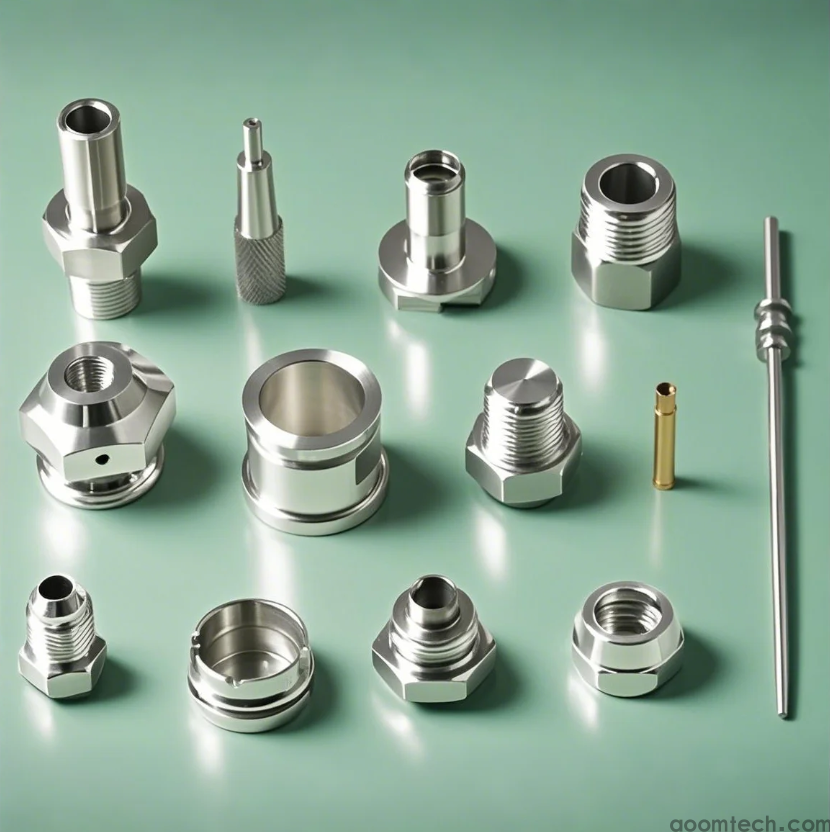
Key Attributes of Ideal CNC Machining Suppliers
Technical Proficiency
One of the most important factors when evaluating suppliers is the technical proficiency of CNC suppliers for consumer electronics. Consumer electronics parts often require extremely tight tolerances, sometimes within a few tenths of a millimeter or even tighter for critical assemblies.
A reliable supplier should have strong expertise in:
High-speed CNC milling for fine and detailed geometries
CNC turning for cylindrical and symmetrical parts
Micro-machining for small electronic components
Advanced materials such as aluminum, magnesium alloys, stainless steel, and engineering plastics
To evaluate technical capability, companies can request sample parts, review past projects, and check whether the supplier has experience producing components similar to smartphone frames, laptop housings, or wearable device parts.
Quality Assurance
Quality is critical in electronics manufacturing. Even a small defect can affect device performance or lead to product failure. A professional CNC supplier should have a strong quality management system, preferably certified under ISO 9001.
A reliable quality system typically includes:
Incoming material inspection
In-process inspection during machining stages
Final inspection before shipment
Use of precision instruments such as CMM (Coordinate Measuring Machine), optical comparators, and profilometers
Non-conforming parts should be properly documented, analyzed, and corrected to prevent recurrence. This ensures consistency and reliability in mass production.
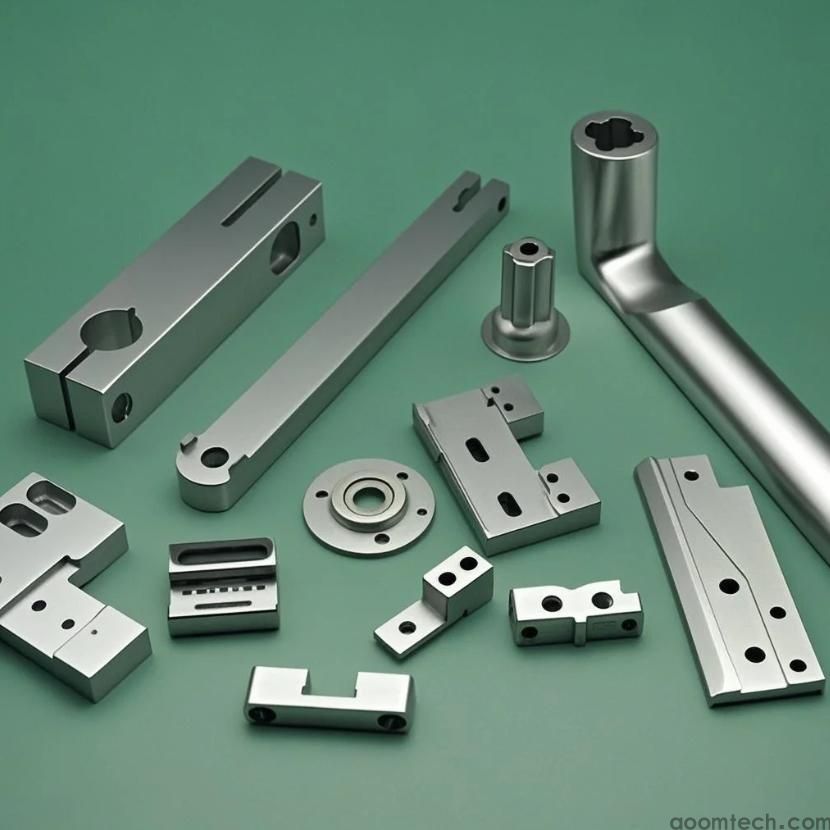
Production Capacity and Flexibility
Consumer electronics markets are highly dynamic, with frequent design updates and large production volumes. Therefore, suppliers must balance high production capacity with flexibility.
When evaluating a supplier, consider:
Maximum monthly production volume
Ability to handle both prototypes and mass production
Lead time for different order sizes
Ability to adapt quickly to design changes or urgent orders
A strong supplier should be able to scale production quickly without compromising quality.
Services Offered by CNC Machining Suppliers
Custom Machining
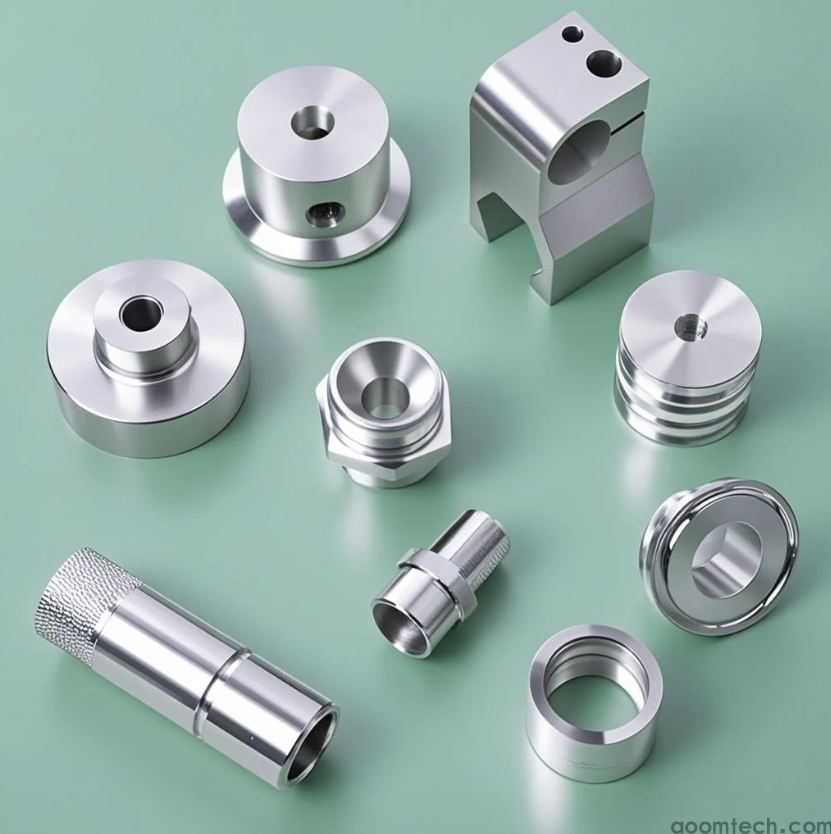
Custom machining is one of the core services of CNC machining providers for consumer electronics parts. Suppliers work closely with product designers to convert CAD drawings into finished components using CAM programming.
This service allows the production of highly customized parts such as:
Smartphone internal brackets
Custom battery housings
Precision heat sinks
Device structural frames
Custom machining ensures that each part meets exact design requirements in both function and appearance.
Prototyping Services
Prototyping is essential in the fast-paced electronics industry. Before mass production begins, companies must test and validate designs quickly.
CNC suppliers can produce prototypes in a short time using the same materials and processes as final production parts. This allows engineers to evaluate:
Fit and assembly accuracy
Mechanical strength
Thermal performance
Aesthetic design quality
Feedback from prototype testing is used to refine the final design, reducing risks and development costs.
Value-Added Services
Beyond machining, many suppliers offer additional services that improve product performance and appearance, including:
Anodizing for aluminum parts to improve corrosion resistance and appearance
Polishing and brushing for premium surface finishes
Heat treatment for improved mechanical strength
Assembly services for sub-components
For example, an anodized smartphone frame not only looks more attractive but also resists scratches and wear over time.
How to Choose the Right CNC Machining Supplier
Understand Your Requirements
Before selecting a supplier, it is important to clearly define your needs. This is a key step in choosing CNC suppliers for consumer electronics industry.
Ask yourself:
What type of part do I need (structural, decorative, electrical)?
What level of precision is required?
What is the expected production volume?
What is the target delivery timeline?
What are the cost constraints?
Evaluate Supplier Reputation
A supplier’s reputation is a strong indicator of reliability. Look for:
Customer reviews and testimonials
Case studies in consumer electronics manufacturing
Participation in industry exhibitions and trade shows
Long-term partnerships with known electronics brands
Suppliers with proven experience in smartphone, laptop, or wearable components are generally more reliable.
Cost-Effectiveness
While cost is important, it should not be the only decision factor. A low-cost supplier may compromise on quality or delivery speed.
A better approach is to evaluate total value, including:
Part quality and consistency
Production efficiency
After-sales support
Engineering assistance
Negotiation strategies can include bulk pricing, long-term contracts, or material optimization to reduce costs without reducing quality.
Case Studies of CNC Machining in Consumer Electronics
Case Study 1: Laptop Structural Components
A consumer electronics company needed high-precision aluminum structural parts for a new ultrathin laptop model. The challenge was maintaining tight tolerances while ensuring lightweight design and high strength.
The CNC supplier used advanced high-speed milling and strict CMM inspection processes to meet requirements. Despite a short production deadline, the supplier successfully delivered consistent parts with minimal deviation.
As a result, the client achieved improved assembly efficiency and reduced production delays, leading to a faster product launch.
Case Study 2: Smartwatch Components
In another project, a supplier produced complex titanium and aluminum parts for a new smartwatch design. The components required both aesthetic quality and mechanical durability in a very small form factor.
Through rapid prototyping, surface finishing, and precision machining, the supplier helped the client refine the design before mass production.
The final product achieved improved wear resistance, better visual appeal, and faster time-to-market compared to competitors.
Conclusion
Selecting the right CNC supplier is a critical decision for any consumer electronics company. From precision machining to prototyping and finishing, the supplier directly impacts product quality, cost efficiency, and market success.
By carefully evaluating technical capability, quality systems, production flexibility, and overall value, businesses can find reliable partners that support innovation and long-term growth in the fast-paced electronics industry.
In summary, understanding the strengths and capabilities of CNC Machining Suppliers for Consumer Electronics Industry Parts is essential for building high-performance, competitive electronic products in today’s global market.
 Process of Custom High-Precisi
 CNC Machining Parameter Settin
 5 Key Tips for CNC Machining o
 Small-batch Precision Parts 5-