


Precision CNC Machining Manufacturer
Introduction to Precision CNC Machining Manufacturer
A Precision CNC Machining Manufacturer is a company that uses advanced computer-controlled machines to produce highly accurate and complex mechanical parts. CNC stands for Computer Numerical Control, which means machines are guided by digital instructions instead of manual control.
These manufacturers play an important role in modern production because they deliver parts with very tight accuracy. Industries such as aerospace, automotive, medical, robotics, and electronics depend on them for components that must perform safely and reliably.
In simple terms, a Precision CNC Machining Manufacturer helps turn engineering designs into real, physical parts with very high accuracy and repeatability.
The Significance of Precision CNC Machining Manufacturers
The significance of precision CNC machining manufacturers lies in their ability to support modern engineering needs. Without them, many advanced technologies and machines would not function properly.
Meeting Stringent Industry Standards
Many industries require extremely strict tolerances. For example, aerospace and medical components must be manufactured with near-perfect accuracy to ensure safety and performance.
A turbine blade used in an aircraft engine is a good example. Even a tiny error in shape or size can affect engine efficiency or cause failure. A Precision CNC Machining Manufacturer uses advanced machines and inspection systems to ensure every blade meets exact specifications.
Enabling Complex Design Realization
Modern products often have complex shapes that cannot be made using traditional methods. CNC machining makes it possible to create these designs with high precision.
For example, in the electronics industry, a custom-designed device housing may include internal channels, screw holes, and micro-level cutouts. A Precision CNC Machining Manufacturer can produce these features accurately based on CAD models, ensuring perfect fit and function.
Operations of a Precision CNC Machining Manufacturer
The operations of a precision CNC machining manufacturer involve several carefully controlled stages, from design to final inspection.
Order and Design Handling
The process begins when a customer sends design files or specifications. Engineers review CAD models to ensure they can be manufactured efficiently. If needed, they suggest improvements to reduce cost or improve performance.
For example, a manufacturer may adjust wall thickness or simplify a geometry to make machining faster and more stable without affecting product function.
Material Procurement and Inspection
Materials such as aluminum, stainless steel, titanium, or engineering plastics are selected based on product requirements. Each material has unique properties that affect machining performance.
For instance, titanium is strong but difficult to machine due to its hardness. This requires special cutting tools and controlled machining speeds. All materials are inspected before production to ensure quality consistency.
CNC Programming and Machine Setup
Engineers convert CAD designs into CNC programs using CAM software. These programs define tool paths, speeds, and cutting depths.
Machines are then carefully set up with tools and fixtures. Proper setup is critical because even small errors can affect final accuracy.
Machining Processes
Milling
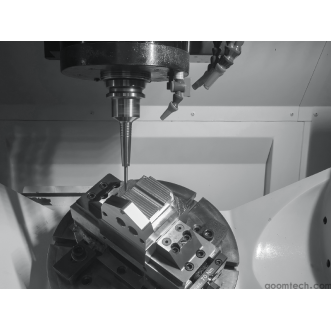
Milling is used to create flat surfaces, grooves, and complex 3D shapes. Cutting tools remove material layer by layer. Coolant is often used to reduce heat and improve surface quality.
Turning
Turning is used for cylindrical parts. The material rotates while a cutting tool shapes it. This process is common for shafts, pins, and threaded components.
Grinding
Grinding is used for final finishing. It achieves extremely smooth surfaces and very tight tolerances, often required in high-performance applications.
Quality Control and Inspection
Quality control ensures every part meets required specifications. Tools like Coordinate Measuring Machines (CMM), optical devices, and surface testers are used.
For example, if a CMM detects a small deviation in hole position, the production process is adjusted immediately to prevent further errors.
Benefits of Choosing a Precision CNC Machining Manufacturer
The benefits of choosing a precision CNC machining manufacturer are significant for companies that need high-quality parts.
High Precision and Consistent Quality
CNC machines produce parts with consistent accuracy, even in large production batches. This ensures every component performs the same way.
For example, medical device manufacturers rely on consistent CNC parts to ensure patient safety and device reliability.
Cost-Effectiveness for Medium to Large Production
Once programming and setup are complete, CNC machines can produce parts efficiently. This reduces cost per unit, especially for medium or large production volumes.
Automotive companies often use CNC manufacturing for engine parts to reduce costs while maintaining quality.
Technical Expertise and Support
Most manufacturers provide engineering support, helping customers improve designs and solve technical challenges.
For example, engineers may suggest design changes that reduce machining time and improve structural strength.
Challenges Faced by a Precision CNC Machining Manufacturer
The challenges faced by a precision CNC machining manufacturer can affect production efficiency and cost.
Advanced Equipment and Maintenance Costs
CNC machines are expensive and require regular maintenance. Calibration, tool replacement, and software updates all add to operational costs.
Manufacturers often balance these costs by optimizing machine usage and scheduling preventive maintenance.
Skilled Labor Shortage
Operating CNC machines requires skilled programmers, machinists, and inspectors. However, finding qualified workers can be difficult.
To solve this, many manufacturers invest in training programs and apprenticeships to develop internal talent.
Meeting Tight Deadlines and Cost Pressures
Customers often demand fast delivery while maintaining low cost and high precision. This creates production pressure.
Manufacturers manage this by improving workflow efficiency and using advanced planning systems.
How to Select a Precision CNC Machining Manufacturer
Knowing how to select a precision CNC machining manufacturer is important for achieving successful project outcomes.
Evaluate Experience and Reputation
Choose manufacturers with proven experience in your industry. Review case studies, customer feedback, and past projects.
For example, a company with aerospace experience is more likely to meet strict tolerance requirements.
Assess Equipment and Technology
Modern equipment such as 5-axis CNC machines improves precision and allows complex shapes to be produced efficiently.
Companies using outdated machines may struggle with complex or high-precision designs.
Review Quality Management System
A strong quality system ensures consistent production results. Certifications like ISO 9001 indicate structured quality control processes.
More information about ISO standards can be found here:
Conclusion: Partnering with the Right Precision CNC Machining Manufacturer
Choosing the right Precision CNC Machining Manufacturer is essential for achieving high-quality, reliable, and cost-effective components. These manufacturers play a key role in modern industries by transforming complex designs into precise physical parts.
Key takeaways include understanding their operations, recognizing their benefits, and being aware of potential challenges. Most importantly, selecting the right partner requires evaluating experience, technology, and quality systems.
By following these guidelines, businesses can build strong manufacturing partnerships and ensure long-term production success.
 Process of Custom High-Precisi
 CNC Machining Parameter Settin
 5 Key Tips for CNC Machining o
 Small-batch Precision Parts 5-