


Large-Scale CNC Machining Factory
A Large - Scale CNC Machining Factory plays an important role in today’s global manufacturing industry. It uses computer-controlled machines to produce large volumes of precise metal and plastic parts with high efficiency and consistency. These factories support key industries such as automotive, aerospace, energy, electronics, and construction by delivering reliable and accurate components.
This article explains the significance of large - scale CNC machining factories, their operations, benefits, challenges, and how to choose the right partner for your production needs.
Introduction to Large - Scale CNC Machining Factory
A Large - Scale CNC Machining Factory is a manufacturing facility equipped with many CNC (Computer Numerical Control) machines working together to produce parts in mass quantities. Unlike small workshops, these factories focus on high-volume production while maintaining tight tolerances and consistent quality.
They are especially important in industries where precision and scale must work together. From engine parts in vehicles to structural components in aircraft, these factories ensure modern products are built safely and efficiently.
Significance of Large - Scale CNC Machining Factories
Meeting High-volume Production Demands
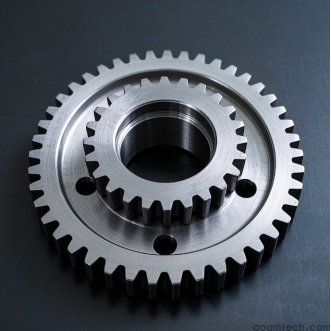
One of the main roles of a Large - Scale CNC Machining Factory is to meet high-volume production needs. For example, in the automotive industry, thousands of parts such as engine housings, gear components, and brackets must be produced daily.
A large factory can run multiple CNC machines at the same time, allowing continuous production. For instance, a car manufacturer may rely on a large-scale machining supplier to deliver consistent engine parts for assembly lines without interruption.
Ensuring Consistent Quality in Mass Production
Consistency is critical in industries like aerospace. A small variation in size or shape can affect safety and performance. CNC systems ensure that every part is made exactly the same based on digital instructions.
For example, aircraft structural parts such as wing spars must meet extremely strict tolerances. A Large - Scale CNC Machining Factory ensures that every piece in a production batch meets the same quality standards, reducing risk and improving reliability.
Operations in a Large - Scale CNC Machining Factory
Order Processing and Planning
The process begins when customer orders are received. These orders include technical drawings, material requirements, and production quantities. A planning team then schedules production based on machine availability, deadlines, and workload.
For example, when there is a sudden increase in demand for a vehicle component, the factory may reorganize production lines and run extra shifts to meet delivery timelines.
Material Procurement and Inventory Management
Materials such as aluminum, steel, and titanium are purchased in bulk to reduce cost and ensure supply stability. Proper storage and inventory control prevent shortages or waste.
Material quality is very important. Poor-quality steel, for example, may reduce the strength and durability of machined parts, leading to product failure. Therefore, careful supplier selection is essential.
CNC Programming and Machine Setup
Engineers use CAD (Computer-Aided Design) models to create CNC programs. These programs define tool paths, cutting speed, and machining depth.
In a Large - Scale CNC Machining Factory, multiple machines may be programmed and set up at the same time. For complex parts, simulation tools are often used to test the process before actual production begins, reducing errors and waste.
Machining and Quality Control
Machining Operations
Common machining processes include milling, turning, drilling, and grinding. These operations are repeated at scale across hundreds or thousands of parts. Tool wear and material differences are carefully managed to maintain accuracy during long production runs.
Quality Control
Quality inspection is carried out at different stages. In large-scale production, sampling inspection is often used, where selected parts are checked for size accuracy, surface finish, and defects.
For example, if a quality issue is found in one batch, the factory may stop production, adjust machine settings, and recheck earlier outputs to ensure consistency.
Benefits of Large - Scale CNC Machining Factories
Cost-effectiveness for High-volume Production
The benefits of large - scale CNC machining factories include reduced cost per part. When production volume increases, the cost of setup, labor, and machine usage is distributed across more units, lowering overall pricing.
For example, a consumer electronics company can significantly reduce production costs by outsourcing casing production to a large CNC factory instead of producing in-house.
Advanced Equipment and Technology
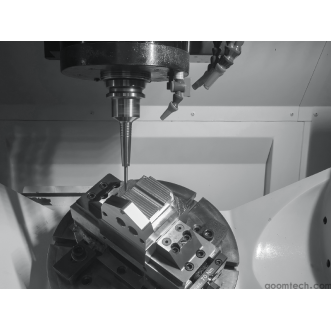
These factories often use advanced machines such as 5-axis CNC systems, automated loading robots, and real-time monitoring software. This technology improves speed, precision, and productivity.
For instance, 5-axis machining allows complex shapes to be produced in a single setup, reducing errors and saving time.
Skilled Workforce and Technical Expertise
A Large - Scale CNC Machining Factory employs skilled engineers, machine operators, and quality inspectors. Their combined expertise ensures smooth production and problem-solving during complex projects.
For example, when facing a difficult machining challenge with a complex aerospace bracket, experienced engineers can adjust tool paths and machining strategies to achieve the required precision.
Challenges Faced by Large - Scale CNC Machining Factories
Equipment Maintenance and Downtime
With many machines operating continuously, maintenance becomes a major challenge. Unexpected breakdowns can stop production and delay deliveries.
For example, if a CNC spindle fails during peak production, it may delay an entire batch. Factories usually solve this by using preventive maintenance systems and keeping backup machines ready.
Meeting Tight Deadlines in High-volume Production
Customers often require fast delivery for large orders. Coordinating materials, machines, and workforce under strict timelines can be difficult.
Factories may need to increase working shifts or optimize production schedules to meet urgent deadlines without affecting quality.
Managing Workforce and Labor Costs
Managing a large team is complex. Training, communication, and motivation are important for maintaining productivity. At the same time, labor costs must be controlled.
Some factories face high employee turnover, so they invest in training programs and improved working conditions to retain skilled workers.
How to Choose a Large - Scale CNC Machining Factory
Evaluate Experience and Reputation
When selecting a partner, experience matters. A factory with a strong track record in high-volume production is more likely to deliver reliable results.
Customer reviews, past projects, and industry reputation can help evaluate credibility. For example, companies often choose suppliers that have proven experience in automotive or aerospace production.
Assess Equipment and Capacity
Check whether the factory has enough machines and modern equipment to handle your order size. Capacity is especially important for long-term or growing projects.
A good factory should also be able to scale production quickly if demand increases.
Review Quality Management System
A strong quality system ensures consistent results. Look for certifications such as ISO 9001 and ask about inspection methods and testing procedures.
Factories with strict quality systems help reduce defects and improve product reliability, especially in industries like aerospace and medical equipment.
Conclusion: Partnering with the Right Large - Scale CNC Machining Factory
A Large - Scale CNC Machining Factory is essential for modern mass production. It combines advanced technology, skilled labor, and efficient systems to deliver high-quality parts at scale.
Understanding the operations in a large - scale CNC machining factory, along with its benefits and challenges, helps businesses make better sourcing decisions.
When choosing a partner, always consider experience, equipment capacity, and quality control systems. The right factory can improve efficiency, reduce cost, and ensure long-term production success.
By following these guidelines, manufacturers and engineers can confidently select a reliable machining partner for their high-volume production needs.
 Process of Custom High-Precisi
 CNC Machining Parameter Settin
 5 Key Tips for CNC Machining o
 Small-batch Precision Parts 5-