


Professional CNC Machining Manufacturer
Introduction to Professional CNC Machining Manufacturer
In modern manufacturing, a Professional CNC Machining Manufacturer plays an important role in producing high-precision parts for many industries. CNC stands for Computer Numerical Control, a technology that uses computer programming to control machines for cutting, shaping, and finishing materials with very high accuracy.
A professional CNC machining manufacturer is not just a factory with machines. It is a complete solution provider that combines engineering knowledge, advanced equipment, and strict quality control to deliver reliable parts. These manufacturers support industries such as aerospace, automotive, medical devices, electronics, robotics, and industrial equipment.
In this article, we will explain the significance of professional CNC machining manufacturers, their services, benefits, challenges, and how to choose the right partner for your project.
Significance of Professional CNC Machining Manufacturers
Meeting High-standard Industry Requirements
Many industries require extremely precise and reliable components. For example, aerospace and medical industries demand parts with very tight tolerances where even a small error can cause serious problems.
A professional CNC machining manufacturer can achieve accuracy at the micron level. For instance, in aerospace engineering, turbine blades inside jet engines must be manufactured with perfect balance and precision. If the shape or weight is slightly incorrect, it can affect engine efficiency, fuel consumption, and safety. Professional CNC machining ensures these parts meet strict international standards and perform reliably under extreme conditions.
Enabling Complex Design Implementation
Modern products often require complex shapes that cannot be made using traditional manufacturing methods. A professional CNC machining manufacturer uses multi-axis CNC machines to create detailed and complex structures with high precision.
For example, in the electronics industry, a custom device housing may require internal channels for cooling, precise mounting points for circuit boards, and external design features for aesthetics and usability. CNC machining makes it possible to produce these complex designs exactly as engineered in CAD software, ensuring both function and appearance are achieved.
Services Offered by Professional CNC Machining Manufacturers
Custom Part Machining
One of the key services provided is custom part production. A services offered by professional CNC machining manufacturers includes turning customer ideas into real components using CAD (Computer-Aided Design) and CAM (Computer-Aided Manufacturing) systems.
For example, a company developing a specialized industrial machine may require a unique shaft or connector that is not available in the market. The CNC manufacturer works closely with the client, analyzes design requirements, selects suitable materials, and produces a custom-made part that meets exact specifications. This process is essential for both prototypes and mass production.
Material Selection and Procurement
Material choice directly affects the strength, durability, and performance of a machined part. Professional CNC machining manufacturers provide guidance on selecting the right materials such as aluminum, stainless steel, titanium, brass, and engineering plastics.
For example, aluminum is often chosen for lightweight applications, while stainless steel is used for parts requiring corrosion resistance and strength. Titanium is preferred in aerospace and medical applications due to its high strength-to-weight ratio. The manufacturer also ensures raw materials are sourced from trusted suppliers to maintain quality and consistency throughout production.
Quality Control and Inspection
Quality assurance is a core part of CNC machining services. Manufacturers use advanced inspection tools such as Coordinate Measuring Machines (CMM), optical comparators, and surface roughness testers.
For example, if a machined automotive part shows even a slight deviation in dimension, the CMM can detect it immediately. The manufacturer then adjusts machining parameters or tooling to correct the issue. This strict inspection process ensures every part meets design specifications and industry standards before delivery.
Benefits of Hiring a Professional CNC Machining Manufacturer
High-precision and Consistent Quality
One of the biggest benefits of hiring a professional CNC machining manufacturer is consistent quality. CNC machines operate based on digital instructions, which reduces human error and ensures repeatable accuracy.
For example, in the medical industry, surgical instruments and implant components must be produced with exact precision. A professional CNC manufacturer ensures every batch of products maintains the same quality level, which is critical for patient safety and device performance.
Cost-effectiveness for Medium-to-Large Batches
While CNC machining may seem expensive for small production runs, it becomes highly cost-effective for medium and large-scale manufacturing. Once programming and setup are completed, machines can produce large quantities efficiently.
For example, an automotive company producing engine components can significantly reduce per-unit cost by partnering with a CNC machining manufacturer. Automation reduces labor costs and improves production speed without sacrificing quality.
Technical Expertise and Support
Professional CNC machining manufacturers employ skilled engineers and technicians who provide technical support throughout the project lifecycle. This includes design optimization, material advice, and manufacturing solutions.
For example, if a client has a complex part design that is difficult to machine, the manufacturer may suggest design modifications to improve manufacturability while reducing cost and production time. This expertise helps customers avoid design errors and production delays.
Challenges Faced by Professional CNC Machining Manufacturers
Advanced Equipment and Maintenance Costs
CNC machines are highly advanced and expensive. Maintaining them requires regular calibration, software updates, and skilled technicians. These maintenance activities can significantly increase operating costs.
For example, a high-precision 5-axis CNC machine requires routine inspection to ensure accuracy. Manufacturers must invest in maintenance systems and preventive strategies to reduce downtime and maintain production efficiency.
Skilled Labor Shortage
Another major challenge is the shortage of skilled CNC programmers, machinists, and quality inspectors. The industry requires workers who understand both mechanical engineering and digital programming.
To solve this, many manufacturers invest in internal training programs and partnerships with technical schools. This helps develop talent and maintain a skilled workforce capable of handling complex machining tasks.
Meeting Tight Deadlines and Cost Pressures
Customers often demand fast delivery while keeping costs low. At the same time, high-precision machining requires careful setup and time-consuming processes.
Manufacturers must balance speed, cost, and quality. Many adopt lean manufacturing methods and automated production scheduling systems to meet deadlines without compromising precision.
How to Select a Professional CNC Machining Manufacturer
Evaluate Experience and Reputation
When learning how to select a professional CNC machining manufacturer, experience is one of the most important factors. Manufacturers with a long history in the industry are more likely to deliver reliable results.
Check customer reviews, case studies, and previous projects. For example, a manufacturer with experience in aerospace components is more likely to handle high-precision requirements for similar industries.
Assess Equipment and Technology
Modern CNC equipment is essential for high-quality machining. Look for manufacturers that use advanced multi-axis machines, automated systems, and updated CAD/CAM software.
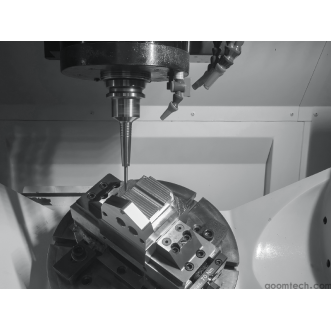
For example, a 5-axis CNC machine can produce complex geometries in a single setup, improving accuracy and reducing production time. Choosing a manufacturer with advanced technology ensures better performance and flexibility.
Review Quality Management System
A strong quality management system ensures consistent product quality. Look for certifications such as ISO 9001, which shows the manufacturer follows international quality standards.
A well-structured quality system includes inspection procedures, documentation, traceability, and continuous improvement processes. This helps reduce defects and ensures reliable delivery of machined parts.
Conclusion: Partnering with the Right Professional CNC Machining Manufacturer
A Professional CNC Machining Manufacturer is a key partner in modern product development and industrial production. They provide precision machining services, material expertise, quality assurance, and technical support across many industries.
In summary, understanding the significance of professional CNC machining manufacturers, their services, benefits, challenges, and selection criteria helps businesses make better decisions when choosing a manufacturing partner.
By carefully evaluating experience, equipment, and quality systems, companies can find a reliable partner that ensures product accuracy, efficiency, and long-term success. If you are planning a project that requires precision parts, start by reviewing potential manufacturers using these guidelines to ensure the best results.
 Process of Custom High-Precisi
 CNC Machining Parameter Settin
 5 Key Tips for CNC Machining o
 Small-batch Precision Parts 5-