


Professional CNC Turning Services
Introduction to Professional CNC Turning Services
What is CNC Turning?
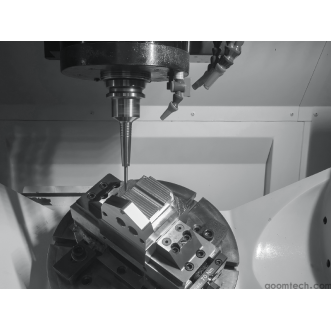
Professional CNC Turning Services refer to precision machining processes where a computer-controlled lathe rotates a workpiece while a cutting tool removes material to create cylindrical shapes. CNC stands for Computer Numerical Control, meaning the entire process is controlled by programmed instructions.
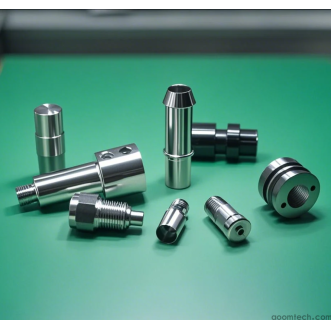
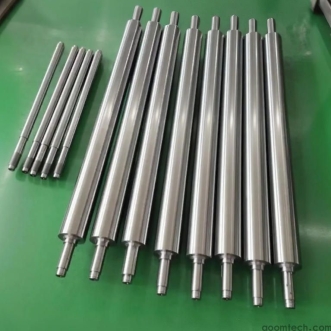
This method is widely used in industries such as automotive, aerospace, medical devices, and general machinery manufacturing. Common parts produced through CNC turning include shafts, bushings, bolts, pins, and custom cylindrical components used in engines and industrial equipment.
Benefits of Professional CNC Turning Services
High Precision
One of the key benefits of professional CNC turning is extremely high precision. CNC machines follow digital instructions with great accuracy, often achieving tolerances within a few microns.
This level of precision is essential for parts that must fit perfectly together, such as engine components or aerospace fittings. Advanced control systems, servo motors, and precision measuring feedback systems help ensure consistent accuracy during machining.
Versatility
CNC turning is highly versatile. It can produce straight, tapered, and complex contoured cylindrical shapes. Multiple operations can be performed on a single machine, including facing, turning, threading, and grooving.
This flexibility allows manufacturers to produce a wide range of parts, from simple fasteners to highly customized medical components or specialized machine parts used in industrial systems.
Efficiency
Another major advantage of Professional CNC Turning Services is efficiency. Once the program is created, the machine can operate automatically with minimal human intervention.
This reduces setup time, increases production speed, and allows multiple machining operations to be completed in a single setup. Compared to manual turning, CNC turning significantly improves productivity and reduces production errors.
Process of Professional CNC Turning Services
Part Design and Programming
The process of professional CNC turning services begins with part design. Engineers use CAD (Computer-Aided Design) software to create a detailed 3D model of the part.
Next, CAM (Computer-Aided Manufacturing) software converts the model into machine code. This program defines tool paths, cutting speeds, feed rates, and machining sequences.
Design considerations include material selection, part geometry, wall thickness, and ease of machining to ensure efficient production.
Workpiece Setup and Tooling
In this step, the raw material is securely mounted onto the CNC lathe. The machine operator selects appropriate cutting tools based on material type and required finish.
Common tools include carbide inserts for hard materials and high-speed steel tools for general machining. Proper tool selection ensures longer tool life and better surface quality.
Machining Operations
CNC turning involves several key operations:
Facing: Creating a flat surface at the end of the workpiece.
Turning: Removing material from the outer diameter.
Threading: Producing screw-like threads for fasteners.
Grooving: Cutting recesses or channels into the part.
Each operation is precisely programmed with defined spindle speed, feed rate, and cutting depth to ensure accuracy and surface quality.
Quality Control
Quality control is a critical part of CNC turning. During production, in-process inspections are performed to ensure dimensions remain within tolerance.
Final inspection is carried out using precision instruments such as calipers, micrometers, and Coordinate Measuring Machines (CMMs). Parts that do not meet specifications are adjusted, reworked, or rejected based on strict quality standards.
Choosing a Professional CNC Turning Service Provider
Experience and Expertise
When choosing a CNC turning service provider, experience is very important. A provider with a strong track record is more likely to understand complex machining challenges and deliver reliable results.
Check how many years the company has been operating, what industries they serve, and whether they have experience producing similar parts. Skilled engineers and trained machine operators are also key indicators of quality.
Equipment and Technology
Modern equipment plays a major role in machining quality. Advanced CNC lathes with multi-axis capabilities, high-speed spindles, and automatic tool changers improve both precision and efficiency.
It is also important to evaluate the software systems used for programming and inspection, as modern technology ensures better consistency and faster production cycles.
Cost-effectiveness
Cost is an important factor, but it should not be the only consideration. A good provider offers a balance between price and quality.
Always request detailed quotations that include material costs, machining fees, and additional services. For long-term projects, negotiating volume discounts or partnership agreements can help reduce overall costs.
Case Studies of Professional CNC Turning Services
Case Study 1: Automotive Precision Shaft
A manufacturer required high-precision steel shafts for an automotive engine system. The parts needed tight tolerances and excellent surface finish.
The main challenge was maintaining accuracy during mass production. The CNC turning provider used advanced carbide tooling and real-time measurement systems to ensure consistency.
As a result, the project achieved high quality with minimal deviation, reduced production time by 20%, and stayed within budget.
Case Study 2: Medical Device Component
In another project, a medical company needed small, complex titanium components for surgical equipment.
The challenge was machining a difficult material while maintaining extremely fine tolerances. The provider optimized cutting parameters and used specialized tools designed for titanium machining.
The final result improved device performance and reliability, while also ensuring all parts met strict medical industry standards. The customer benefited from faster delivery and reduced production costs.
Conclusion
Professional CNC Turning Services play a vital role in modern manufacturing. They offer high precision, flexibility, and efficiency for producing cylindrical parts across many industries.
Understanding the process of professional CNC turning services helps businesses make better decisions when selecting a manufacturing partner. By focusing on experience, equipment, and cost-effectiveness, companies can ensure high-quality results.
Whether you are producing simple mechanical parts or complex engineered components, selecting the right provider and understanding the benefits of professional CNC turning can significantly improve product quality and overall production success.
 Process of Custom High-Precisi
 CNC Machining Parameter Settin
 5 Key Tips for CNC Machining o
 Small-batch Precision Parts 5-