
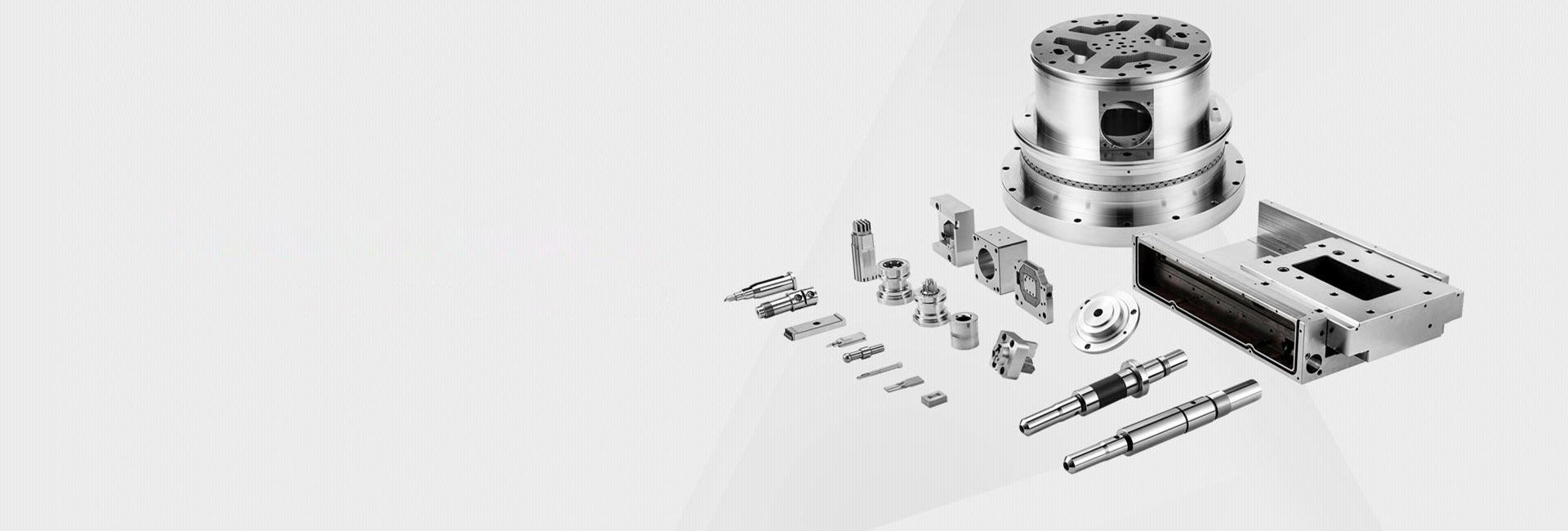
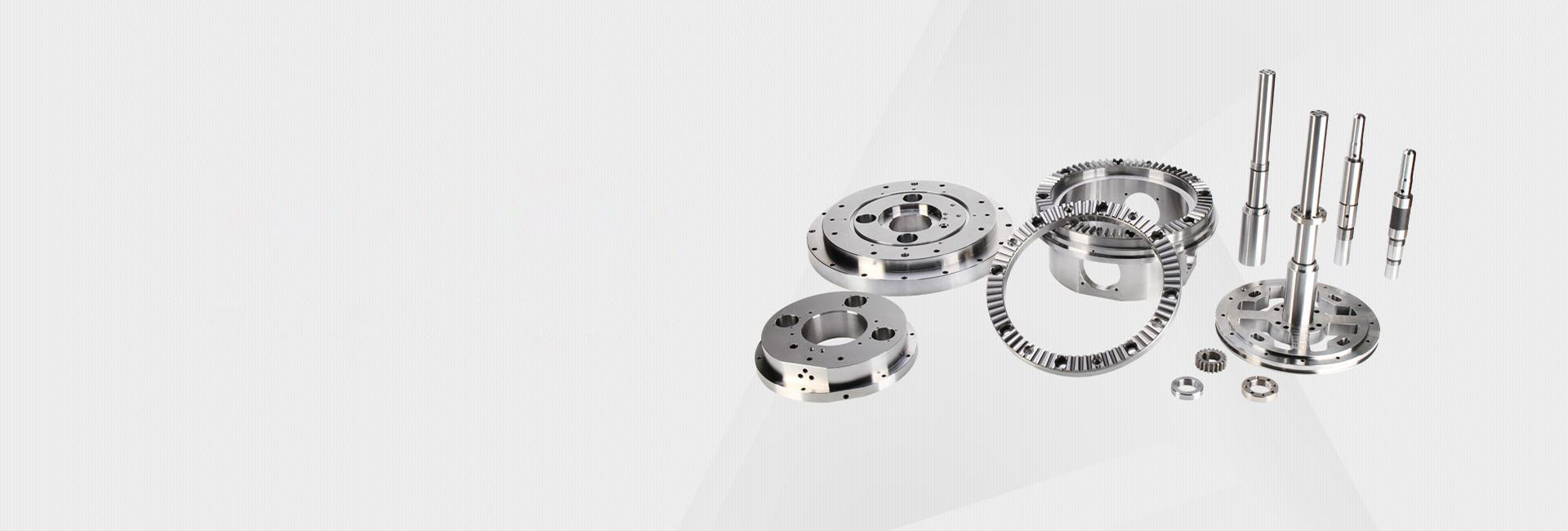
Which factory is the best for CNC machining of precision hardware parts
Choosing Which Factory is the Best for CNC Machining of Precision Hardware Parts is not about finding a single “perfect” supplier. Instead, it is about selecting the most suitable manufacturing partner based on your technical needs, budget, quality requirements, and delivery schedule.
Precision hardware parts are widely used in industries where accuracy and reliability are critical, such as aerospace, medical devices, robotics, automotive systems, and industrial automation. Even a small machining error can lead to serious consequences, including product failure, safety risks, or expensive recalls.
This article explains how to evaluate CNC machining factories in a practical way so you can make a confident and informed decision.
Importance of Selecting the Right Factory
Choosing the right CNC machining factory for precision hardware parts is essential because these components often serve as the “hidden core” of critical systems. If the factory lacks capability, the entire product chain can be affected.
For example, in the medical industry, poorly machined surgical components may lead to device malfunction during operations. In aerospace applications, even minor dimensional errors in structural hardware can compromise safety. In automotive systems, low-quality precision brackets or connectors may lead to vibration failure or system instability.
That is why the question Which Factory is the Best for CNC Machining of Precision Hardware Parts should always be replaced with: “Which factory is the most reliable and capable for my specific project?”
Key Factors to Consider When Choosing a CNC Machining Factory
1. Technical Expertise for Precision Hardware Part Machining Factories
Technical expertise is the foundation of high-quality CNC machining. A strong factory should demonstrate deep experience in producing precision hardware parts with tight tolerances, complex geometries, and high repeatability.
Important indicators of technical capability include:
Experience with materials such as stainless steel, aluminum, titanium, and engineering plastics
Ability to achieve tight tolerances, often within microns
Advanced CNC equipment such as 3-axis, 4-axis, and 5-axis machining centers
Strong engineering support for design optimization and manufacturability feedback
To evaluate a factory, request case studies of similar projects, review sample parts, and ask about the qualifications of their engineering and machining teams. A professional factory will always be transparent about its technical capabilities.
2. Quality Assurance in Precision Hardware CNC Factories
Quality control is one of the most important aspects when selecting a machining partner. A reliable factory must have a structured inspection system covering every production stage—from raw material inspection to final product verification.
A strong quality system typically includes:
Incoming material inspection
In-process dimensional checks
Final inspection before shipment
Full traceability of production records
Many professional manufacturers follow international standards such as ISO systems, which are developed and maintained by .
Common certifications include ISO 9001 for quality management, ISO 13485 for medical devices, and AS9100 for aerospace applications. These certifications show that the factory follows strict, standardized processes.
Advanced inspection tools such as Coordinate Measuring Machines (CMM), optical comparators, and surface roughness testers are also essential. Ask how often inspections are performed and how defective parts are handled. A responsible factory should have clear non-conformance procedures.
3. Production Capacity and Lead Time Reliability
Even a highly skilled factory may not be suitable if it cannot meet your production schedule or volume requirements. Production capacity is especially important for mass production or time-sensitive projects.
When evaluating a factory, consider the following:
Number and type of CNC machines available
Ability to scale production from prototyping to mass production
Availability of backup machines to avoid downtime delays
Historical on-time delivery performance
Ask for references from existing customers and review past project timelines. A reliable partner should provide realistic lead times rather than overly optimistic promises.
4. Cost-Effectiveness of Precision Hardware Machining Factories
Cost is always an important factor, but it should never be the only deciding point. The cheapest option often results in higher long-term costs due to rework, delays, or poor-quality parts.
True cost-effectiveness means balancing price with quality, reliability, and service. A factory offering engineering support, surface finishing, heat treatment, or assembly services may provide better overall value than a lower-priced competitor.
To optimize costs, consider:
Requesting quotes from multiple factories for comparison
Discussing volume discounts for larger orders
Optimizing part design to reduce machining complexity
Establishing long-term cooperation agreements
In practice, cost-effective manufacturing is about minimizing total project cost, not just unit price.
Case Studies of Reputable CNC Machining Factories
Case Study 1: Aerospace Precision Manufacturer (Factory A)
Factory A specializes in high-precision aerospace hardware components. Located in an advanced industrial zone, it operates multiple 5-axis CNC machines and focuses on complex structural parts.
Its key strengths include strict tolerance control, advanced simulation-based machining, and full traceability systems. The factory has successfully produced turbine brackets and flight control components with extremely tight specifications while maintaining consistent quality across large batches.
Case Study 2: Medical Precision Parts Manufacturer (Factory B)
Factory B focuses on medical-grade CNC machining. It is known for producing surgical instrument components and implantable device housings.
The factory follows strict cleanliness and biocompatibility standards and operates under medical manufacturing regulations. Its inspection system includes 100% dimensional verification for critical parts, ensuring zero-defect tolerance for medical applications.
Case Study 3: Rapid Prototyping and Small Batch Factory (Factory C)
Factory C specializes in fast-turnaround prototyping and small-batch production for precision hardware parts. It is widely used by startups and engineering teams developing new products.
The factory offers fast quoting, short lead times, and flexible production scheduling. While maintaining competitive pricing, it still ensures stable machining accuracy and supports design iteration during early development stages.
Tips for Working with CNC Precision Hardware Factories
Effective Communication
Clear communication is essential for successful collaboration. Always provide detailed technical drawings, 3D CAD models, material specifications, tolerances, and surface finish requirements.
Regular communication during production helps prevent misunderstandings and allows early detection of potential issues. Many companies use digital project tracking tools or scheduled production updates to maintain transparency.
Long-Term Relationship Building
Building a long-term partnership with a CNC machining factory can lead to better pricing, improved quality consistency, and faster response times. Over time, the factory becomes more familiar with your design standards and production expectations.
To build strong partnerships:
Provide consistent and repeat orders when possible
Give constructive feedback after each project
Involve the factory early in product development stages
Maintain fair and transparent business practices
Long-term cooperation often leads to better engineering support and more efficient manufacturing processes.
Conclusion
There is no universal answer to Which Factory is the Best for CNC Machining of Precision Hardware Parts. The best choice depends on your specific requirements, including technical complexity, quality expectations, production volume, and budget.
A strong factory should demonstrate solid technical expertise for precision hardware part machining factories, a reliable quality assurance system in precision hardware CNC factories, stable production capacity, and transparent cost-effectiveness of precision hardware machining factories.
By carefully evaluating these factors and building strong communication with potential suppliers, you can select a manufacturing partner that ensures long-term success and stable product quality.
 Process of Custom High-Precisi
 CNC Machining Parameter Settin
 5 Key Tips for CNC Machining o
 Small-batch Precision Parts 5-