


Which Is a Good CNC Precision Machining Service Provider
In modern manufacturing, CNC precision machining plays a critical role in producing high-quality, accurate, and durable parts. Industries such as aerospace, medical devices, automotive, robotics, and electronics depend heavily on these components. Choosing the right partner is not only a technical decision but also a business strategy that affects product quality, cost, and delivery success.
This article explains in simple language how to evaluate Which Is a Good CNC Precision Machining Service Provider, and what key factors you should consider before making a decision.
Introduction to Selecting a CNC Precision Machining Service Provider
Importance of Choosing the Right Provider
Choosing a good CNC precision machining service provider is crucial for any business that relies on high-accuracy parts. Even a tiny deviation in measurement can lead to product failure, especially in sensitive industries like aerospace or medical devices.
For example, in the medical industry, a poorly manufactured surgical component may affect patient safety or delay regulatory approval. In aerospace, a small machining error in a structural component can lead to performance risks and expensive redesigns. In electronics, inaccurate parts may cause device malfunction or overheating issues.
A reliable provider ensures consistent quality, stable lead time, and cost-effective production, reducing risks for your entire supply chain.
Technical Competence
Equipment and Technology
One of the most important indicators of a strong provider is advanced equipment. A capable CNC workshop should have modern machines such as:
Five-axis machining centers
High-speed milling machines
Precision CNC lathes
Electrical discharge machining (EDM) systems
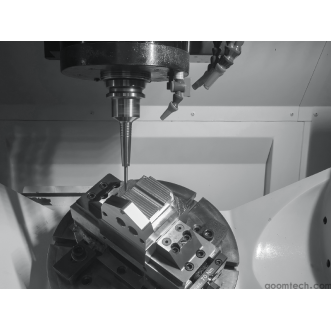
Five-axis machines are especially valuable because they can process complex geometries in a single setup, improving accuracy and reducing repositioning errors.
When evaluating a supplier, ask for a detailed list of machines, including model, age, and precision capability. A company that regularly invests in equipment upgrades demonstrates strong commitment to quality and innovation.
This is a key part of technical competence in CNC precision machining service providers, and it directly affects production accuracy and efficiency.
Skilled Workforce
Even the best machines cannot perform well without skilled professionals. A good CNC provider should have experienced:
CNC programmers
Machine operators
Quality control inspectors
Programmers should be proficient in CAD/CAM software, ensuring accurate toolpaths and efficient machining strategies. Operators must understand tooling behavior, machine calibration, and material response. Quality inspectors should be trained in precision measurement techniques.
You can evaluate workforce capability by asking about certifications, training programs, and years of experience in similar projects.
Material Expertise
A reliable provider must understand different materials, including:
Aluminum alloys
Stainless steel
Titanium
Engineering plastics
Composite materials
Each material behaves differently during machining. For example, titanium requires slower cutting speeds and specialized tooling due to its hardness and heat resistance. Plastics, on the other hand, require careful temperature control to avoid deformation.
A strong supplier should provide case studies or examples of successful projects using various materials.
Quality Assurance
Quality Management System
A professional CNC machining provider must have a structured quality system in place. Many companies follow international standards such as:
ISO 9001 for general quality management
ISO 13485 for medical device manufacturing
AS9100 for aerospace industry requirements
A strong quality system should include:
Incoming material inspection
In-process quality checks
Final inspection before shipment
Non-conformance handling procedures
This ensures defects are detected early and corrected before reaching the customer.
Precision Measuring Instruments
High-quality providers use advanced inspection tools such as:
Coordinate Measuring Machines (CMM)
Micrometers and calipers
Optical comparators
Surface roughness testers
These tools ensure every part meets strict tolerance requirements. A professional provider should also provide inspection reports for each batch of parts.
You should always ask whether their measuring tools are regularly calibrated and if they can provide traceable inspection data.
This is a key element of quality assurance of CNC precision machining providers.
Production Capacity and Lead Time
Production Capacity
Production capacity reflects how well a supplier can handle your order volume. It depends on:
Number of CNC machines
Workforce size
Shift scheduling system
Backup machine availability
A strong provider should be able to handle both small-batch prototypes and large-scale production without delays.
Ask for monthly or yearly output data for similar parts to evaluate whether they can support your demand.
Lead-Time Reliability
On-time delivery is essential for maintaining your production schedule. Delays in CNC machining can lead to serious supply chain disruptions.
A good provider should provide realistic lead times and stick to them consistently. You can evaluate reliability by checking:
Past delivery performance
Customer references
On-time delivery rate
Clear contracts with defined delivery terms can also help avoid misunderstandings.
Cost-Effectiveness
Cost Structure Transparency
A trustworthy provider should offer clear and detailed pricing. The quotation should include:
Material cost
Machining cost
Surface finishing cost
Packaging and shipping
Hidden fees can significantly increase project costs. Always request a full breakdown before approving a quote.
This is especially important when evaluating cost-effectiveness in CNC precision machining services.
Cost-Saving Suggestions
A good provider does more than just manufacture parts—they also help you optimize costs. For example:
Suggesting alternative materials with similar performance but lower cost
Modifying part design to reduce machining time
Improving tolerance specifications where unnecessary precision is not required
These suggestions can significantly reduce production expenses without affecting product quality.
Customer Service and Communication
Responsiveness
Fast and clear communication is essential in CNC machining projects. A good provider should respond quickly to emails, technical questions, and design changes.
Poor communication often leads to misunderstandings, production errors, and delays.
It is recommended to evaluate communication during the quotation stage. If responses are slow at this stage, it may indicate future issues.
After-Sales Support
A reliable CNC machining provider should offer strong after-sales support, including:
Part replacement or repair for defects
Technical assistance
Warranty policies
Good after-sales service reflects a company’s confidence in its own quality system and long-term commitment to customers.
Case Studies of Good CNC Precision Machining Service Providers
Case Study 1: Aerospace Components
A European aerospace company required high-precision aluminum structural parts with extremely tight tolerances. The challenge was maintaining accuracy while reducing production costs.
The CNC provider used five-axis machining centers, optimized toolpaths, and strict quality inspections. As a result, they reduced production time by 20% and achieved a defect rate below 0.5%.
The customer successfully launched their aircraft components on schedule with improved cost efficiency.
Case Study 2: Medical Device Industry
A medical company needed miniature titanium components for surgical instruments. The parts required complex geometry and strict biocompatibility standards.
The result was a highly reliable product that passed regulatory approval and improved surgical performance while reducing production waste.
Conclusion
Understanding Which Is a Good CNC Precision Machining Service Provider requires evaluating multiple factors, including technical capability, quality control, production capacity, cost structure, and customer service.
A truly reliable provider is not only a manufacturer but also a technical partner who helps improve design, reduce cost, and ensure long-term product success.
By carefully analyzing these criteria and focusing on technical competence in CNC precision machining service providers, quality assurance of CNC precision machining providers, and cost-effectiveness in CNC precision machining services, you can make a confident and informed decision for your business.
 Process of Custom High-Precisi
 CNC Machining Parameter Settin
 5 Key Tips for CNC Machining o
 Small-batch Precision Parts 5-