


Which provider should I choose for CNC precision machining?
Introduction to Key Considerations for CNC Machining of Molds
The Key Considerations for CNC Machining of Molds play an essential role in modern manufacturing. Molds are widely used to produce plastic parts, metal components, and many industrial products that we use in daily life. From automotive dashboards and consumer product housings to electronic device casings, molds directly determine product accuracy, appearance, and performance.
When manufacturers carefully manage mold design, material selection, machining processes, quality control, and cost planning, they can achieve higher product consistency, lower production waste, and shorter lead times. This is especially important in industries such as automotive, consumer goods, electronics, medical devices, and packaging, where precision and repeatability are critical for mass production.
Mold Design Considerations
Function and Product Requirements (mold design considerations in CNC machining)
The function of the mold and the requirements of the final product are the foundation of all design decisions. A mold must be designed based on the product’s geometry, size, tolerance requirements, and intended application.
For example, a complex plastic housing with undercuts requires special mold structures such as sliders or lifters to allow smooth part ejection without damage. If the product is used in medical or food-related applications, the mold must also support high surface finish quality and strict dimensional accuracy.
Collaboration between product designers and mold engineers is essential. This ensures the mold can realistically produce the intended product without defects or unnecessary manufacturing difficulty.
Complexity and Geometric Features
Mold complexity directly affects CNC machining difficulty. Features such as deep cavities, thin walls, sharp corners, and micro-textures require advanced machining strategies and high-precision equipment.
Highly complex molds often require:
Specialized cutting tools (e.g., long-reach end mills for deep cavities)
Multi-axis CNC machining (3-axis, 4-axis, or 5-axis systems)
Carefully optimized toolpaths to reduce vibration and tool wear
As complexity increases, machining time and cost also increase. Engineers often optimize the design by simplifying non-functional features while maintaining product performance.
Ejection and Cooling Systems
An effective ejection system ensures that molded parts are removed without deformation or surface damage. Common ejection mechanisms include ejector pins, ejector sleeves, and stripper plates. The selection depends on part shape, material, and structural sensitivity.
The cooling system is equally important. Proper cooling design reduces cycle time and improves product consistency. Factors such as cooling channel layout, coolant flow rate, and thermal balance directly affect production efficiency and part quality.
Material Considerations for Mold CNC Machining
Material Selection Based on Application (material selection for CNC-machined molds)
Choosing the right mold material is a critical decision in Key Considerations for CNC Machining of Molds. Different materials offer different performance characteristics such as hardness, wear resistance, thermal stability, and machinability.
For example:
P20 steel is commonly used for plastic injection molds due to its good machinability and balanced hardness.
H13 steel is widely used for high-temperature applications such as die casting molds.
Stainless or hardened tool steels are used when corrosion resistance or high durability is required.
The selection depends on production volume, material being molded, and expected mold lifespan.
Material Quality and Consistency
High-quality and consistent materials are essential for stable mold performance. Poor material quality can lead to cracking, uneven wear, or machining instability.
Reliable sourcing practices include:
Choosing certified suppliers with material traceability
Checking material inspection reports and certificates
Conducting hardness and composition tests when necessary
Consistent material quality ensures predictable machining behavior and reduces production risks.
Machining Process Considerations
CNC Machine Selection
Selecting the right CNC machine is essential for mold manufacturing success. The choice depends on mold size, precision requirements, and production complexity.
Common machine types include:
Vertical machining centers (VMC) – suitable for general mold machining
Horizontal machining centers (HMC) – ideal for heavy or multi-side machining
5-axis CNC machines – used for complex mold geometries
Wire EDM machines – used for precise internal features and hard materials
High-precision molds require machines with stable thermal control and high positioning accuracy.
Tooling and Cutting Parameters
Tool selection and cutting parameters directly influence machining quality and efficiency. Tools must match the material and geometry of the mold.
Key factors include:
Tool material (carbide tools are commonly used for hardened steels)
Coating type (improves wear resistance and heat control)
Spindle speed and feed rate
Depth of cut and step-over strategy
Improper parameter settings can cause tool wear, poor surface finish, or dimensional errors.
Programming and Simulation
Modern CNC mold manufacturing relies heavily on CAD/CAM programming. Accurate toolpath generation ensures precise machining operations.
Simulation plays a critical role in reducing errors before actual machining. It helps detect:
Tool collisions
Excessive cutting load
Inefficient toolpaths
This reduces production risks and improves overall machining efficiency.
Quality Control in CNC Machining of Molds
In-Process Inspection (quality control in CNC machining of molds)
In-process inspection ensures that dimensional accuracy is maintained throughout machining. Operators use measuring tools such as calipers, micrometers, and surface testers to monitor quality during production.
Early detection of errors helps prevent costly rework and ensures stable production quality.
Final Inspection and Testing
After machining, molds undergo final inspection using high-precision equipment such as coordinate measuring machines (CMM). Surface finish, dimensional accuracy, and assembly compatibility are thoroughly checked.
In many cases, trial molding tests are conducted to verify real-world performance.
Quality Assurance System
A strong quality assurance system is essential for reliable mold production. It typically includes:
Material verification procedures
Standardized inspection processes
Equipment calibration schedules
Operator training programs
Many manufacturers follow international standards such as ISO 9001 to ensure consistent quality output.
Cost-Effectiveness Considerations
Cost-Benefit Analysis
Evaluating cost versus performance is a key part of Key Considerations for CNC Machining of Molds. While high-quality materials and advanced machining systems increase initial cost, they often reduce long-term expenses through improved durability and reduced maintenance.
A balanced approach ensures both production efficiency and long-term profitability.
Optimization of Processes
Manufacturers can reduce costs by optimizing machining workflows. Common strategies include:
Reducing unnecessary tool movements
Improving toolpath efficiency
Using high-speed machining where appropriate
Minimizing setup and changeover time
Lean manufacturing principles are often applied to improve efficiency and reduce waste.
Long-Term Cost Considerations
Long-term costs such as maintenance, repair, and replacement should also be considered. A well-designed mold may cost more initially but can significantly reduce downtime and increase production lifespan.
This long-term perspective is essential for sustainable manufacturing decisions.
Conclusion
Understanding the Key Considerations for CNC Machining of Molds helps manufacturers improve product quality, reduce production risks, and achieve better cost efficiency. By carefully managing mold design, material selection, machining processes, quality control, and long-term cost planning, companies can produce reliable and high-performance molds that meet modern industrial demands.
A structured and well-controlled approach to mold CNC machining is not just a technical requirement—it is a strategic advantage in competitive manufacturing industries.
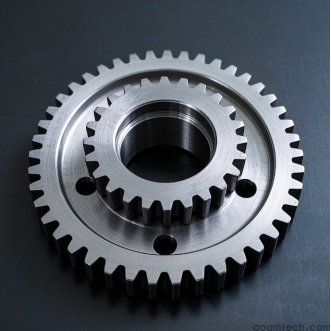 Process of Custom High-Precisi
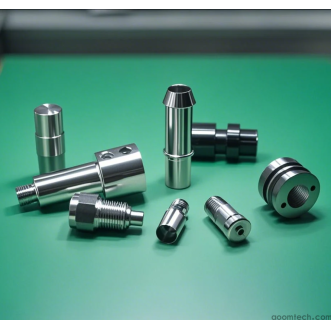 CNC Machining Parameter Settin
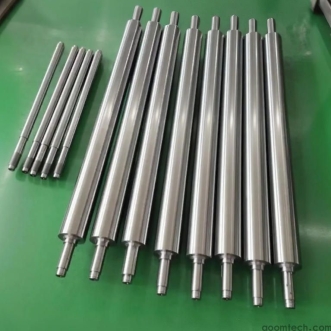 5 Key Tips for CNC Machining o
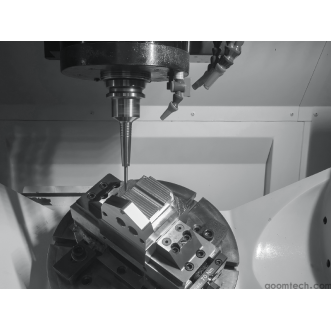 Small-batch Precision Parts 5-