


Manufacturer of Custom CNC Machined Parts
Manufacturer of Custom CNC Machined Parts plays an important role in modern manufacturing. Many industries need parts that cannot be found as standard products, so they rely on custom solutions made with CNC (Computer Numerical Control) technology. These manufacturers produce highly precise and tailored components that meet specific design, performance, and safety requirements.
Introduction to Manufacturers of Custom CNC Machined Parts
The Significance of Custom CNC Machined Parts Manufacturers
Manufacturers of custom CNC machined parts are essential for industries that require unique and precise components. When standard parts do not meet functional or design requirements, custom solutions become necessary. CNC machining allows manufacturers to create complex parts with high accuracy and repeatability.
Industries such as aerospace, automotive, medical, and electronics depend heavily on these manufacturers. For example, in aerospace, custom-machined parts improve aircraft performance and safety. In the medical field, precision components are used in surgical tools and diagnostic devices, where accuracy is critical.
Capabilities of Custom CNC Machined Parts Manufacturers
Advanced Equipment
A key factor in the capabilities of custom CNC parts manufacturers is advanced machining equipment. High-quality manufacturers invest in multi-axis CNC machines, such as 3-axis, 4-axis, and 5-axis machining centers, as well as high-speed milling machines and precision lathes.
Different machines serve different purposes:
3-axis machines are used for simpler flat or prismatic parts.
4-axis machines allow more complex shapes with rotational movement.
5-axis machines can produce highly complex 3D geometries in a single setup.
For example, 5-axis machining is widely used in aerospace and medical industries for parts with intricate shapes. Advanced machines also offer high spindle speeds and precise feed rates, allowing efficient processing of materials like aluminum, stainless steel, and titanium.
Skilled Workforce
A strong manufacturer depends not only on machines but also on people. Skilled engineers, machinists, and CNC programmers ensure accurate production. They must understand CAD/CAM software, tool selection, and machining strategies.
These professionals can interpret complex technical drawings and optimize machining processes. Their experience helps reduce errors, improve efficiency, and maintain consistent quality across production batches.
Material Expertise
A reliable manufacturer must understand how different materials behave during machining. Metals such as aluminum, steel, stainless steel, and titanium, as well as plastics and composites, all require different cutting strategies.
For example, titanium is strong but difficult to machine due to heat resistance, requiring specialized tools and slower cutting speeds. Material selection also affects cost, durability, weight, and final performance of the part.
How to Choose a Manufacturer for Custom CNC Machined Parts
Industry Experience
When choosing a manufacturer for custom CNC-machined parts, industry experience is very important. A manufacturer with long-term experience understands industry standards, tolerances, and application requirements.
Customers should review case studies, past projects, and client references. For example, a company experienced in automotive machining is more likely to understand safety requirements and mass production standards.
Quality Assurance
A strong quality control system ensures that every part meets required specifications. Reliable manufacturers use inspection tools such as coordinate measuring machines (CMM), hardness testers, and surface roughness testers.
Quality assurance typically includes:
Incoming material inspection
In-process quality checks
Final product inspection
Non-conformance handling procedures
This ensures accuracy, durability, and consistency in every batch of custom parts.
Cost-Effectiveness and Lead Times
Cost is important, but it should always be balanced with quality. A low-cost option may not always provide the best long-term value. It is recommended to compare multiple quotations to understand market pricing.
Lead time is also critical. A reliable manufacturer should be able to deliver on schedule. Reviewing past delivery performance helps determine whether they can meet deadlines consistently.
What to Expect from a Manufacturer of Custom CNC Machined Parts
Design Assistance
Many manufacturers provide design support as part of their service. This is especially useful for customers who only have an idea or concept. Engineers can help convert ideas into manufacturable designs using Design for Manufacturability (DFM) principles.
This process helps improve part performance, reduce production difficulty, and lower overall cost.
Prototyping Services
Prototyping is an important step before mass production. It allows customers to test form, fit, and function of a part before full manufacturing begins.
Prototypes are often made using the same or similar materials as final parts. This helps identify design issues early and reduces production risks. Feedback from prototyping is used to refine and improve the final design.
After-Sales Support
After-sales support from custom CNC machined parts manufacturers is essential for long-term cooperation. Good manufacturers provide technical assistance, quality guarantees, and support for any issues after delivery.
Support services may include:
Replacement of defective parts
Technical troubleshooting
Design adjustments if needed
Responsive customer service
This ensures customer satisfaction and builds long-term trust between manufacturer and client.
Conclusion
A reliable Manufacturer of Custom CNC Machined Parts is more than just a production supplier. They are a technical partner that supports design, manufacturing, and product development. By carefully evaluating capabilities, experience, quality systems, and support services, businesses can choose the right partner for successful and efficient production.
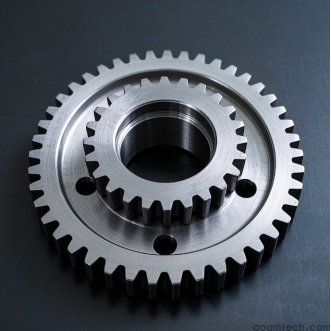 Process of Custom High-Precisi
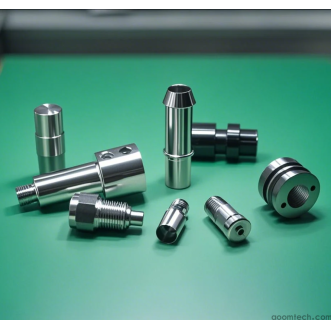 CNC Machining Parameter Settin
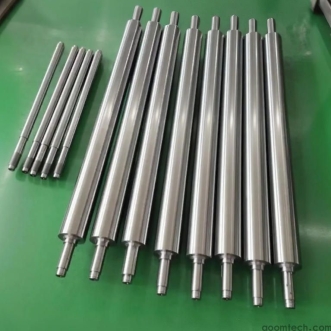 5 Key Tips for CNC Machining o
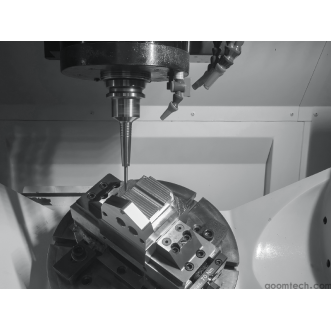 Small-batch Precision Parts 5-