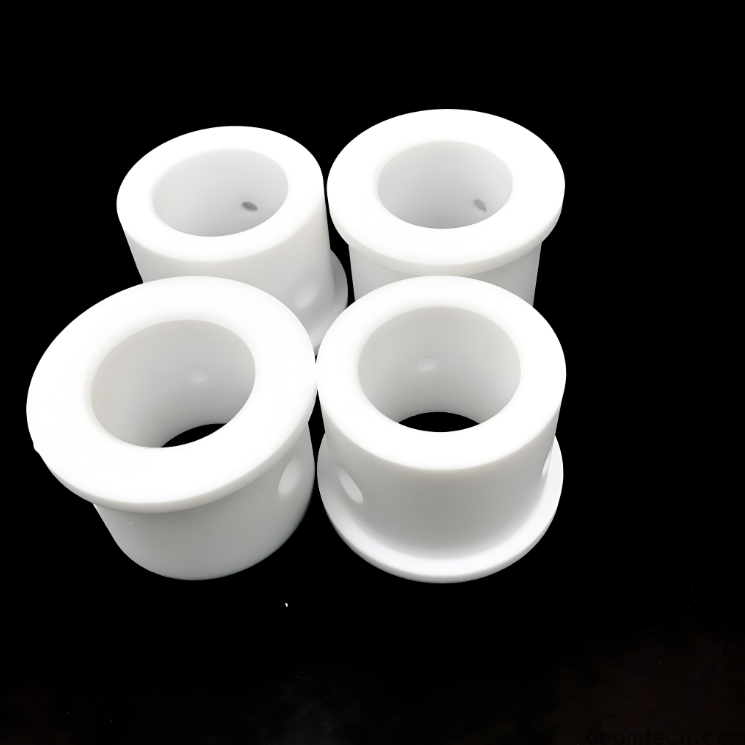
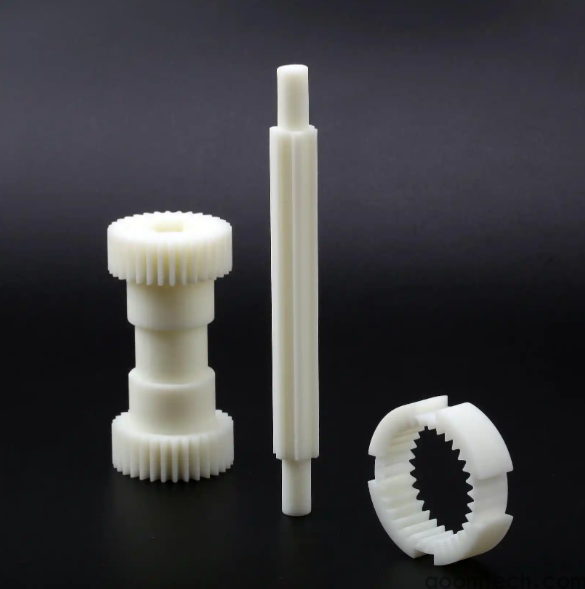
CNC Machining Engineering Plastics Services
CNC Machining Engineering Plastics Services: A Complete Practical Guide
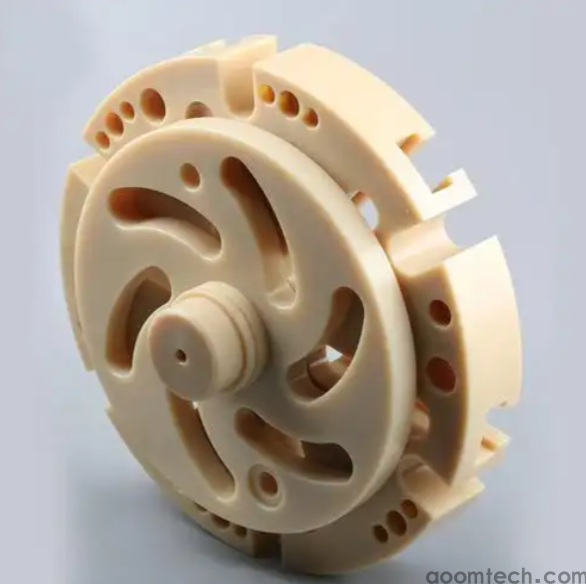
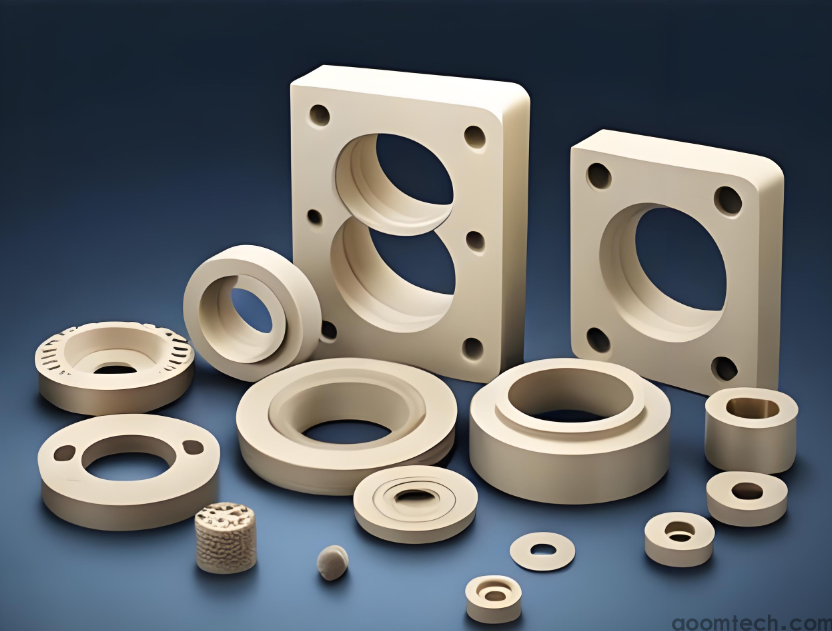
CNC Machining Engineering Plastics Services play an important role in modern manufacturing, where precision, durability, and lightweight materials are required. Engineering plastics are widely used in many industries because they combine strength, chemical resistance, and design flexibility. CNC machining makes it possible to turn these materials into highly accurate and functional components for real-world applications.
Introduction to CNC Machining Engineering Plastics Services
Importance of CNC Machining for Engineering Plastics
Engineering plastics are used in industries where metal parts may be too heavy, too expensive, or not chemically suitable. CNC machining allows manufacturers to produce precise parts from plastic materials with tight tolerances and complex shapes.
Industries such as aerospace, automotive, electronics, and medical devices rely heavily on these services. For example, in aerospace, lightweight plastic components help reduce fuel consumption. In medical devices, CNC-machined plastic parts provide biocompatibility and chemical resistance. In electronics, they offer insulation and stability in compact designs.
Characteristics of Engineering Plastics
Mechanical Properties
Engineering plastics such as PEEK, nylon, and polycarbonate are known for their strong mechanical performance.
High strength: They can withstand mechanical stress without breaking easily.
Low density: They are much lighter than metals, making them ideal for weight-sensitive applications.
Good impact resistance: Some plastics can absorb shocks without cracking.
These properties make them suitable for parts like gears, bushings, housings, and structural components. For example, PEEK is often used in aerospace components because it maintains strength under high stress conditions.
Thermal and Chemical Resistance
Engineering plastics are designed to perform in harsh environments. Many types can resist high temperatures without losing shape or mechanical strength.
They also resist many chemicals such as oils, acids, and solvents. This makes them ideal for chemical processing equipment, laboratory devices, and electronic insulation parts that operate in demanding environments.
Low Friction and Self-Lubricating Properties
Some engineering plastics have low friction surfaces, which reduce wear between moving parts. This property helps improve efficiency and extend product life.
Common applications include bearings, sliding components, and gears. In many cases, these plastics eliminate the need for additional lubrication, reducing maintenance costs.
Challenges in CNC Machining of Engineering Plastics
When working with plastics instead of metals, manufacturers face several technical challenges. Understanding these challenges in CNC machining engineering plastics is essential for producing high-quality parts.
Thermal Deformation
Plastics have low thermal conductivity, which means heat generated during machining does not dissipate quickly. This can lead to melting, expansion, or deformation.
To solve this problem, machinists often use:
Lower cutting speeds
Sharp cutting tools
Cooling air or mild coolant systems
Multiple light passes instead of deep cuts
Tool Wear and Chipping
Some engineering plastics may contain fillers or fibers that increase tool wear. If tools are not properly selected, they may chip or become dull quickly.
Solutions include:
Using carbide or coated cutting tools
Optimizing feed rate and spindle speed
Regular tool inspection and replacement
Surface Finish and Edge Quality
Soft plastics can sometimes produce rough surfaces or burrs during machining. Heat can also cause edge melting.
To improve quality, manufacturers use:
Very sharp cutting tools
Controlled feed rates
Proper chip removal systems
Post-processing such as polishing or deburring
Services Offered in CNC Machining of Engineering Plastics
Professional providers of services offered for CNC machining of engineering plastics deliver a complete solution from material selection to final finishing.
Material Selection Assistance
Different applications require different plastic materials. Service providers help customers choose the right material based on:
Operating temperature
Chemical exposure
Mechanical load requirements
Cost considerations
For example, PEEK is used for high-temperature environments, while nylon may be selected for general mechanical parts.
Custom Machining to Specifications
Service providers use CAD/CAM systems to convert customer designs into machining instructions. CNC machines then perform milling, turning, and drilling operations with high precision.
This ensures that each part matches the required dimensions exactly, even for complex geometries.
Precision and Tolerance Control
Precision is essential in engineering plastic parts, especially for aerospace and medical applications. Manufacturers use advanced measuring tools such as:
Calipers
Micrometers
Coordinate Measuring Machines (CMM)
These tools ensure that every part meets strict tolerance requirements. If deviations are found, machining parameters are adjusted immediately.
Surface Treatment and Finishing
After machining, parts may require additional finishing to improve performance or appearance. Common surface treatments include:
Polishing for smooth surfaces
Coating for chemical protection
Anti-static treatments for electronic use
The choice of finishing depends on the application and environmental conditions of the final product.
Choosing a CNC Machining Engineering Plastics Service Provider
Selecting the right partner is critical for achieving consistent quality and cost efficiency. Below are key factors for choosing a service provider for CNC machining engineering plastics.
Technical Expertise
A reliable provider should have experience working with different engineering plastics and understand their machining behavior. You can evaluate expertise by:
Reviewing case studies of past projects
Checking technical certifications
Examining sample parts
Quality Assurance
A strong quality system ensures consistent product performance. A good provider should offer:
In-process inspections
Final product inspection reports
ISO or industry-related certifications
Clear handling procedures for defective parts
This ensures that every component meets required standards before delivery.
Cost-Effectiveness and Lead Times
While price is important, it should not compromise quality. A reliable service provider balances cost, quality, and delivery time.
To evaluate this, customers should:
Compare multiple quotations
Check production capacity
Review on-time delivery history
Fast and reliable delivery is especially important for industries with strict production schedules.
Conclusion
CNC Machining Engineering Plastics Services are essential for producing high-performance plastic components used in advanced industries. From material selection to precision machining and final finishing, each step plays a key role in product quality.
Understanding material properties, machining challenges, and service capabilities helps businesses make better decisions when outsourcing production. By selecting an experienced and quality-focused provider, companies can ensure reliable performance, cost efficiency, and long-term success in their applications.
EEAT Note: This article is based on widely accepted engineering manufacturing principles, including standard CNC machining practices, material behavior of engineering plastics, and industrial quality control methods used in precision manufacturing environments.
RELATED PRODUCTS
-
Metal Parts CNC Machining
-
CNC Machining Services for Flashlight Ho
-
Metal Parts CNC Machining Services
-
Brass Parts CNC Machining Services
-
Roller CNC Machining Services
-
CNC machining of high-precision parts
-
CNC Machining for Sprockets
-
CNC Machining for Turbine Parts
-
CNC Machining Service for Crankshafts
-
CNC Machining Service for Copper Blocks