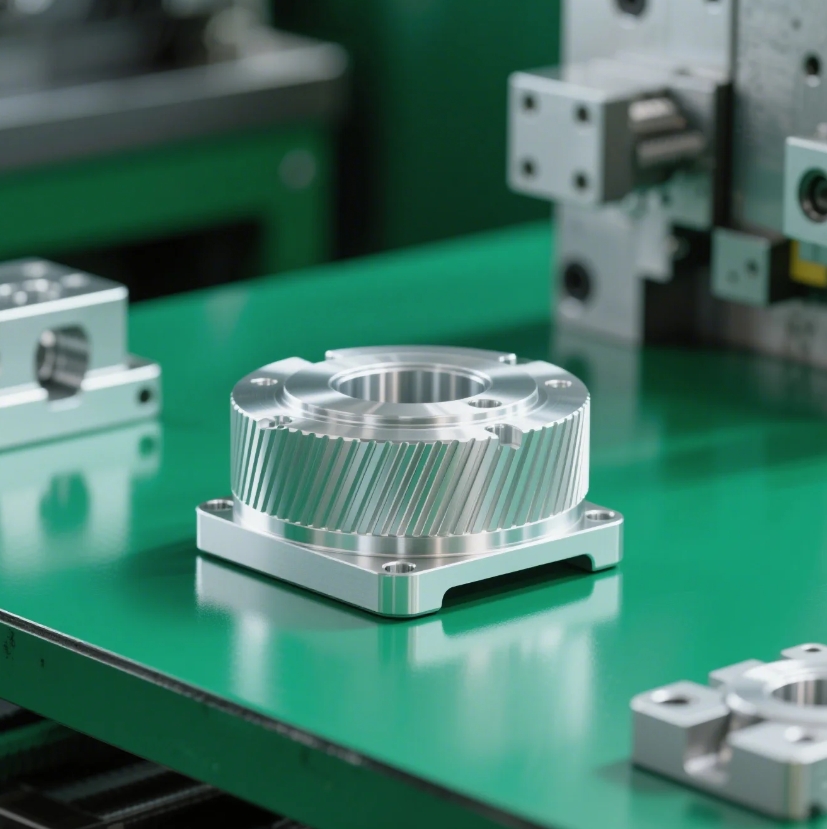
CNC Machining Aluminum Parts
CNC Machining Aluminum Parts: Process, Benefits, Challenges, and Quality Guide
Introduction to CNC Machining Aluminum Parts
CNC Machining Aluminum Parts refers to the process of using computer-controlled machines to cut, shape, and finish aluminum materials into precise components. CNC stands for Computer Numerical Control, a technology that allows machines to follow programmed instructions with high accuracy.
Aluminum is one of the most widely used engineering materials in modern industries because it is lightweight, corrosion-resistant, and has excellent thermal conductivity. CNC machining makes it possible to turn raw aluminum into highly accurate and functional parts used in aerospace, automotive, electronics, robotics, and many other fields.
The Significance of CNC Machining for Aluminum Parts
The importance of CNC Machining Aluminum Parts lies in its ability to produce consistent, precise, and reliable components. In industries where performance and safety are critical, even small errors can lead to serious problems. CNC technology ensures tight tolerances and repeatable quality.
For example, in the aerospace industry, lightweight aluminum structural parts help reduce aircraft weight, improving fuel efficiency and flight performance. In electronics, aluminum housings and heat sinks help manage heat, protecting sensitive components and improving device lifespan.
The Process of CNC Machining Aluminum Components
Design and Engineering
The process begins with CAD (Computer-Aided Design) software, where engineers create a detailed 3D model of the aluminum part. This stage defines the shape, size, and function of the component.
Good design is essential because errors at this stage can lead to manufacturing defects, poor performance, or assembly issues. Designers must consider stress loads, thermal behavior, and installation requirements.
Material Selection
Different aluminum alloys have different properties. Choosing the right material is a key step in CNC machining aluminum components.
6061 Aluminum: Excellent corrosion resistance and good machinability, widely used for general applications.
7075 Aluminum: Very high strength, often used in aerospace and high-stress components.
Selecting the correct alloy ensures the part performs correctly under real working conditions and also affects machining speed, tool wear, and surface finish.
CNC Programming
After design, the CAD model is converted into CNC code using CAM (Computer-Aided Manufacturing) software. This code defines tool paths, cutting speeds, feed rates, and depth of cut.
Accurate programming is essential. Poorly optimized code can result in incorrect dimensions, rough surfaces, or tool damage. Proper toolpath planning improves efficiency and surface quality.
Machine Setup and Tooling
In this stage, the CNC machine is prepared with the correct tools and fixtures. Carbide cutting tools are commonly used for aluminum due to their durability and sharpness.
Machine parameters such as spindle speed and feed rate must be carefully set. Incorrect setup can lead to vibration, poor accuracy, or tool breakage.
Machining Operations
Milling
Milling is one of the most common operations in CNC machining aluminum parts. A rotating cutting tool removes material to form flat surfaces, slots, and complex shapes.
Proper chip evacuation is important when milling aluminum to prevent clogging and overheating. High spindle speeds are often used to achieve smooth surface finishes.
Turning
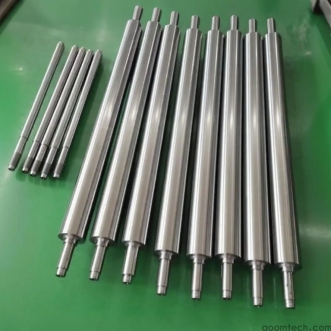
Turning is used for cylindrical aluminum parts such as shafts and bushings. The workpiece rotates while a cutting tool shapes its outer surface.
Maintaining concentricity and surface quality is essential in turning operations. Stable cutting conditions help prevent chatter and dimensional errors.
Drilling and Boring
Drilling creates holes, while boring refines and enlarges them to precise dimensions. These operations are critical in assembly-based parts.
Inaccurate hole placement can cause assembly failure or functional issues, especially in precision systems such as engines or fluid systems.
Quality Control
Quality control is a critical part of CNC Machining Aluminum Parts production. Manufacturers use measuring tools such as calipers, micrometers, and coordinate measuring machines (CMM) to ensure accuracy.
Inspections are done during and after machining to detect defects such as dimensional errors, surface roughness, or tool wear. Non-conforming parts are reworked or discarded.
Finishing and Surface Treatment
After machining, aluminum parts often require finishing processes such as deburring, polishing, or grinding to improve surface quality.
Surface treatments like anodizing or powder coating improve corrosion resistance, durability, and appearance. These processes also extend the lifespan of the part in harsh environments.
Benefits of CNC Machining Aluminum Parts
High Precision
One of the biggest advantages of CNC Machining Aluminum Parts is high precision. Computer-controlled machining ensures tight tolerances and consistent quality across all parts.
This precision is essential in industries like automotive and aerospace, where even small deviations can affect performance and safety.
Customization
CNC machining allows full customization of aluminum parts based on specific design requirements. This flexibility supports innovation and product development across industries.
Whether producing prototypes or specialized components, CNC technology makes it easy to create unique designs without expensive tooling changes.
Cost-Effectiveness for Small-Batch Production
For small production runs, CNC machining is highly cost-effective. It eliminates the need for large-scale molds or tooling, making it ideal for prototypes and custom parts.
This helps businesses reduce inventory costs and bring new products to market faster.
Challenges in CNC Machining Aluminum Products
Chip Evacuation
Aluminum often produces long, stringy chips during machining. If not properly removed, these chips can affect tool performance and surface quality.
Solutions include using high-pressure coolant systems and chip-breaking tools to improve chip control.
Tool Wear
Although aluminum is relatively soft, high-speed machining can still cause tool wear. Worn tools reduce accuracy and surface quality.
Using high-quality carbide tools and regularly monitoring tool conditions helps reduce this issue.
Thermal Expansion
Aluminum expands when exposed to heat, which can affect machining accuracy. Temperature changes during cutting may cause dimensional variations.
Using proper cooling systems and compensation strategies in CNC programming helps maintain accuracy.
Ensuring High-Quality CNC Machining Aluminum Parts
Partnering with Experienced Manufacturers
Working with experienced manufacturers is essential for producing high-quality CNC Machining Aluminum Parts. Skilled manufacturers understand material behavior, machining parameters, and quality control systems.
A reliable supplier will have experience across industries such as aerospace, automotive, and electronics, ensuring consistent results.
Continuous Process Improvement
Manufacturers should continuously improve machining processes by adopting new technologies, improving training, and optimizing workflows.
This leads to better efficiency, higher precision, and reduced production costs over time.
Collaboration Between Designers and Engineers
Strong communication between designers and machining engineers is essential. Design teams define product requirements, while machinists ensure manufacturability.
This collaboration helps prevent design errors, reduce production issues, and improve final product quality.
Conclusion
CNC Machining Aluminum Parts plays a vital role in modern manufacturing. From aerospace structures to electronic housings, aluminum components produced through CNC technology offer precision, durability, and flexibility.
By understanding the process of CNC machining aluminum components, including material selection, programming, machining operations, and quality control, businesses can achieve better performance and reliability in their products.
Although challenges such as chip evacuation, tool wear, and thermal expansion exist, they can be effectively managed with proper techniques and experienced manufacturing partners. This makes CNC machining one of the most efficient and reliable methods for producing high-quality aluminum parts.
RELATED PRODUCTS
-
Metal Parts CNC Machining
-
CNC Machining Services for Flashlight Ho
-
Metal Parts CNC Machining Services
-
Brass Parts CNC Machining Services
-
Roller CNC Machining Services
-
CNC machining of high-precision parts
-
CNC Machining for Sprockets
-
CNC Machining for Turbine Parts
-
CNC Machining Service for Crankshafts
-
CNC Machining Service for Copper Blocks