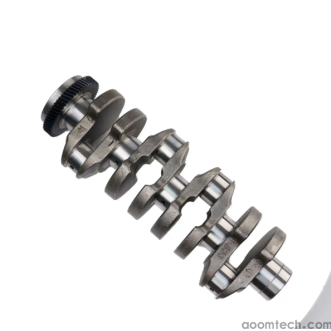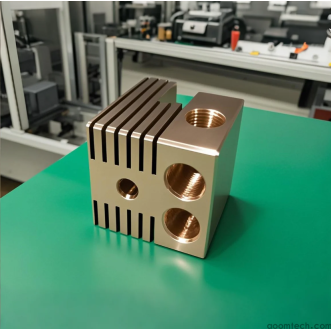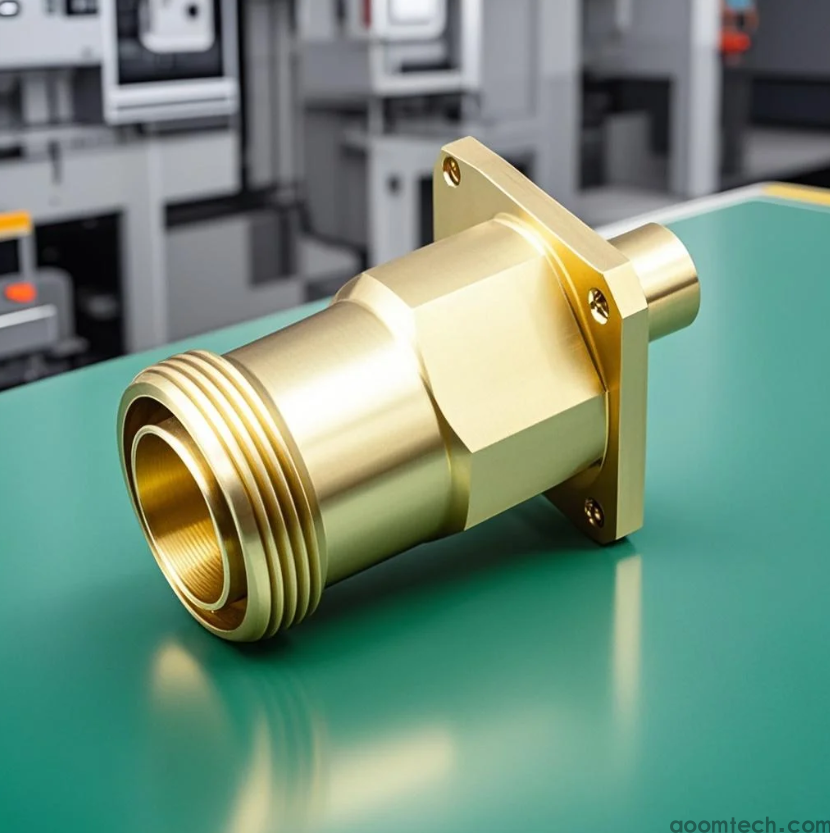
CNC Machining Service for Copper Parts
CNC Machining Service for Copper Parts: Process, Benefits, Challenges, and Selection Guide
Introduction to CNC Machining Service for Copper Parts
A CNC Machining Service for Copper Parts is a modern manufacturing solution used to produce high-precision copper components for a wide range of industries. CNC stands for Computer Numerical Control, a technology that automates machine tools through computer programming. :contentReference[oaicite:0]{index=0} enables manufacturers to create complex and accurate parts with very tight tolerances.
Copper is widely used in engineering because of its excellent electrical conductivity, thermal conductivity, corrosion resistance, and good machinability. With CNC machining, copper can be shaped into highly detailed parts that meet strict industrial requirements.
Industries such as electronics, plumbing, automotive, aerospace, and energy systems rely heavily on CNC-machined copper components. In electronics, copper parts are essential for electrical connectors and conductive components. In plumbing, copper fittings help ensure durable and leak-free water systems. In automotive applications, copper parts support cooling systems and electrical connections.
Process of CNC Machining Service for Copper Parts
Design and Programming
The process of CNC machining service for copper parts begins with design and programming. Engineers create a detailed 3D model using CAD (Computer-Aided Design) software. This model defines the shape, dimensions, tolerances, and functional requirements of the part.
The CAD design is then converted into a CNC program using CAM (Computer-Aided Manufacturing) software. This program includes toolpaths, spindle speeds, feed rates, and machining instructions. Accurate programming is essential because even small errors can lead to defective parts or assembly failures.
Material Selection and Preparation
Copper comes in different grades, and selecting the right material is critical. High-purity copper is often used for electrical applications due to its excellent conductivity. Copper alloys may be used for plumbing or mechanical components where higher strength is required.
Before machining, copper stock is cut into suitable sizes. In some cases, annealing is applied to soften the material and improve machinability. Proper preparation helps reduce tool wear and ensures stable machining performance.
CNC Machining Operations
Milling
CNC milling uses rotating cutting tools to remove material from copper workpieces. It is used to create flat surfaces, grooves, holes, and complex 3D shapes. Carbide end mills are commonly used because they provide durability and sharp cutting edges.
Copper machining typically allows higher spindle speeds due to its softness, but heat control is important to avoid deformation or surface damage.
Turning
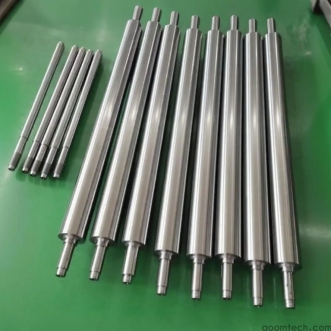
Turning is used to produce cylindrical copper parts. The workpiece rotates while a cutting tool shapes its outer or inner surface. Sharp carbide inserts are preferred for achieving smooth finishes and accurate dimensions.
Proper control of feed rate and speed helps prevent vibration and ensures concentricity, which is essential for components like copper fittings or shafts.
Drilling and Boring
Drilling creates precise holes in copper parts, while boring enlarges or refines them. High-speed steel or carbide drills are commonly used, designed with specific angles for copper machining.
Accurate hole placement is critical, especially in electrical and mechanical assemblies where alignment directly affects performance.
Finishing Operations
After machining, finishing processes improve part quality. Deburring removes sharp edges, while polishing enhances surface smoothness and conductivity. Some copper parts may also undergo plating to improve corrosion resistance.
Benefits of CNC Machining Service for Copper Parts
High Precision
One of the main advantages of a CNC Machining Service for Copper Parts is high precision. CNC systems follow programmed instructions with extreme accuracy, ensuring tight tolerances and consistent quality across production batches. This is especially important in electrical and mechanical systems where precise fit is required.
Customization Capability
CNC machining allows full customization of copper parts. Whether the design is simple or highly complex, CNC systems can produce components exactly according to specifications. This makes it ideal for prototypes, custom connectors, and specialized industrial parts.
Efficient Material Utilization
CNC machining reduces material waste by precisely controlling cutting paths. This improves cost efficiency and supports environmentally friendly manufacturing practices. Copper, being a valuable material, benefits significantly from this efficiency.
Consistency and Repeatability
Once a CNC program is set, it can produce identical parts repeatedly. This ensures consistency in large-scale production, reducing errors and improving reliability in final products.
Challenges in CNC Machining Copper Parts
Heat Generation and Deformation
Copper has high thermal conductivity, which means heat spreads quickly during machining. If not controlled properly, this can cause deformation or surface damage. Effective coolant systems and optimized cutting parameters are necessary to manage heat.
Tool Wear
Although copper is relatively soft, it can still cause tool wear during high-speed machining. Using high-quality carbide tools, monitoring tool condition, and applying proper machining strategies help extend tool life and maintain performance.
Surface Finish and Accuracy
Achieving a smooth surface finish can be challenging due to copper’s softness and tendency to stick to tools. Proper tool selection, correct cutting speeds, and post-processing techniques such as polishing are essential to ensure high-quality results.
How to Choose a CNC Machining Service Provider for Copper Parts
Experience and Technical Expertise
When selecting a provider, experience is one of the most important factors. A skilled manufacturer understands the unique behavior of copper during machining and can prevent common issues such as overheating, deformation, or poor surface finish.
It is recommended to check case studies, industry experience, and technical capabilities before making a decision.
Quality Assurance System
A reliable CNC machining service for copper parts should have a strong quality control system. This includes in-process inspection and final inspection using tools such as calipers, micrometers, and Coordinate Measuring Machines (CMM).
A structured inspection process ensures that every part meets required tolerances and performance standards.
Cost and Turnaround Time
Cost-effectiveness is important, but it should not compromise quality. Comparing multiple suppliers helps identify fair pricing. In addition, delivery time is critical for production planning. A reliable provider should have a proven track record of on-time delivery.
Production Capability and Equipment
Advanced CNC machines, skilled operators, and modern production facilities improve efficiency and precision. Providers with multi-axis CNC machines can handle more complex copper components.
Conclusion
A professional CNC Machining Service for Copper Parts plays a crucial role in modern manufacturing. From electronics to automotive systems, copper components are essential for performance, efficiency, and reliability.
Understanding the process of CNC machining service for copper parts, including design, material selection, machining operations, and finishing, helps businesses make informed decisions. At the same time, recognizing the benefits of CNC machining copper parts service—such as precision, customization, and efficiency—highlights its value in industrial production.
When choosing a CNC machining service for copper parts, factors like experience, quality control, equipment, and cost should be carefully evaluated. Selecting the right partner ensures high-quality copper components that meet technical requirements and support long-term product reliability.
RELATED PRODUCTS
-
Metal Parts CNC Machining
-
CNC Machining Services for Flashlight Ho
-
Metal Parts CNC Machining Services
-
Brass Parts CNC Machining Services
-
Roller CNC Machining Services
-
CNC machining of high-precision parts
-
CNC Machining for Sprockets
-
CNC Machining for Turbine Parts
-
CNC Machining Service for Crankshafts
-
CNC Machining Service for Copper Blocks