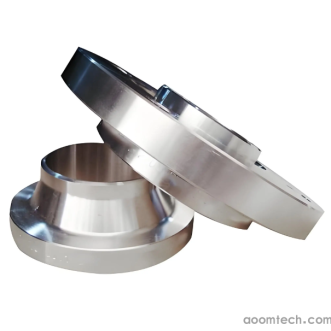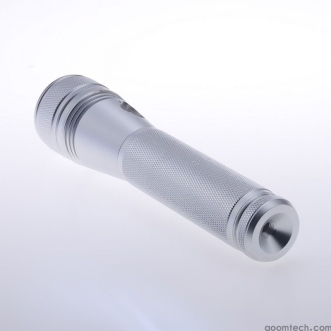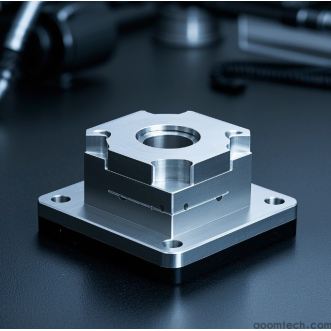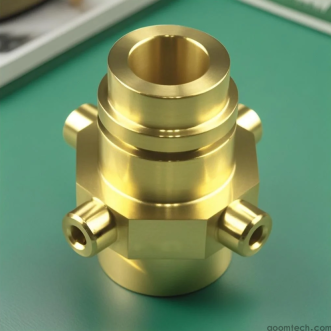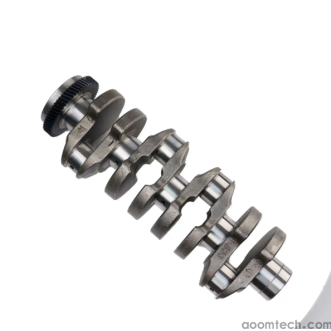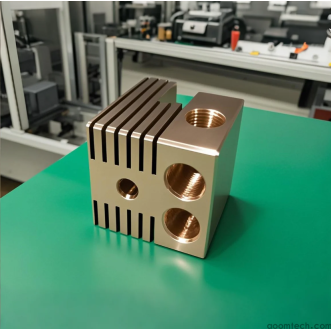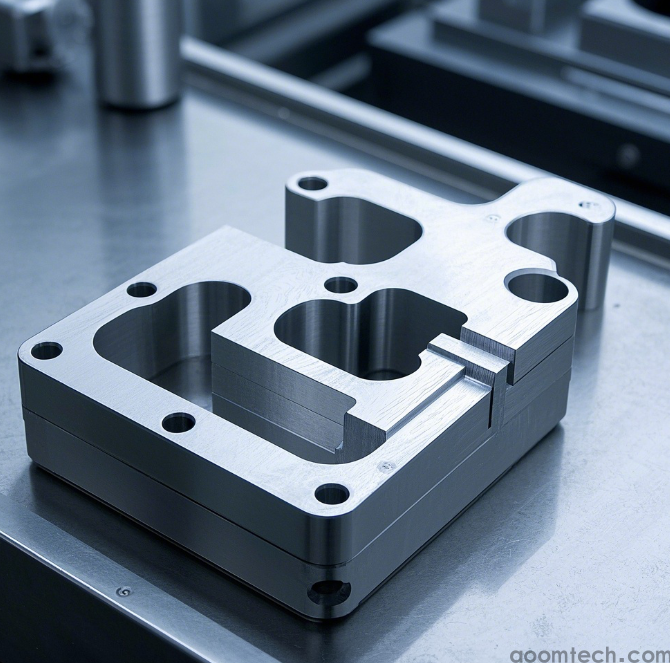
CNC Machining Large Steel Parts
Mechanical Parts CNC Machining
Mechanical Parts CNC Machining refers to the use of Computer Numerical Control (CNC) machining technology to manufacture precise mechanical components used in machines, equipment, and industrial systems. This process ensures high accuracy, repeatability, and efficiency in producing parts that must work reliably under demanding conditions.
Modern manufacturing widely relies on Mechanical Parts CNC Machining because industries such as automotive, aerospace, construction, and general engineering all depend on durable and precisely made components to keep systems running safely and efficiently.
:contentReference[oaicite:0]{index=0} plays a key role in transforming digital designs into real mechanical parts with high precision and consistency.
Introduction to Mechanical Parts CNC Machining
The Significance of Mechanical Parts
Mechanical parts are the foundation of almost every mechanical system. They are used in machines, vehicles, industrial equipment, and tools. CNC machining for mechanical parts is essential because it produces components with accurate dimensions and strong durability.
Common examples include:
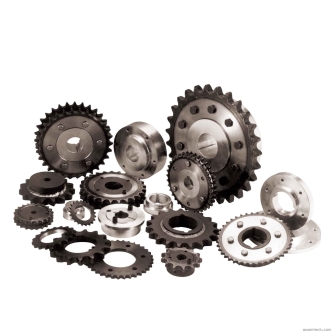
Gears – used for power transmission in automotive gearboxes and industrial machines
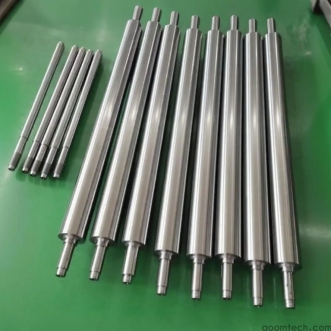
Shafts – used to transfer rotational motion in engines and equipment
Bolts and fasteners – used for secure assembly of structures and machines
Brackets – used to support and position machine components
These parts ensure that machines operate smoothly, safely, and efficiently across industries such as manufacturing, automotive production, and construction engineering.
Importance of CNC Machining for Mechanical Parts
Precision Manufacturing
CNC machining allows mechanical parts to be manufactured with extremely tight tolerances. This precision is critical because even small errors can affect how parts fit and function together.
Accurate machining helps:
Reduce mechanical wear and friction
Improve energy efficiency
Increase machine lifespan
For example, if a shaft is machined with incorrect diameter, it can cause vibration, misalignment, and premature failure of connected components.
Customization for Diverse Applications
Different industries require different mechanical part designs. CNC machining makes it possible to create highly customized components based on exact technical drawings.
Examples include:
Special gear profiles for advanced machinery
Custom brackets for construction equipment
Unique connectors for industrial automation systems
This flexibility is one of the biggest advantages of Mechanical Parts CNC Machining.
Cost-effectiveness for Batch Production
Once a CNC program is created, it can be used to produce large quantities of identical parts efficiently. This reduces production cost per unit and improves consistency.
Benefits include:
Lower setup costs for repeated production
High-speed automated manufacturing
Consistent quality across batches
CNC Machining Processes for Mechanical Parts
Milling
CNC milling uses rotating cutting tools to remove material from a workpiece. It is used to create flat surfaces, grooves, slots, and complex 3D shapes.
Key considerations include:
Proper tool selection based on material (steel, aluminum, etc.)
Correct spindle speed and feed rate
Depth of cut adjustment for accuracy
CNC milling for mechanical parts is widely used in producing gears, housings, and structural components.
Turning
Turning is used for cylindrical parts such as shafts, rods, and bushings. The workpiece rotates while a cutting tool shapes its outer or inner surface.
Important factors include:
Maintaining concentricity
Controlling surface finish quality
Managing chip formation and tool wear
Drilling
Drilling is used to create precise holes for assembly, fastening, or fluid passage. Accurate hole positioning is essential for proper mechanical alignment.
Errors in drilling can lead to misalignment, unstable assemblies, or functional failure in mechanical systems.
Materials Used in CNC Machined Mechanical Parts
Metals
Metals are the most common materials used in mechanical parts due to their strength and durability.
Steel – high strength, used for gears, shafts, and heavy-load parts
Aluminum – lightweight and corrosion-resistant, used in automotive and aerospace components
Brass – good machinability and conductivity, used in connectors and precision fittings
Materials for CNC-machined mechanical parts are selected based on performance requirements, cost, and environmental conditions.
Plastics
Engineering plastics are used when lightweight, low friction, or chemical resistance is required.
Nylon – wear-resistant and self-lubricating
Acetal – excellent dimensional stability
Polyethylene – cost-effective and impact-resistant
Challenges in CNC Machining Mechanical Parts
Tool Wear
Hard materials and long production runs can cause tool wear, affecting accuracy and surface quality. Regular monitoring and use of carbide tools help maintain performance.
Heat Generation
Excess heat during machining can lead to dimensional changes and tool damage. Coolants and optimized cutting speeds help control temperature.
Maintaining Dimensional Accuracy
Complex designs require strict quality control. Measuring tools such as micrometers and calipers are used to ensure accuracy throughout production.
Choosing a CNC Machining Service for Mechanical Parts
Technical Expertise
A reliable provider should understand material behavior, machining strategies, and industry requirements. Reviewing past projects and sample parts helps evaluate capability.
Quality Assurance
Strong quality control systems ensure consistent results. This includes in-process inspection, final measurement, and surface testing.
Cost and Lead Time
While cost is important, quality and reliability should not be compromised. Comparing suppliers and checking delivery performance helps make better decisions.
Conclusion
Mechanical Parts CNC Machining is essential for producing accurate, durable, and high-performance components used in modern industry. With advanced CNC technology, manufacturers can achieve precision, customization, and cost efficiency across a wide range of applications.
CNC Machining Lightweight Aluminum Parts
CNC Machining Lightweight Aluminum Parts is a specialized manufacturing process focused on producing high-performance aluminum components that are both strong and lightweight. These parts are widely used in industries where reducing weight improves performance, efficiency, and energy savings.
:contentReference[oaicite:1]{index=1} enables manufacturers to create complex aluminum components with high precision and repeatability.
The Significance of Lightweight Aluminum Parts
Lightweight aluminum parts are essential in industries such as aerospace, automotive, electronics, and robotics. Their low density helps reduce overall system weight while maintaining strength and durability.
Examples include aircraft structural components, engine housings, automotive brackets, and electronic device casings. These parts improve fuel efficiency, performance, and product portability.
Importance of CNC Machining for Lightweight Aluminum Parts
Precision Manufacturing
Aluminum components often require tight tolerances to ensure proper assembly and performance. CNC machining guarantees accuracy and consistency across all produced parts.
Inaccurate machining can cause serious issues such as vibration, energy loss, or system failure—especially in aerospace applications where safety is critical.
Complex Geometries and Customization
CNC machining allows the production of complex aluminum shapes, including internal structures and lightweight reinforcement designs.
Examples include:
Ribbed structural components for automotive systems
Compact electronic enclosures with internal mounting features
Custom aerospace brackets with optimized weight reduction
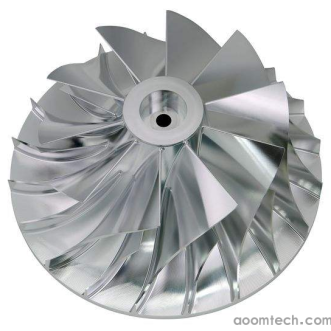
CNC milling for lightweight aluminum parts is especially effective for creating intricate and high-strength geometries.
Cost-effectiveness for Batch Production
Once programming is completed, CNC machines can produce aluminum parts in large quantities with consistent quality. This significantly reduces cost per unit.
CNC Machining Processes for Lightweight Aluminum Parts
Milling
Milling is widely used for shaping aluminum parts. High spindle speeds and sharp tools are important for achieving smooth finishes and preventing material sticking.
Turning
Turning is used for cylindrical aluminum parts such as shafts and connectors. Proper tool selection helps prevent vibration and ensures smooth surfaces.
Drilling
Drilling in aluminum requires careful chip removal to avoid clogging. High-helix drills are often used for better efficiency.
Machining processes for lightweight aluminum components must be optimized to prevent overheating and maintain precision.
Challenges in CNC Machining Aluminum Parts
Tool Wear and Breakage
Although aluminum is soft, high-speed machining can still cause tool wear or breakage if parameters are not optimized.
Chip Formation and Control
Aluminum chips can become long and tangled, affecting machining efficiency. Proper coolant systems and chip-breaking strategies are necessary.
Surface Finish and Accuracy
Achieving smooth surfaces requires correct cutting speeds, sharp tools, and post-processing when necessary.
Choosing a CNC Machining Service for Lightweight Aluminum Parts
Technical Expertise
A skilled provider understands aluminum behavior and can optimize machining strategies for different applications.
Quality Assurance
Strict inspection systems ensure dimensional accuracy and surface quality using advanced measuring tools.
Cost and Lead Time
Reliable suppliers provide transparent pricing and consistent delivery schedules, helping businesses maintain production efficiency.
Choosing a service for CNC-machined lightweight aluminum parts requires balancing cost, quality, and delivery performance.
Conclusion
CNC Machining Lightweight Aluminum Parts plays a vital role in modern manufacturing. It enables industries to produce strong, lightweight, and highly precise components that improve performance and efficiency across multiple applications.
RELATED PRODUCTS
-
Metal Parts CNC Machining
-
CNC Machining Services for Flashlight Ho
-
Metal Parts CNC Machining Services
-
Brass Parts CNC Machining Services
-
Roller CNC Machining Services
-
CNC machining of high-precision parts
-
CNC Machining for Sprockets
-
CNC Machining for Turbine Parts
-
CNC Machining Service for Crankshafts
-
CNC Machining Service for Copper Blocks