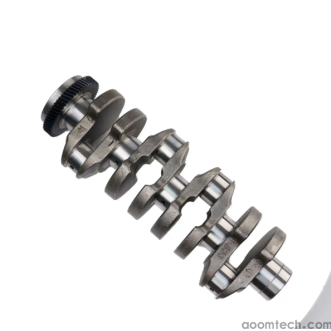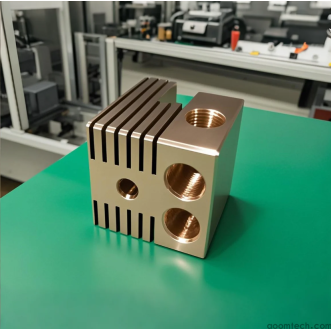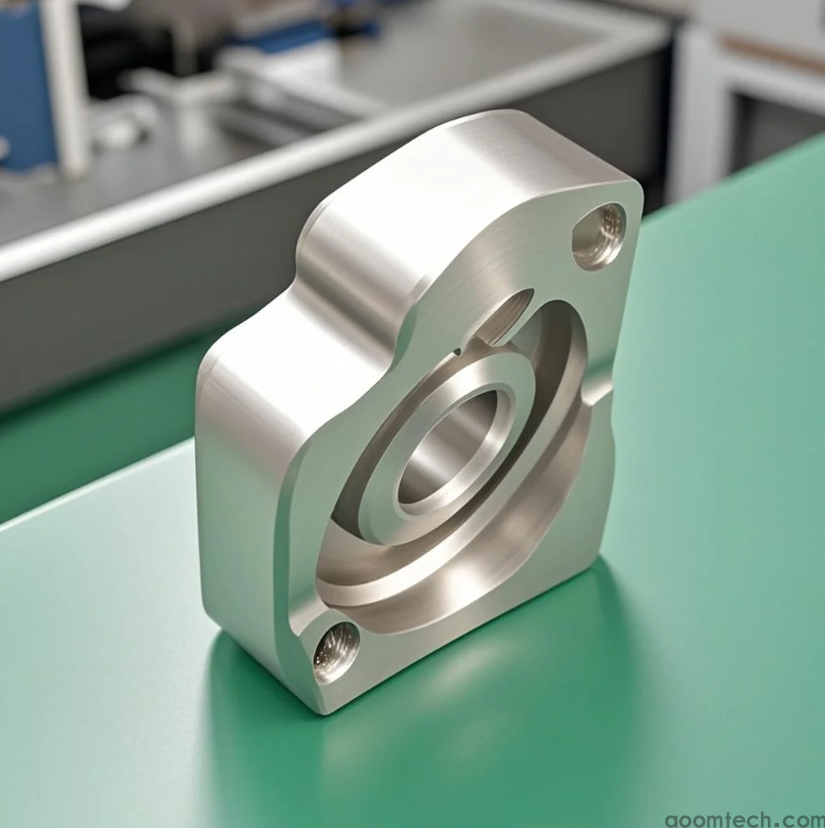
CNC Machining Boiler Parts
CNC Machining Boiler Parts: Process, Importance, and Quality Guide
CNC Machining Boiler Parts plays a critical role in modern energy systems and heavy industries. Boilers are widely used in power plants, refineries, chemical plants, and manufacturing facilities to produce steam or hot water. These systems work under high pressure and high temperature, so every component must be manufactured with high precision and reliability. CNC (Computer Numerical Control) machining ensures that boiler parts meet strict performance and safety requirements.
This article explains the process of CNC machining for boiler components, key technical steps, important material choices, benefits, challenges, and how to ensure high-quality production in real industrial applications.
The Significance of CNC Machining for Boiler Parts
Boiler systems depend on the safe and efficient transfer of heat and pressure. Even a small defect in one part can affect the entire system. That is why CNC machining is essential in producing boiler components with accurate dimensions and strong mechanical properties.
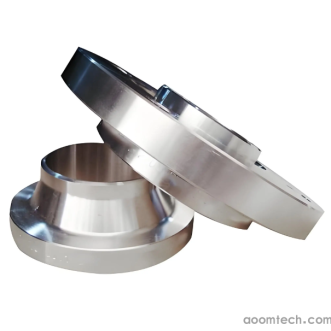
For example, a precisely machined heat exchanger tube improves heat transfer efficiency and reduces energy loss. A well-finished boiler flange ensures tight sealing, preventing dangerous steam or water leaks. In industrial environments, such precision directly improves safety, efficiency, and operational lifespan.
In short, CNC machining provides the accuracy and consistency needed for modern boiler systems to operate safely under extreme conditions.
Process of CNC Machining for Boiler Components
Design and Engineering
The process begins with detailed design using CAD (Computer-Aided Design) software. Engineers create 3D models of boiler parts such as tubes, flanges, headers, and plates. These designs consider pressure levels, temperature exposure, flow paths, and mechanical loads.
Design optimization is important to ensure manufacturability. A poorly designed boiler tube, for example, may fail under pressure or reduce heat transfer efficiency. Engineering teams must balance performance, safety, and machining feasibility.
Material Selection
Material selection is one of the most important steps in CNC machining boiler parts. Common materials include carbon steel, stainless steel, and nickel-based alloys.
Each material has different properties:
Carbon steel: cost-effective and strong for general applications
Stainless steel: excellent corrosion and heat resistance
Nickel alloys: high performance in extreme temperature and pressure conditions
The selected material affects machining speed, tool wear, and cutting strategy. Harder materials require slower cutting speeds and stronger cutting tools.
CNC Programming
After the design is finalized, it is converted into a CNC program using CAM (Computer-Aided Manufacturing) software. This step defines tool paths, cutting speeds, feed rates, and machining depth.
Accurate programming is essential. Incorrect tool paths can lead to dimensional errors, poor surface finish, or unsafe parts. For example, improper drilling positions in a boiler header may result in leakage during operation.
Machine Setup and Tooling
CNC machines are prepared by installing tools, fixtures, and work-holding devices. For boiler parts, carbide cutting tools are often used because they can withstand high heat and wear.
Proper machine setup ensures stability and precision. Incorrect setup may lead to vibration, tool breakage, or dimensional inaccuracy. Every parameter, including spindle speed and feed rate, must match the material and design requirements.
Machining Operations
Turning
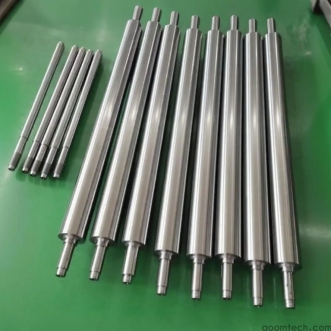
Turning is used for cylindrical boiler parts such as tubes and shafts. The workpiece rotates while a cutting tool shapes the outer surface.
Maintaining concentricity is essential for pressure resistance and heat transfer efficiency. Proper cutting parameters help prevent vibration and ensure smooth surface finish.
Milling
Milling is used to create flat surfaces, slots, and complex shapes in boiler components. It is commonly used for flanges and mounting surfaces.
Tool selection and cutting parameters must match material hardness. Incorrect settings can cause surface defects or reduced part accuracy.
Drilling and Boring
Drilling creates holes for bolts, fluid flow, or assembly connections. Boring is used to refine hole accuracy and improve surface finish.
In boiler systems, hole precision is critical. Misaligned holes in a boiler header can lead to leakage or assembly failure.
Heat Treatment (If Required)
Some boiler parts undergo heat treatment to improve strength, hardness, or durability. Common processes include annealing, quenching, and tempering.
Heat treatment changes material structure and can introduce internal stress. Therefore, post-treatment processes are often required to stabilize the part and ensure long-term performance under pressure.
Quality Control
Quality control is essential in CNC machining boiler parts because safety is a top priority. Inspections are performed at multiple stages of production.
Common inspection methods include:
Dimensional measurement using calipers and micrometers
Surface roughness testing
Ultrasonic testing for internal defects
Any part that does not meet specifications must be reworked or rejected to avoid safety risks in boiler operation.
Finishing and Surface Treatment
After machining, boiler parts undergo finishing processes such as grinding, polishing, and deburring. These steps improve surface quality and remove sharp edges.
Surface treatments such as coating or shot peening improve corrosion resistance and fatigue strength. This is especially important for parts exposed to steam, water, and chemicals.
Key Considerations in Boiler Parts CNC Machining
High Temperature and Pressure Resistance
One of the key considerations in boiler parts CNC machining is the ability to withstand extreme working conditions. Materials and machining accuracy must support high pressure and temperature without deformation or failure.
Corrosion Resistance
Boilers often operate in environments with moisture and chemicals. Corrosion resistance is essential to extend part life and maintain safety. Stainless steel and protective coatings are commonly used to prevent rust and material degradation.
Compliance with Industry Standards
Boiler parts must comply with strict industry regulations such as ASME standards. These standards ensure safety, reliability, and consistent quality across all components used in pressure systems.
Benefits of CNC Machining for Boiler Parts
High Precision
CNC machining provides extremely tight tolerances, ensuring that every boiler component fits perfectly and performs efficiently. This improves heat transfer and reduces energy loss.
Customization
CNC technology allows manufacturers to produce custom boiler parts based on specific system requirements. This is useful for specialized industries such as chemical processing or power generation.
Cost-Effectiveness for Medium to Large Production
Once a CNC program is developed, it can be reused for consistent production. This reduces labor costs and improves efficiency, making CNC ideal for medium and large batch manufacturing.
Challenges in CNC Machining Boiler Parts
Complex Geometries and Tight Tolerances
Boiler components often have complex shapes and require high precision. Multi-axis CNC machines and advanced programming are needed to achieve accurate results.
Material Machinability
High-strength steels and nickel alloys are difficult to machine. They cause tool wear and require optimized cutting strategies, high-performance tools, and proper cooling systems.
Regulatory Compliance
Meeting international safety standards can be challenging. Manufacturers must continuously update processes, documentation, and inspection methods to stay compliant.
Ensuring High-Quality CNC Machining of Boiler Parts
Skilled Workforce
Experienced engineers, CNC programmers, and quality inspectors are essential. They must understand both machining technology and boiler system requirements to ensure safe production.
Advanced Equipment
High-performance CNC machines, precision measuring tools, and simulation software improve accuracy and reduce production errors. Modern equipment also supports complex geometries and faster production cycles.
Strong Quality Management System
A structured quality management system ensures consistent results. It includes process control, inspection checkpoints, documentation, and continuous improvement practices.
This system helps reduce defects and ensures every part meets safety and performance standards.
Conclusion
CNC Machining Boiler Parts is a highly specialized manufacturing process that ensures safety, efficiency, and reliability in industrial boiler systems. From design and material selection to machining, heat treatment, and quality control, every step plays a critical role in final performance.
By understanding the key considerations in boiler parts CNC machining and applying advanced technology and strict quality control, manufacturers can produce durable and high-performance components that meet global industrial standards.
As demand for efficient energy systems continues to grow, CNC machining will remain a key technology supporting the future of boiler manufacturing and industrial engineering.
RELATED PRODUCTS
-
Metal Parts CNC Machining
-
CNC Machining Services for Flashlight Ho
-
Metal Parts CNC Machining Services
-
Brass Parts CNC Machining Services
-
Roller CNC Machining Services
-
CNC machining of high-precision parts
-
CNC Machining for Sprockets
-
CNC Machining for Turbine Parts
-
CNC Machining Service for Crankshafts
-
CNC Machining Service for Copper Blocks