CNC Machining Brass Small Parts
CNC Machining Brass Small Parts: Process, Benefits, Challenges, and How to Choose the Right Service
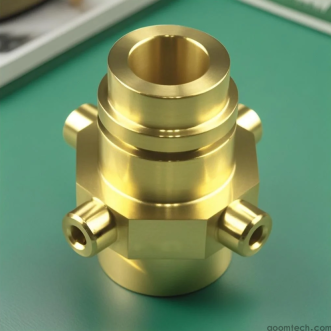
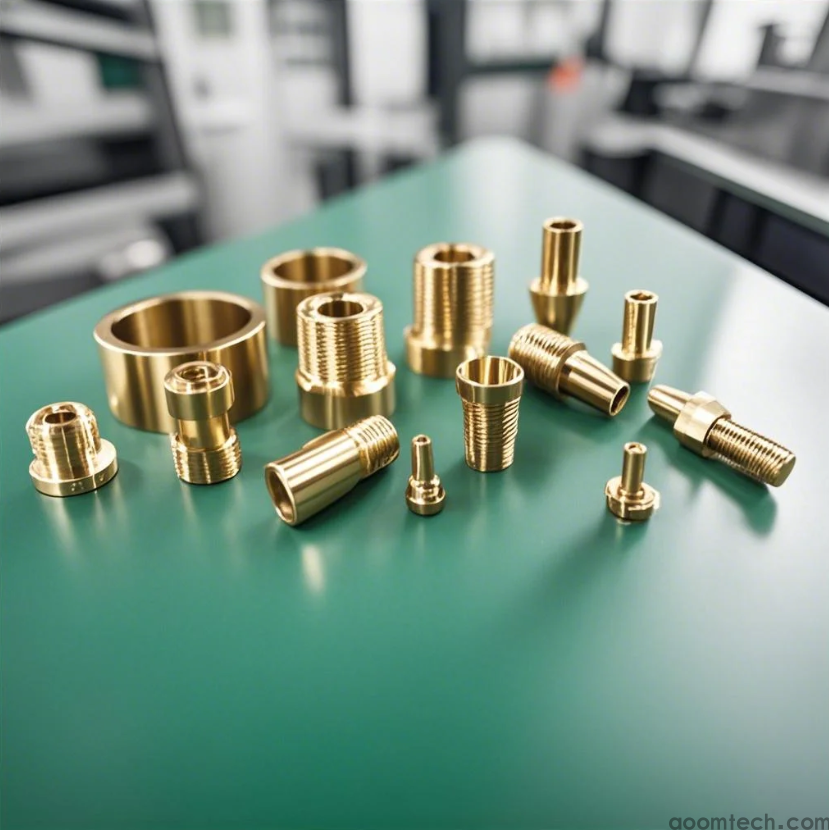
CNC Machining Brass Small Parts plays an important role in modern manufacturing where accuracy, reliability, and small-scale precision are required. Brass is widely used due to its excellent machinability, corrosion resistance, electrical conductivity, and attractive appearance. When combined with CNC (Computer Numerical Control) technology, it becomes possible to produce highly accurate small components used across multiple industries.
This article explains the process of CNC machining brass small parts, their importance, benefits, challenges, and how to select a reliable machining service provider.
Introduction to CNC Machining Brass Small Parts
The Significance of CNC Machining Brass Small Parts
CNC machining of brass small parts is widely used in industries that require precision and consistency. Brass is a copper-zinc alloy known for its stability, corrosion resistance, and ease of machining. These properties make it ideal for producing small, detailed components.
In electronics, brass is commonly used for connectors and terminals that ensure stable electrical performance. In plumbing, brass fittings provide leak-resistant connections. In jewelry manufacturing, brass is used for decorative and structural components with intricate designs. These examples show how CNC machining ensures both functionality and precision in small brass parts.
The CNC Machining Process for Brass Small Parts
Design and Programming
The process begins with digital design using CAD (Computer-Aided Design) software. Engineers create a precise 3D model of the brass small part, defining all dimensions, tolerances, and functional requirements.
Next, CAM (Computer-Aided Manufacturing) software converts the CAD model into CNC machine instructions. These instructions define toolpaths, cutting speeds, feed rates, and cutting depth.
Accurate design and programming are essential. Even small errors can lead to defective parts. For example, a miscalculated brass fitting in a plumbing system may result in leakage or system failure.
Material Selection and Preparation
Choosing the right brass material is a critical step in CNC machining brass small parts. Different brass grades offer different properties:
High-conductivity brass for electrical components
Free-cutting brass for improved machinability
Decorative brass for jewelry and aesthetic applications
After selection, the brass raw material is prepared by cutting it into suitable sizes. In some cases, annealing is applied to improve machinability and reduce internal stress. Proper preparation ensures stable machining performance and better final quality.
CNC Machining Operations
Milling
Milling is a key operation in producing brass small parts. A rotating cutting tool removes material to create surfaces, holes, grooves, and complex shapes.
Carbide end mills are commonly used due to their durability and sharp cutting edges. Since brass is relatively soft, higher spindle speeds and feed rates are often applied. However, heat control is important to avoid surface deformation.
Consistent machining parameters ensure smooth surface finish and accurate dimensions.
Turning
Turning is used to produce cylindrical brass components such as pins, connectors, and shafts. The workpiece rotates while a cutting tool shapes its outer surface.
To achieve high precision, sharp carbide inserts are used. Proper control of spindle speed and feed rate helps prevent vibration (chatter) and ensures concentricity.
For example, in small mechanical devices, accurate turning ensures smooth assembly and reliable performance.
Drilling and Boring
Drilling creates holes in brass parts, while boring improves hole accuracy and finish. High-speed steel or carbide drills are commonly used.
Precise hole positioning is critical, especially in electronic components where alignment affects functionality. Incorrect drilling may lead to assembly issues or electrical connection failures.
Finishing Operations
After machining, finishing processes improve both appearance and performance. Common finishing methods include:
Deburring to remove sharp edges
Polishing for improved surface shine
Plating for corrosion resistance
Chemical coating for decorative or protective purposes
These processes enhance durability and ensure the brass small parts meet functional and aesthetic requirements.
Benefits of CNC Machining Brass Small Parts
High Precision
One of the main advantages of CNC machining brass small parts is high precision. CNC machines follow programmed instructions with excellent repeatability, ensuring tight tolerances.
This is essential in industries such as electronics and miniature mechanical systems, where even small deviations can affect performance.
Customization Flexibility
CNC machining allows full customization of brass small parts. Designers can create unique shapes, sizes, and features according to specific project requirements.
This flexibility is particularly useful in custom plumbing systems, specialized electronic devices, and prototype development.
Cost-Effectiveness for Small-Batch Production
Unlike mass production methods requiring expensive tooling, CNC machining is cost-effective for small batches. This makes it ideal for prototypes, limited production runs, and custom orders.
Businesses benefit by reducing upfront costs while maintaining high-quality output.
Challenges in CNC Machining Brass Small Parts
Heat Generation and Deformation
Although brass is easy to machine, heat generation can still cause deformation in small or thin-walled parts. This affects dimensional accuracy.
Using proper coolant systems, optimizing cutting speeds, and selecting the right tools help reduce heat buildup and maintain stability.
Tool Wear
Tool wear is another challenge in CNC machining brass small parts. Even though brass is relatively soft, high-speed machining and complex shapes can still wear cutting tools over time.
Using high-quality carbide tools, monitoring tool condition, and applying optimized toolpaths help extend tool life and maintain machining efficiency.
Surface Finish and Dimensional Accuracy
Achieving a perfect surface finish and precise dimensions can be difficult due to brass softness and machining conditions.
Solutions include using sharp tools, stable machining parameters, and post-processing techniques such as polishing or buffing. Temperature compensation and precision measurement tools also help maintain accuracy.
How to Choose a CNC Machining Service for Brass Small Parts
Experience and Technical Expertise
When choosing a provider for CNC machining brass small parts, experience is a key factor. A skilled manufacturer understands brass behavior and machining challenges.
Look for companies with proven case studies, industry experience, and skilled engineers who specialize in precision machining.
Quality Assurance System
A strong quality control system ensures reliable results. A professional CNC service should use tools such as calipers, micrometers, and CMM (Coordinate Measuring Machine) for inspection.
Quality assurance should include in-process checks and final inspections to ensure all parts meet required specifications.
Cost and Delivery Time
Cost is important, but it should be balanced with quality. Comparing multiple suppliers helps identify fair pricing.
Turnaround time is equally important. A reliable provider should offer clear production timelines and consistently meet deadlines, especially for urgent or prototype orders.
Conclusion
CNC Machining Brass Small Parts is a highly efficient and precise manufacturing method used in electronics, plumbing, jewelry, and many other industries. The process of CNC machining brass small parts involves careful design, material selection, machining operations, and finishing to ensure high-quality results.
While challenges such as heat generation, tool wear, and surface finishing exist, they can be managed through proper techniques and equipment. Choosing the right machining service is essential for achieving consistent quality, cost efficiency, and reliable delivery.
By understanding the full process and key considerations, businesses can make better decisions and fully benefit from benefits of CNC machining brass small components in their production needs.
RELATED PRODUCTS
-
Metal Parts CNC Machining
-
CNC Machining Services for Flashlight Ho
-
Metal Parts CNC Machining Services
-
Brass Parts CNC Machining Services
-
Roller CNC Machining Services
-
CNC machining of high-precision parts
-
CNC Machining for Sprockets
-
CNC Machining for Turbine Parts
-
CNC Machining Service for Crankshafts
-
CNC Machining Service for Copper Blocks