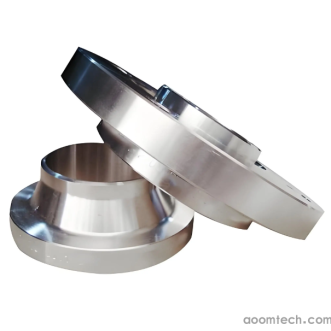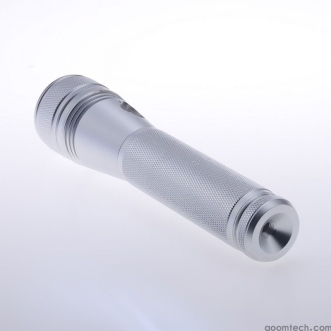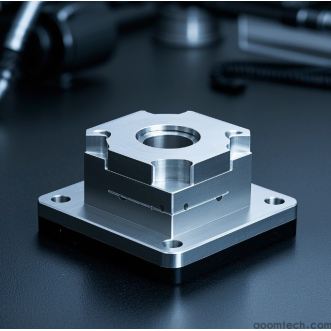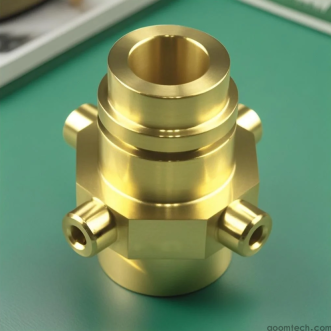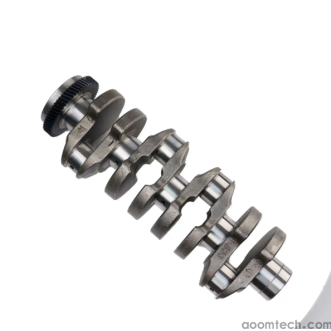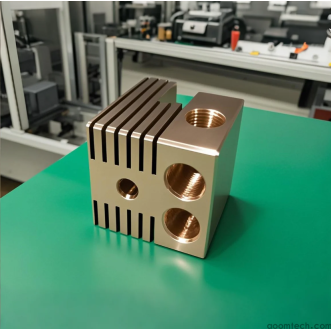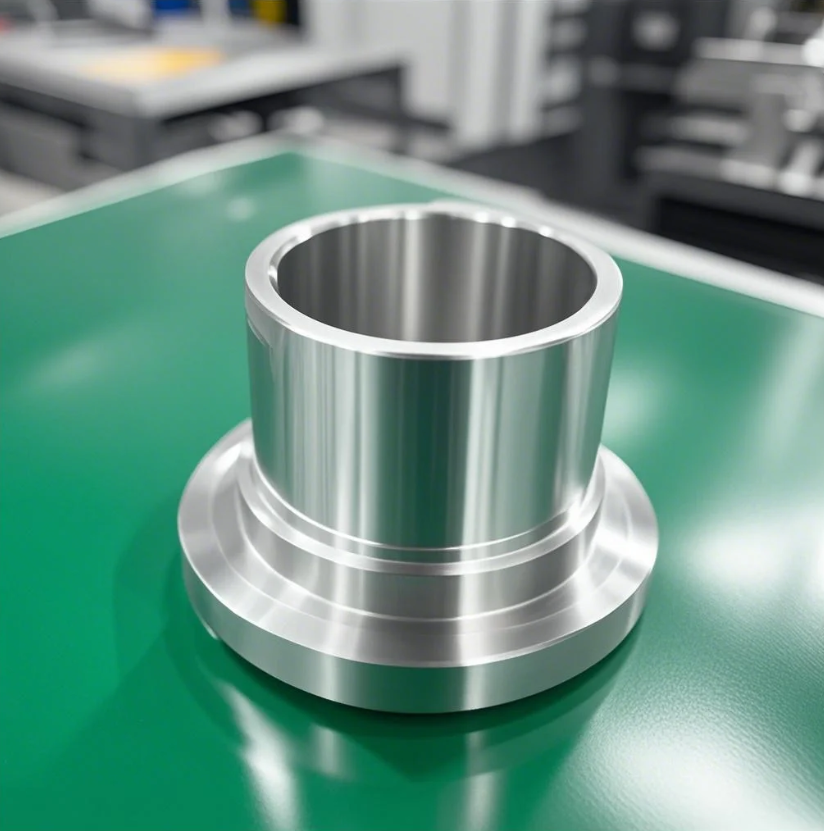
CNC Machining Cast Steel Parts
CNC Machining Cast Steel Parts: Process, Benefits, Challenges, and Quality Guide
CNC Machining Cast Steel Parts play a key role in modern manufacturing industries that require strength, durability, and precision. Cast steel is widely used because it can withstand heavy loads and harsh working conditions. However, after casting, the parts usually need precise finishing. This is where CNC (Computer Numerical Control) machining becomes essential.
This article explains the process of CNC machining cast steel components, its importance, main operations, advantages, challenges in CNC machining cast steel, and how to ensure high-quality results in real production environments.
The Significance of CNC Machining Cast Steel Parts
Cast steel is known for its excellent mechanical strength, impact resistance, and flexibility in design. However, the casting process alone cannot achieve the tight tolerances and smooth surfaces required in many applications. CNC machining solves this problem by providing precise shaping and finishing.
Industries such as construction, automotive, mining, energy, and heavy equipment manufacturing rely heavily on these components. For example, in construction machinery, CNC-machined cast steel brackets, housings, and structural fittings ensure safety and stability in demanding environments like bridges, cranes, and high-rise buildings.
Without CNC machining, many cast steel parts would lack the accuracy and reliability needed for modern engineering systems.
The CNC Machining Process for Cast Steel Parts
Pre-machining Inspection
Before machining begins, cast steel parts must undergo a detailed inspection. This step ensures that the raw casting is suitable for CNC processing.
Visual inspection for surface defects
Non-destructive testing such as ultrasonic testing to detect internal cracks or porosity
Dimensional measurement to verify casting accuracy
This stage is critical because hidden defects can cause tool damage, machining errors, or part failure during service.
Design and Programming
Engineers use CAD (Computer-Aided Design) software to create a detailed 3D model of the part. This model defines dimensions, tolerances, and functional requirements.
Next, CAM (Computer-Aided Manufacturing) software converts the design into a CNC program. This program includes toolpaths, cutting speeds, feed rates, and machining depth.
Accuracy in this stage is essential. Even small programming errors can lead to defective parts or wasted materials, especially when dealing with complex geometries.
Material Considerations and Tool Selection
Cast steel comes in different grades, each with unique properties such as hardness, toughness, and machinability. Selecting the correct grade is important for performance and machining efficiency.
Carbide-tipped cutting tools are commonly used because they offer high wear resistance and stability when machining hard materials like cast steel.
Tool selection depends on:
Type of operation (milling, turning, drilling)
Required surface finish
Material hardness
CNC Machining Operations
Milling
Milling is used to create flat surfaces, grooves, slots, and complex 3D shapes. The cutting tool rotates while removing material from the cast steel workpiece.
Due to the hardness of cast steel, lower spindle speeds and controlled feed rates are required. This helps reduce tool wear and ensures better surface quality.
Turning
Turning is used for cylindrical parts such as shafts and bushings. The workpiece rotates while a cutting tool shapes its outer surface.
Maintaining concentricity and surface smoothness is important. Carbide inserts are commonly used to achieve stable performance and reduce vibration.
Drilling and Boring
Drilling creates holes, while boring improves hole accuracy and surface finish. These operations are essential for assembly-related features.
For example, in engine components or hydraulic systems, precise hole placement ensures proper alignment and performance.
Post-machining Finishing and Inspection
After machining, cast steel parts often go through finishing processes such as grinding, polishing, or heat treatment. These processes improve surface quality and mechanical strength.
Final inspection is performed using tools like Coordinate Measuring Machines (CMM) to ensure dimensional accuracy and surface quality meet specifications.
Benefits of CNC Machining Cast Steel Parts
High Precision
CNC machining ensures tight tolerances and consistent accuracy. This is especially important in industries where parts must fit perfectly, such as engines and heavy machinery.
Complex Geometry Machining
One of the key benefits of CNC machining cast steel parts is the ability to produce complex shapes that are difficult to achieve with traditional methods. This allows engineers to design more efficient and innovative components.
Consistent Quality
Once the CNC program is set, every part produced follows the same parameters. This ensures uniform quality, reduces waste, and improves production efficiency.
These benefits of CNC for cast steel parts make it a preferred solution for mass production and precision engineering.
Challenges in CNC Machining Cast Steel
Tool Wear
Cast steel is hard and abrasive, which can cause rapid tool wear. This increases production cost and may affect part quality. Using high-quality carbide tools and optimized cutting conditions can help reduce wear.
Heat Generation
Machining cast steel generates significant heat, which may lead to tool damage or part distortion. Proper coolant systems and optimized cutting speeds are necessary to control temperature.
Complex Programming for Intricate Parts
Advanced part designs require complex CNC programming. This increases the risk of errors if not handled properly. Simulation software and experienced programmers are essential to avoid costly mistakes.
Ensuring High-Quality CNC Machining of Cast Steel Parts
Choose a Reputable Machining Provider
Selecting an experienced CNC machining supplier is one of the most important factors for success. A reliable provider will have advanced equipment, skilled technicians, and strict quality control systems.
Continuous Monitoring and Optimization
During production, monitoring tool wear, cutting conditions, and part quality helps improve efficiency. Adjustments can be made in real time to optimize performance and reduce defects.
Operator Training
Well-trained operators are essential for high-quality results. Training should include CNC programming, machine operation, material knowledge, and safety procedures.
Conclusion
CNC Machining Cast Steel Parts is a critical manufacturing process that combines material strength with precision engineering. From inspection and programming to machining and final inspection, every step plays an important role in ensuring product quality.
Despite challenges such as tool wear and heat generation, advanced technology, proper tool selection, and skilled operation make it possible to achieve excellent results. Understanding the full process helps manufacturers improve efficiency, reduce costs, and produce reliable cast steel components for demanding industries.
RELATED PRODUCTS
-
Metal Parts CNC Machining
-
CNC Machining Services for Flashlight Ho
-
Metal Parts CNC Machining Services
-
Brass Parts CNC Machining Services
-
Roller CNC Machining Services
-
CNC machining of high-precision parts
-
CNC Machining for Sprockets
-
CNC Machining for Turbine Parts
-
CNC Machining Service for Crankshafts
-
CNC Machining Service for Copper Blocks