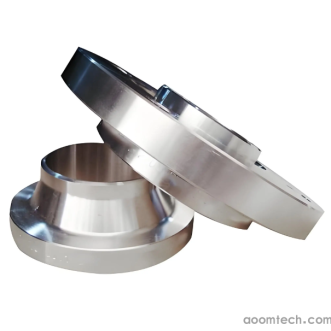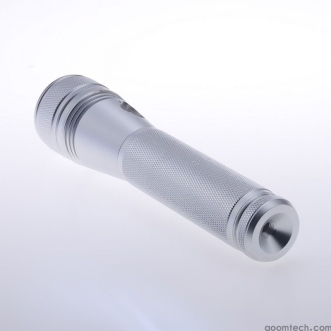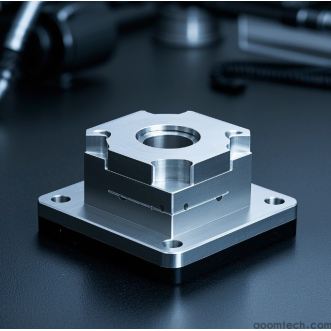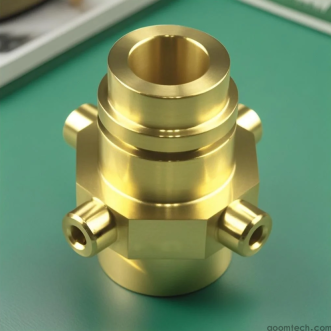
CNC Machining High-end Bearing Parts
CNC Machining High-end Bearing Parts
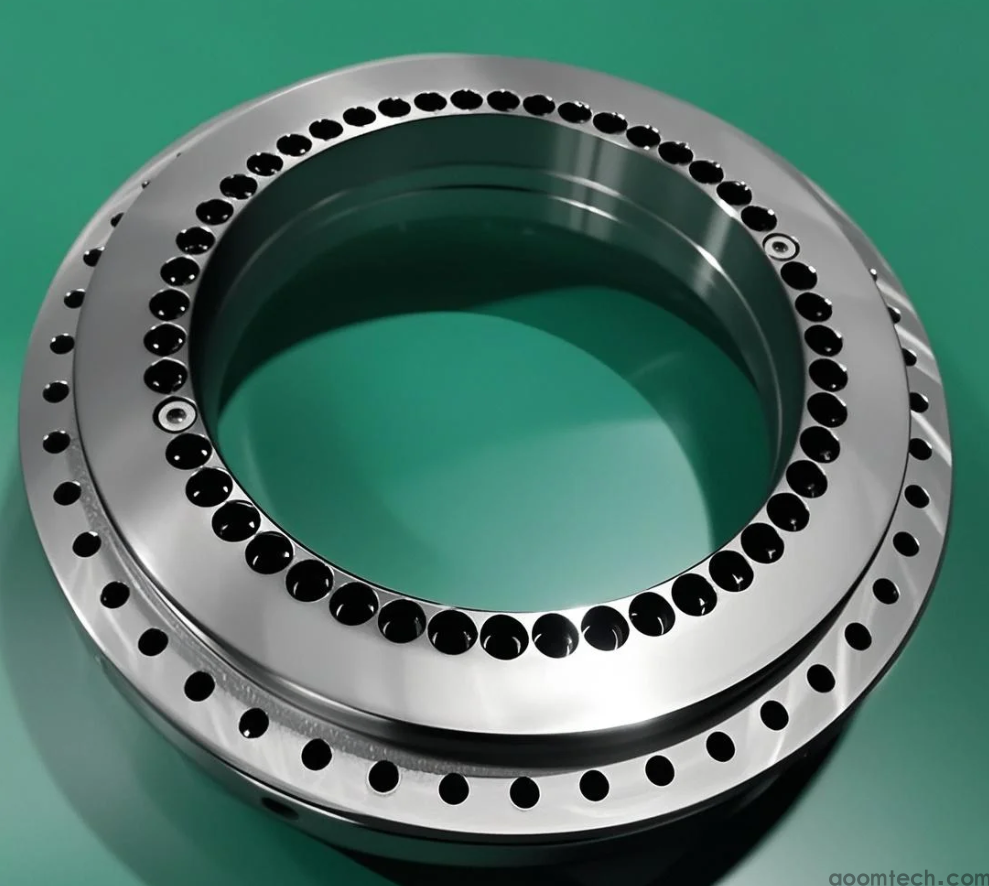
CNC Machining High-end Bearing Parts plays a critical role in modern precision engineering. High-end bearings are essential components used in machines that require smooth, fast, and reliable rotation. These include aerospace systems, automotive engines, robotics, and high-speed industrial equipment. The performance of these machines depends heavily on the accuracy and quality of their bearing parts. Even the smallest deviation in a bearing component can lead to vibration, heat generation, noise, or complete system failure.
Introduction to CNC Machining High-end Bearing Parts
The Significance of CNC Machining for High-end Bearing Parts
CNC (Computer Numerical Control) machining of high-end bearing parts is extremely important in industries where precision and reliability cannot be compromised. Bearings support rotational movement and reduce friction between moving parts. In high-performance systems, bearings must operate under high speed, heavy load, and sometimes extreme temperature conditions.
For example, in an aircraft engine, CNC-machined high-end bearing parts ensure smooth power transmission and reduce vibration during operation. In high-speed industrial machines, they maintain stable rotation and prevent premature wear. Without high-precision machining, these systems would suffer from inefficiency, breakdowns, and safety risks.
The CNC Machining Process for High-end Bearing Parts
Design and Engineering
The process of CNC machining high-end bearing parts begins with detailed design and engineering. Engineers use CAD (Computer-Aided Design) software to create precise 3D models of bearing components such as inner rings, outer rings, rolling elements, and cages.
These designs consider important performance requirements such as load capacity, rotational speed, lubrication conditions, and operating temperature. The geometry must be highly accurate because even a slight design flaw can cause uneven stress distribution, leading to early failure or reduced efficiency.
Design optimization for manufacturability is also essential. Engineers ensure that the part can be efficiently produced using CNC machines without compromising precision.
Material Selection
Material selection is a key step in CNC machining high-end bearing parts. Common materials include high-carbon chromium bearing steel, stainless steel, and specialized alloys.
Each material is chosen based on performance requirements:
High-carbon chromium steel: Excellent hardness and wear resistance for general high-load applications
Stainless steel: Suitable for corrosive environments such as marine or chemical industries
Special alloys: Used for extreme temperature or ultra-high-speed applications
Material properties such as hardness, fatigue strength, and thermal stability directly affect machining behavior, tool wear, and heat treatment requirements.
CNC Programming
In this stage, the CAD model is converted into a CNC program using CAM (Computer-Aided Manufacturing) software. This program includes toolpaths, cutting speeds, feed rates, and machining strategies.
For high-end bearing components, programming must be extremely precise. Complex geometries like bearing raceways require smooth tool movement to maintain accuracy and surface quality.
Incorrect programming can result in dimensional errors, poor surface finish, or functional failure of the bearing system.
Machine Setup and Tooling
Proper machine setup is essential for CNC Machining High-end Bearing Parts. CNC machines are equipped with high-precision fixtures and cutting tools before production begins.
Carbide tools or coated cutting tools are commonly used due to their high hardness and wear resistance. Machine parameters such as spindle speed, coolant flow, and feed rate are carefully adjusted according to material and design requirements.
A stable setup ensures accuracy, reduces vibration, and extends tool life, which is essential for maintaining consistent quality.
Machining Operations
Turning
Turning is used to produce cylindrical components such as bearing rings. The workpiece rotates while a cutting tool removes material to form precise inner and outer diameters.
Maintaining concentricity and surface finish is critical. Improper cutting conditions can lead to chatter, dimensional errors, or uneven surfaces, affecting bearing performance.
Grinding
Grinding is one of the most important processes in high-end bearing manufacturing. It is used to achieve extremely tight tolerances and smooth surface finishes.
Grinding wheels such as CBN (Cubic Boron Nitride) or diamond tools are often used for hardened materials. Proper control of wheel speed, feed rate, and depth of cut ensures high precision and reduces friction in final operation.
Milling (if applicable)
Milling may be used for specific features such as slots or keyways in bearing components. End mills or specialized cutters are selected depending on material hardness and geometry.
Accurate control of machining parameters is necessary to ensure proper fit and alignment of components in assembly.
Heat Treatment
Heat treatment improves mechanical properties such as hardness, toughness, and fatigue resistance. Common processes include quenching, tempering, and case hardening.
For example, quenching increases hardness, while tempering reduces brittleness. Improper heat treatment can lead to cracking, deformation, or reduced lifespan of the bearing parts.
Quality Control
Quality control is essential in CNC Machining High-end Bearing Parts. Since bearings are precision components, strict inspection is required at every stage.
Tools such as coordinate measuring machines (CMM), surface roughness testers, and roundness testers are used to verify accuracy.
Any part that does not meet tolerance standards is reworked or rejected to ensure reliable performance in final applications.
Finishing and Surface Treatment
Finishing processes such as polishing and lapping improve surface smoothness and reduce friction. Surface treatments like nitriding or shot peening enhance hardness, wear resistance, and fatigue strength.
These processes significantly extend the service life of high-end bearings and improve operational efficiency.
Key Factors in CNC Machining High-end Bearing Parts
Precision Requirements
High-end bearing parts require extremely tight tolerances in dimensions, roundness, and surface finish. Even micron-level deviations can impact performance.
Precision is maintained through advanced machines, regular calibration, and high-quality measuring equipment.
Tool Wear Management
Tool wear is a major challenge in machining hard bearing materials. Regular monitoring and timely replacement of cutting tools are necessary.
Using high-quality tools and optimized cutting conditions helps extend tool life and maintain machining accuracy.
Contamination Control
Cleanliness is critical. Dust, chips, or coolant contamination can damage bearing surfaces and reduce performance.
Proper chip removal systems, filtered coolant, and clean working environments are essential for high-quality production.
Benefits of CNC Machining High-end Bearing Parts
High Precision and Consistency
CNC machining ensures consistent and repeatable accuracy. This leads to smooth operation, reduced vibration, and longer service life of bearings.
Customization Capability
CNC machining allows manufacturers to produce customized bearing parts for specific applications, including unique load requirements or environmental conditions.
This flexibility is especially valuable in aerospace, robotics, and medical equipment industries.
Cost-effectiveness for Medium to Large Production
Once CNC programs are developed, production becomes highly efficient. This reduces labor cost and improves production consistency, making it cost-effective for large-scale manufacturing.
Challenges in CNC Machining High-end Bearing Parts
Meeting Strict Precision Standards
Achieving ultra-high precision requires advanced equipment, skilled operators, and strict process control. Continuous monitoring is essential to maintain quality.
High-cost Materials and Tools
High-performance bearing materials and cutting tools can be expensive. Manufacturers must balance cost with performance and tool efficiency.
Complex Manufacturing Process
The process involves multiple stages including machining, heat treatment, and finishing. Coordinating these steps requires careful planning and strong process control systems.
Ensuring High-quality CNC Machining of High-end Bearing Parts
Skilled Workforce
Experienced engineers, programmers, and operators are essential. Their knowledge ensures correct programming, machining, and inspection of precision parts.
Advanced Equipment
High-precision CNC machines, grinding systems, and inspection equipment are necessary to achieve required accuracy and performance standards.
Quality Management System
A strong quality management system ensures consistent production results. It includes process monitoring, statistical control, and continuous improvement practices.
Conclusion
CNC Machining High-end Bearing Parts is a highly specialized manufacturing process that requires precision, advanced technology, and strict quality control. From design and material selection to machining, heat treatment, and final inspection, every step plays a vital role in ensuring performance and reliability.
With increasing demand for high-speed and high-precision machinery, CNC machining will continue to be a key technology in producing high-quality bearing components for industries worldwide.
RELATED PRODUCTS
-
Metal Parts CNC Machining
-
CNC Machining Services for Flashlight Ho
-
Metal Parts CNC Machining Services
-
Brass Parts CNC Machining Services
-
Roller CNC Machining Services
-
CNC machining of high-precision parts
-
CNC Machining for Sprockets
-
CNC Machining for Turbine Parts
-
CNC Machining Service for Crankshafts
-
CNC Machining Service for Copper Blocks