CNC Machining Marine Engine Parts
CNC Machining Marine Engine Parts: Process, Benefits, Challenges, and Quality Assurance
Introduction to CNC Machining Marine Engine Parts
CNC Machining Marine Engine Parts plays a critical role in modern shipbuilding and marine engineering. Marine engines operate under extreme conditions, including high pressure, continuous vibration, heavy loads, and corrosive seawater environments. Because of these demands, every component must be strong, precise, and highly reliable.
CNC (Computer Numerical Control) machining provides the accuracy and consistency needed to manufacture complex marine engine components such as pistons, crankshafts, cylinder heads, and engine blocks. These parts directly affect the efficiency, safety, and long-term performance of marine vessels.
The Significance of CNC Machining in Marine Engine Parts
The importance of CNC machining in marine applications cannot be overstated. Even a small error in a marine engine part can lead to performance loss, fuel inefficiency, or serious mechanical failure.
High-precision manufacturing ensures that parts fit perfectly and function smoothly under harsh marine conditions. For example:
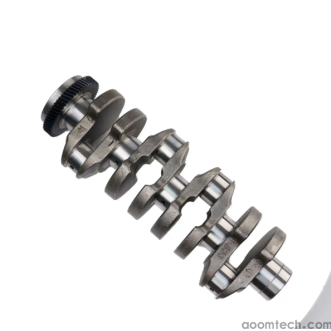
Crankshafts must maintain perfect balance to reduce vibration and wear.
Pistons must fit tightly within cylinders to maintain compression efficiency.
Cylinder heads must withstand high temperature and pressure cycles.
Without CNC precision, achieving these requirements would be extremely difficult using traditional machining methods.
The CNC Machining Process for Marine Engine Components
1. Design and Engineering
The process begins with CAD (Computer-Aided Design) modeling. Engineers create detailed 3D models based on engine performance requirements, load conditions, and operating environments.
A well-optimized design is essential. Poor design can lead to uneven wear, reduced engine efficiency, or even safety risks during operation.
2. Material Selection
Material selection is a key step in the process of CNC machining marine engine components. Marine environments require materials with high corrosion resistance, strength, and heat resistance.
Common materials include:
Stainless steel – for corrosion resistance
Nickel-based alloys – for high-temperature strength
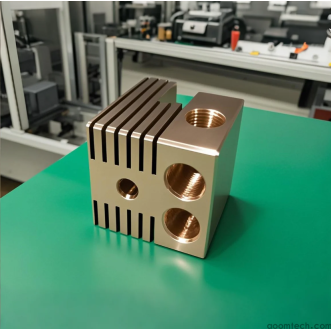
Aluminum bronze – for seawater exposure parts
Alloy steel – for high-stress components like crankshafts
3. CNC Programming
After design and material selection, CAM (Computer-Aided Manufacturing) software converts CAD models into machine instructions. These instructions control toolpaths, cutting speeds, feed rates, and machining depth.
Accurate programming ensures the part meets exact specifications. Incorrect programming may lead to poor surface finish or dimensional errors.
4. Machine Setup and Tooling
CNC machines must be properly configured before production begins. This includes selecting cutting tools, fixtures, and workholding systems.
Marine engine parts often require carbide tools or coated cutting tools due to their hardness and durability requirements. Proper setup ensures stability and machining accuracy.
5. Machining Operations
Milling
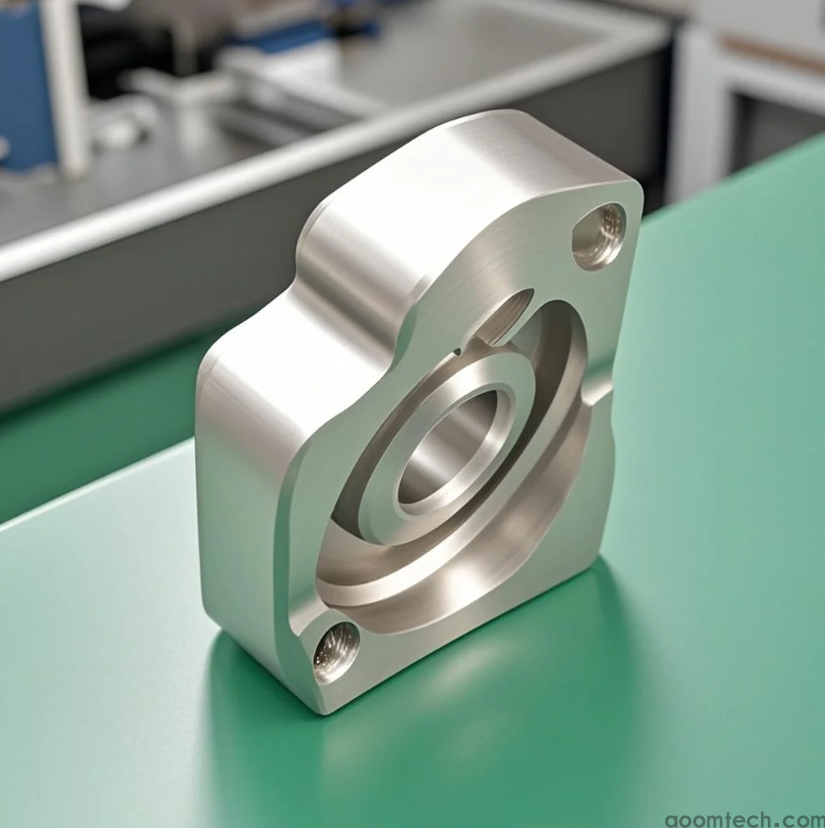
Milling is used to create flat surfaces, grooves, and complex shapes. Multi-axis CNC machines are often used for engine blocks and cylinder heads to achieve high precision.
Turning
Turning is essential for cylindrical components such as crankshafts and camshafts. The workpiece rotates while cutting tools shape the surface with high accuracy and smooth finish.
Drilling and Boring
Drilling creates holes for bolts, fuel systems, and lubrication channels. Boring improves hole accuracy and surface finish. Precision is critical to ensure correct engine assembly and operation.
6. Quality Control
Quality control is essential in CNC Machining Marine Engine Parts due to strict safety and performance requirements.
Inspection methods include:
Coordinate Measuring Machines (CMM)
Surface roughness testers
Hardness testing equipment
Any part that does not meet tolerance standards must be reworked or rejected to ensure engine reliability.
7. Finishing and Surface Treatment
Finishing processes such as polishing, grinding, and deburring improve surface quality and remove sharp edges.
Surface treatments like coating, anodizing, or plating enhance corrosion resistance and wear resistance, which is essential for marine environments.
Benefits of CNC Machining Marine Engine Parts
High Precision
CNC machining ensures extremely tight tolerances, which improves engine efficiency and reduces fuel consumption. This is one of the key benefits of CNC for marine engine parts.
Customization
Marine engines often require custom-designed components. CNC technology allows manufacturers to produce parts tailored to specific engine designs and operational needs.
Cost-Effective for Small Batch Production
CNC machining is ideal for small production runs, spare parts, and prototypes. It reduces setup costs and shortens production time compared to traditional methods.
Challenges in CNC Machining Marine Engine Products
Complex Geometries
Many marine engine parts have complex internal channels and curved surfaces. Multi-axis CNC machines are often required to achieve accurate results.
Tool Wear and Breakage
Hard materials used in marine applications can cause rapid tool wear. Using high-quality cutting tools and optimizing machining parameters helps reduce this issue.
Corrosion Resistance and Material Compatibility
Marine environments are highly corrosive. Selecting the right materials and using proper machining fluids is essential to prevent damage during production and operation.
These are common challenges in CNC machining marine engine products that require careful planning and expertise.
Ensuring High-Quality CNC Machining of Marine Engine Parts
Partnering with Experienced Manufacturers
Choosing experienced CNC manufacturers is essential for producing reliable marine engine parts. Experienced companies understand marine standards, material behavior, and precision requirements.
Continuous Process Improvement
Manufacturers should regularly improve machining processes, upgrade equipment, and train operators to maintain high quality and efficiency.
Collaboration with Engineers
Close cooperation between designers and machinists ensures that parts are both functional and manufacturable. This reduces errors and improves final product quality.
Conclusion
CNC Machining Marine Engine Parts is a vital technology in the marine industry. It ensures that engine components are precise, durable, and capable of performing in extreme conditions.
From design and material selection to machining, inspection, and finishing, every step must be carefully controlled. Despite challenges such as complex geometries and tool wear, CNC machining remains the most reliable and efficient solution for producing high-quality marine engine components.
By combining advanced technology, skilled engineering, and strict quality control, manufacturers can ensure safe and efficient marine engine performance for modern vessels.
RELATED PRODUCTS
-
Metal Parts CNC Machining
-
CNC Machining Services for Flashlight Ho
-
Metal Parts CNC Machining Services
-
Brass Parts CNC Machining Services
-
Roller CNC Machining Services
-
CNC machining of high-precision parts
-
CNC Machining for Sprockets
-
CNC Machining for Turbine Parts
-
CNC Machining Service for Crankshafts
-
CNC Machining Service for Copper Blocks