CNC Machining Manufacturing Services
CNC Machining Manufacturing Services: Complete Guide for Modern Production
CNC Machining Manufacturing Services are a foundation of today’s advanced manufacturing world. They enable industries to produce highly precise, reliable, and complex components used in everyday products and critical systems. From automotive engines to medical devices, these services ensure that parts meet strict performance and safety requirements.
Introduction to CNC Machining Manufacturing Services
The Significance of CNC Machining Manufacturing Services
CNC (Computer Numerical Control) machining manufacturing services play a crucial role in modern production systems. CNC machining uses computer-controlled machines to cut, shape, and finish raw materials into precise components.
These services are widely used in industries such as automotive, aerospace, electronics, and medical technology. For example, in the automotive industry, CNC-machined engine parts improve fuel efficiency and performance. In the medical field, high-precision surgical device components help ensure patient safety and successful treatments.
Because of its accuracy and repeatability, CNC machining has become essential for companies that require consistent quality and tight tolerances.
Services Offered in CNC Machining Manufacturing
Milling Services
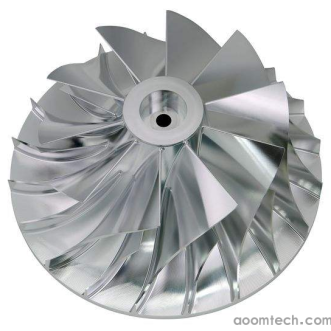
CNC milling involves a rotating cutting tool that removes material from a workpiece to create flat surfaces, grooves, holes, and complex 3D shapes. Common operations include face milling, end milling, and profile milling.
Different tools are selected based on material type and design requirements. For example, end mills with specific diameters and helix angles are used to improve cutting performance and surface quality.
Key machining parameters such as spindle speed, feed rate, and depth of cut directly affect accuracy and finish quality. Proper optimization ensures efficient production and high-quality results.
Keyword focus: CNC machining milling services details are essential for achieving precise shapes and consistent part quality in industrial applications.
Turning Services
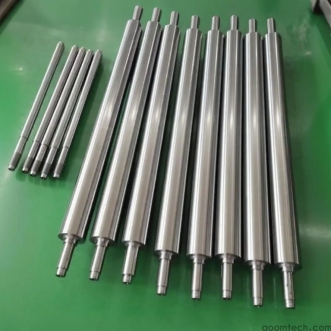
Turning is a machining process where the workpiece rotates while a cutting tool shapes its outer surface. It is commonly used to produce cylindrical components such as shafts, bushings, and threaded parts.
Carbide-tipped tools are often used for metal turning due to their durability and heat resistance. Maintaining concentricity and surface smoothness is critical in this process.
Adjusting cutting speed and feed rate helps prevent issues like vibration (chatter) and ensures dimensional accuracy.
Keyword focus: benefits of CNC turning in manufacturing include high precision, smooth surface finishes, and efficient mass production of cylindrical parts.
Drilling and Boring Services
Drilling creates holes for fasteners, assembly, or fluid flow. Boring is used to enlarge or refine existing holes to achieve precise dimensions and smooth internal surfaces.
Tool selection depends on material type and required accuracy. Proper spindle speed and feed rate settings are essential to avoid tool damage and ensure clean hole formation.
Accurate hole positioning is critical for proper assembly and product functionality.
Grinding Services
Grinding is used to achieve extremely fine surface finishes and high dimensional accuracy. It is often applied when tight tolerances are required.
Common types include surface grinding, cylindrical grinding, and internal grinding. Grinding wheels are selected based on hardness and material type to ensure efficient material removal and surface quality.
Finishing and Surface Treatment Services
Finishing processes improve both appearance and performance. These include deburring, polishing, anodizing, and plating.
Deburring removes sharp edges, polishing enhances surface smoothness, and plating improves corrosion and wear resistance. These treatments are widely used in automotive, aerospace, and consumer product industries.
The CNC Machining Manufacturing Process
Design and Engineering
The process begins with CAD (Computer-Aided Design) modeling. Engineers create detailed 3D designs that define part geometry, function, and stress requirements.
Design optimization ensures that parts can be efficiently manufactured using CNC machines while maintaining performance standards. Poor design can lead to production errors or product failure.
Material Selection
Material selection is based on application requirements such as strength, corrosion resistance, weight, and cost.
Aluminum: lightweight and corrosion-resistant
Steel: strong and durable for heavy-duty applications
Stainless steel: excellent corrosion resistance for medical and food industries
Plastics: lightweight and cost-effective for non-structural parts
Each material affects machining speed, tool wear, and surface finish quality.
CNC Programming
CAD models are converted into machine instructions using CAM (Computer-Aided Manufacturing) software. These instructions define tool paths, cutting speeds, and machining strategies.
Accurate programming ensures that the final part matches the design specifications. Errors in programming may lead to dimensional inaccuracies or poor surface finish.
Machine Setup and Tooling
Machine setup involves selecting and installing tools, fixtures, and workholding devices. Proper setup ensures stability and precision during machining.
Incorrect tooling or poor fixture design can result in vibration, tool wear, or defective parts.
Machining and Quality Control
Once setup is complete, CNC machines execute programmed instructions to produce parts automatically.
Quality control is performed throughout production using measuring tools such as calipers, micrometers, and coordinate measuring machines (CMMs).
Non-conforming parts are identified and either reworked or discarded to maintain quality standards.
Benefits of CNC Machining Manufacturing Services
High Precision
CNC machining provides extremely tight tolerances and consistent accuracy. This is essential for industries where even small deviations can affect performance.
For example, in high-end audio equipment, precisely machined components improve sound clarity and stability.
Customization
CNC machining allows full customization of parts based on design requirements. This flexibility supports innovation in industries such as automotive design and consumer electronics.
Cost-Effectiveness for Small-Batch Production
Unlike traditional manufacturing methods, CNC machining is highly cost-effective for small and medium production runs. This makes it ideal for startups and prototype development.
Efficiency and Productivity
Once programmed, CNC machines can operate continuously with minimal human intervention. This increases production speed and reduces labor costs while maintaining consistent quality.
Challenges in CNC Machining Manufacturing Services
Tool Wear and Breakage
Cutting tools gradually wear out due to heat and friction, especially when machining hard materials. Tool breakage can disrupt production and increase costs.
Solutions include using high-quality tools, monitoring wear regularly, and optimizing cutting parameters to extend tool life.
Meeting Tight Deadlines
Manufacturers often face strict delivery schedules. Delays can affect entire production chains.
Efficient planning, backup tooling, and clear communication with clients help ensure on-time delivery.
Cost Management
CNC machining involves material, tooling, machine, and labor costs. Managing these effectively is essential for profitability.
Process optimization and waste reduction help control expenses without compromising quality.
Choosing the Right CNC Machining Manufacturing Service Provider
Experience and Expertise
Experienced providers are more likely to handle complex projects successfully. Reviewing past projects and industry experience helps evaluate capability.
Quality Assurance
A reliable provider should have strong quality control systems, including ISO 9001 certification. This ensures consistent production standards and traceability.
Range of Services and Capabilities
Providers offering multiple machining processes (milling, turning, drilling, finishing) can handle diverse project requirements more efficiently.
Cost and Pricing Transparency
Clear and detailed quotations help customers understand cost structure. Transparent pricing improves trust and avoids hidden charges.
Customer Reviews and References
Customer feedback and references provide real-world insights into reliability, delivery performance, and product quality. Reviewing multiple sources helps ensure informed decision-making.
Conclusion
CNC Machining Manufacturing Services are essential for modern industries that require precision, efficiency, and customization. From design and material selection to machining and quality control, each step plays a vital role in ensuring high-quality results.
Despite challenges such as tool wear and cost management, advancements in technology and process optimization continue to improve performance and reliability. By selecting the right service provider, businesses can achieve consistent quality, reduce production risks, and enhance product competitiveness in global markets.
RELATED PRODUCTS
-
Metal Parts CNC Machining
-
CNC Machining Services for Flashlight Ho
-
Metal Parts CNC Machining Services
-
Brass Parts CNC Machining Services
-
Roller CNC Machining Services
-
CNC machining of high-precision parts
-
CNC Machining for Sprockets
-
CNC Machining for Turbine Parts
-
CNC Machining Service for Crankshafts
-
CNC Machining Service for Copper Blocks