CNC Machining Metal Parts
CNC Machining Metal Parts
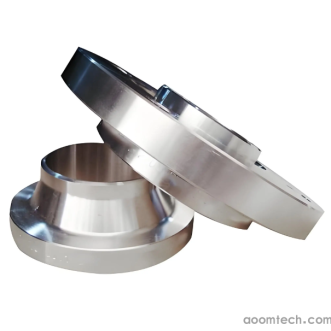
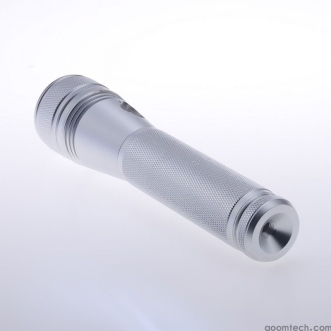
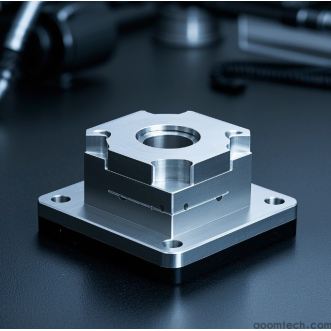
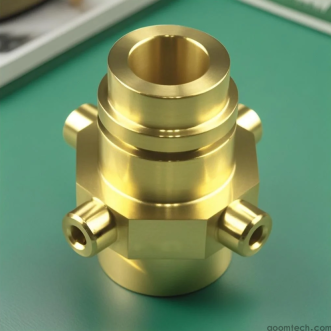
CNC Machining Metal Parts is a modern manufacturing method used to produce highly accurate and durable metal components. It plays a key role in industries such as automotive, aerospace, electronics, medical equipment, and general machinery. By using computer-controlled machines, manufacturers can create complex metal parts with consistent quality, tight tolerances, and excellent surface finishes.
Introduction to CNC Machining Metal Parts
The Significance of Metal Parts in Various Industries
Metal parts are essential in almost every industry. They are used in both large machines and small precision devices. Without them, many modern products would not function properly.
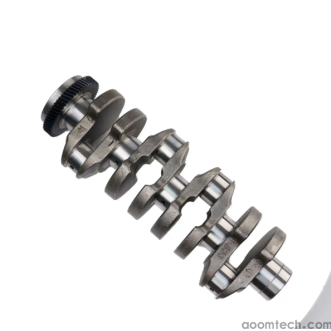
For example, in the automotive industry, engine blocks, transmission components, and braking system parts are made of metal. In aerospace, turbine blades and structural components must withstand extreme temperature and pressure. In electronics, metal casings protect sensitive internal components and help with heat dissipation.
These examples show how important metal components are for safety, performance, and reliability in end products. That is why CNC Machining Metal Parts is widely used to ensure high-quality production.
Importance of CNC Machining for Metal Parts
Precision Manufacturing
CNC machining allows manufacturers to produce metal parts with extremely high precision. Every cut is controlled by computer programming, which ensures consistent dimensions and tight tolerances.
This precision is critical because metal parts often need to fit together perfectly. Even a small error can lead to serious problems such as machine failure, vibration, or reduced efficiency.
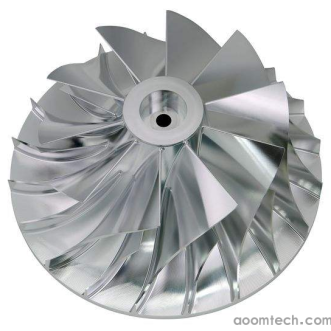
For example, if a turbine blade in an aircraft engine is not manufactured accurately, it can create imbalance during rotation. This may lead to damage or even engine failure. High precision in CNC machining helps prevent such risks and improves overall safety and performance.
Customization for Diverse Applications
CNC machining offers strong flexibility in design. It allows manufacturers to produce custom metal parts based on specific requirements such as shape, size, material, and surface finish.
For instance, a medical device may require a small metal component with a complex internal structure for fluid control. A specialized industrial machine may need a uniquely shaped bracket or connector. CNC machining makes it possible to produce these parts accurately without expensive tooling changes.
Cost-Effectiveness for Batch Production
In mass production, CNC machining becomes highly cost-effective. Once the CNC program is created and tested, it can be used to produce thousands of identical parts with minimal variation.
This reduces labor costs, setup time, and material waste. As a result, the cost per unit decreases significantly in large production runs.
For example, in construction, thousands of identical metal fasteners can be produced efficiently using CNC machining, making it more economical than many traditional methods.
CNC Machining Processes for Metal Parts
Milling
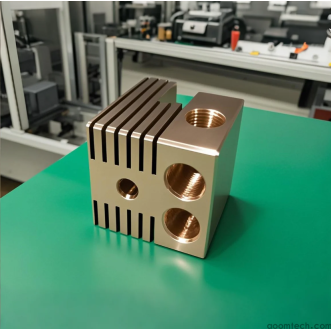
CNC milling for metal parts is one of the most common machining processes. In milling, a rotating cutting tool removes material from a stationary metal workpiece. This process is used to create flat surfaces, grooves, slots, and complex 3D shapes.
The selection of cutting tools depends on the type of metal and the design of the part. For example, aluminum requires different tools and cutting speeds compared to hardened steel.
Key parameters such as spindle speed, feed rate, and depth of cut must be carefully controlled. Proper setup ensures high accuracy and a smooth surface finish. High-quality tools are essential to reduce wear and maintain precision.
Turning
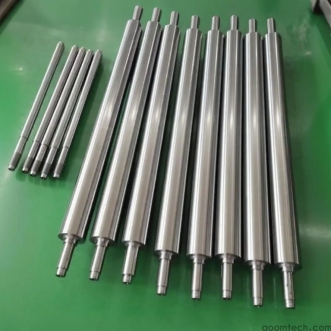
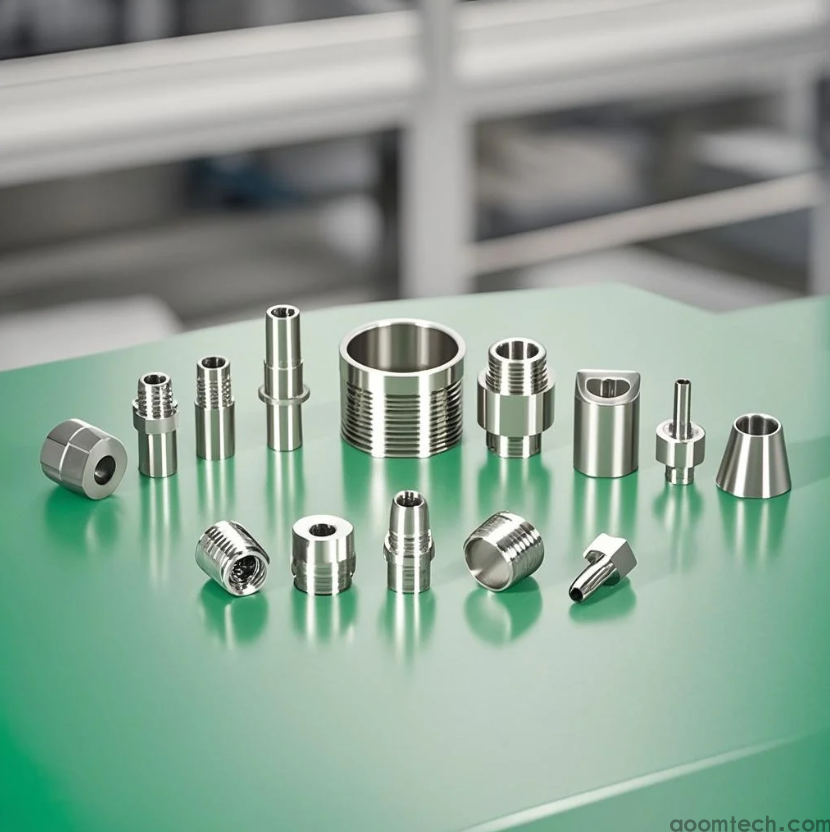
Turning is used to produce cylindrical metal parts such as shafts, rods, and threaded components. In this process, the workpiece rotates while the cutting tool removes material.
Maintaining concentricity is important in turning operations. If the center alignment is not accurate, the final part may not function properly in assembly.
Different metals require different cutting tools and speeds. For example, titanium requires slower speeds and stronger tools due to its high strength and heat resistance. Proper chip control and tool maintenance are also important for stable production.
Drilling
Drilling is used to create holes in metal parts. These holes may be used for assembly, fastening, fluid flow, or weight reduction.
Accuracy in hole placement is extremely important. Even small errors can affect the fit and function of the final product.
Different drill types are used depending on the material. Proper cooling and feed control help prevent overheating and tool damage during drilling operations.
Materials Used in CNC Machining of Metal Parts
Aluminum
Aluminum is widely used in materials for CNC-machined metal components because it is lightweight, corrosion-resistant, and easy to machine. It is commonly found in aerospace, automotive, and electronics applications.
However, aluminum can be soft, which may cause tool deflection or chip buildup during machining. These issues can be managed by using sharp tools, proper cutting speeds, and effective cooling systems.
Steel
Steel is one of the most common materials in CNC machining. It comes in different types, including carbon steel, alloy steel, and stainless steel.
Carbon steel: strong and cost-effective
Alloy steel: improved strength and durability
Stainless steel: excellent corrosion resistance
Each type requires specific machining parameters due to differences in hardness and toughness.
Titanium
Titanium is known for its high strength-to-weight ratio, corrosion resistance, and biocompatibility. It is widely used in aerospace and medical applications.
However, titanium is difficult to machine due to its low thermal conductivity and high strength. Special cutting tools, slower speeds, and advanced cooling techniques are required to achieve good results.
Challenges in CNC Machining of Metal Parts
Tool Wear and Breakage
Metal machining can cause significant tool wear, especially when working with hard materials like steel or titanium. Small or complex tools may also break under high stress.
To reduce these risks, manufacturers use high-quality carbide or coated tools, monitor tool condition regularly, and optimize cutting paths to reduce stress.
Heat Generation
Heat is a common challenge in metal machining. Excess heat can damage tools and cause dimensional changes in the workpiece.
Effective cooling systems, proper cutting speeds, and heat-resistant tools help control temperature during machining operations.
Surface Finish and Dimensional Accuracy
Achieving smooth surface finishes and precise dimensions is essential for metal parts. Poor surface quality can affect performance, while dimensional errors can lead to assembly issues.
Post-processing methods such as polishing, grinding, and lapping are often used to improve final quality. Careful process control during machining also plays a key role.
Choosing a CNC Machining Service for Metal Parts
Technical Expertise
When choosing a service for CNC machining metal parts, technical expertise is one of the most important factors. A reliable provider should understand different metals, machining processes, and industry requirements.
You can evaluate expertise by reviewing past projects, checking certifications, and examining sample parts. Experience in industries such as aerospace or medical manufacturing is often a strong indicator of capability.
Quality Assurance
A strong quality control system ensures that every part meets required specifications. Professional CNC service providers use advanced inspection tools such as coordinate measuring machines (CMM), hardness testers, and surface measurement devices.
Quality control typically includes in-process inspection and final product inspection. Non-conforming parts should be identified and corrected before delivery to ensure reliability.
Cost-Effectiveness and Lead Times
While cost is important, it should not compromise quality. A good CNC machining provider offers competitive pricing while maintaining high standards.
Fast and reliable lead times are also essential, especially for industries with strict production schedules. Comparing multiple suppliers and reviewing their delivery history can help in making the right choice.
Conclusion
CNC Machining Metal Parts is a critical manufacturing technology that supports modern industry. It provides high precision, customization, and efficiency for producing metal components used in many applications.
By understanding machining processes, materials, challenges, and supplier selection, businesses can make better decisions and achieve higher product quality. As technology continues to improve, CNC machining will remain a key solution for advanced metal part manufacturing worldwide.
RELATED PRODUCTS
-
Metal Parts CNC Machining
-
CNC Machining Services for Flashlight Ho
-
Metal Parts CNC Machining Services
-
Brass Parts CNC Machining Services
-
Roller CNC Machining Services
-
CNC machining of high-precision parts
-
CNC Machining for Sprockets
-
CNC Machining for Turbine Parts
-
CNC Machining Service for Crankshafts
-
CNC Machining Service for Copper Blocks