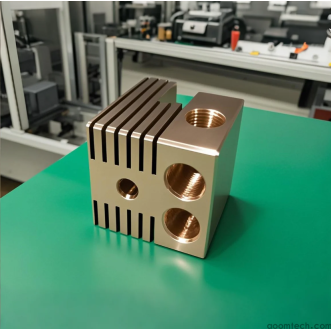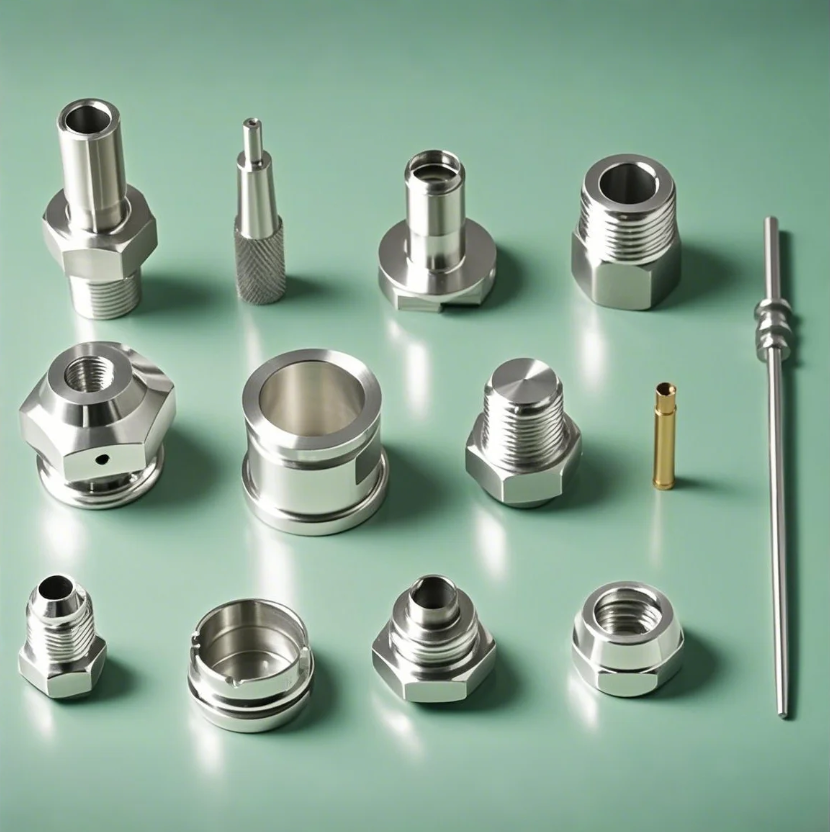
CNC Outsourcing Machining Services
CNC Outsourcing Machining Services: A Complete Guide for Modern Manufacturing
Introduction to CNC Outsourcing Machining Services
CNC Outsourcing Machining Services refer to the practice of hiring an external company to produce machined parts using CNC (Computer Numerical Control) technology. Instead of investing in expensive machines, hiring skilled operators, and building an in-house workshop, businesses send their designs to a specialized machining provider.
This approach has become essential in modern manufacturing. Industries such as automotive, aerospace, medical, and electronics rely on CNC Outsourcing Machining Services to produce precise and high-quality components without increasing internal production costs.
For example, a small electronics startup may need complex aluminum housings for a new device. Instead of building a factory, the company can rely on an outsourcing partner to produce accurate parts quickly and efficiently.
Benefits of CNC Outsourcing Machining Services
Cost Savings
One of the biggest benefits of CNC outsourcing machining is cost reduction. Companies do not need to invest in CNC machines, maintenance, tooling, or operator training. These costs can be extremely high, especially for small and medium-sized businesses.
Outsourcing providers also operate at scale, meaning they can offer more competitive pricing per part. For example, a startup automotive company can reduce its initial investment significantly by outsourcing machining instead of building a full production line.
Access to Specialized Expertise and Equipment
CNC outsourcing providers often have advanced machinery such as 5-axis CNC machines, high-speed milling systems, and precision turning centers. They also employ experienced engineers and machinists.
This gives businesses access to high-level capabilities without purchasing expensive equipment. For example, aerospace companies often rely on outsourcing partners to manufacture complex turbine or structural components that require extreme precision.
Flexibility and Scalability
Another major advantage is flexibility. Businesses can easily increase or decrease production volume based on demand. This is especially useful for seasonal products or fast-changing markets.
For instance, a consumer electronics company launching a new product can scale up production through CNC Outsourcing Machining Services during peak demand and reduce orders later without financial risk.
Faster Time-to-Market
Speed is critical in competitive industries. Outsourcing providers are already optimized for production, meaning they can start machining quickly and deliver parts faster than most in-house workshops.
This helps companies bring products to market faster. Many tech startups rely on outsourcing to shorten development cycles and launch products ahead of competitors.
How to Choose a CNC Outsourcing Machining Service Provider
Experience and Reputation
When selecting a provider, experience matters. A company with years of CNC machining experience is more likely to handle complex designs and avoid production errors.
To evaluate reputation, check customer reviews, case studies, and industry feedback. Reliable providers often have proven experience in industries like automotive or medical manufacturing.
Quality Assurance
A strong quality control system is essential when choosing a CNC outsourcing provider. Look for companies that follow strict inspection processes, including material checks, in-process inspection, and final product testing.
Certifications such as ISO 9001 are also strong indicators of quality management. These standards ensure consistent production and reliable results.
Range of Services and Capabilities
A good provider should offer a wide range of machining services such as milling, turning, drilling, and surface finishing. They should also be able to work with different materials like aluminum, stainless steel, copper, and engineering plastics.
Choosing a versatile provider reduces the need to work with multiple suppliers, making production more efficient and cost-effective.
Cost and Pricing Transparency
Clear pricing is essential. A trustworthy provider should offer detailed quotations that break down material costs, machining time, finishing processes, and shipping fees.
While price is important, it should not be the only factor. Always consider quality, delivery time, and service reliability when comparing suppliers.
Communication and Customer Service
Good communication is a key factor in successful outsourcing. Providers should respond quickly, understand your requirements clearly, and provide regular updates.
Poor communication can lead to production errors, delays, and misunderstandings. A reliable CNC outsourcing partner will maintain transparent and consistent communication throughout the project.
Challenges in CNC Outsourcing Machining Services
Quality Control
One of the main challenges in CNC machining outsourcing is maintaining consistent quality. Since production happens externally, it is harder to directly supervise every step.
To solve this, companies should define clear quality standards, request inspection reports, and conduct periodic audits or site visits when possible.
Intellectual Property Protection
Outsourcing often requires sharing sensitive design files. This creates risks related to intellectual property protection.
To reduce risk, companies should sign non-disclosure agreements (NDAs), choose trusted suppliers, and limit access to critical design information when possible.
Communication Barriers
Working with overseas suppliers may create challenges such as language differences, time zone gaps, and cultural misunderstandings.
These issues can be reduced by setting clear communication schedules, using simple technical documentation, and assigning dedicated project managers.
Tips for a Successful CNC Outsourcing Experience
Clear Communication from the Start
Successful outsourcing begins with clear communication. Provide complete technical drawings, material specifications, tolerance requirements, and expected delivery timelines.
A video call or technical meeting at the beginning of the project helps both sides understand expectations and avoid confusion later.
Regular Monitoring and Feedback
Stay involved during production. Request progress updates and review sample parts when needed. Early feedback helps prevent large-scale production errors.
For critical projects, weekly updates or milestone checks are often recommended.
Build a Long-Term Relationship
Long-term cooperation with a trusted provider brings many advantages. The supplier becomes familiar with your standards, reducing mistakes and improving efficiency over time.
In addition, long-term partnerships often lead to better pricing, priority scheduling, and improved technical support.
Conclusion
CNC Outsourcing Machining Services play a vital role in modern manufacturing. They allow companies to reduce costs, access advanced technology, improve production flexibility, and accelerate product development.
By understanding the benefits of CNC outsourcing machining, carefully selecting a provider, and managing communication effectively, businesses can achieve high-quality results with lower operational risk.
While challenges such as quality control and communication barriers exist, they can be managed with proper planning and strong partnerships. For many companies, outsourcing CNC machining is not just a cost-saving solution—it is a strategic advantage in a competitive global market.
RELATED PRODUCTS
-
Metal Parts CNC Machining
-
CNC Machining Services for Flashlight Ho
-
Metal Parts CNC Machining Services
-
Brass Parts CNC Machining Services
-
Roller CNC Machining Services
-
CNC machining of high-precision parts
-
CNC Machining for Sprockets
-
CNC Machining for Turbine Parts
-
CNC Machining Service for Crankshafts
-
CNC Machining Service for Copper Blocks