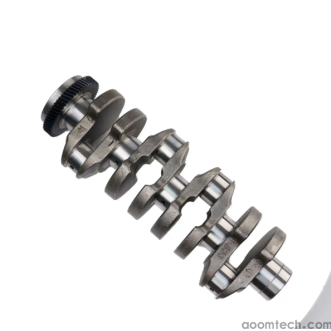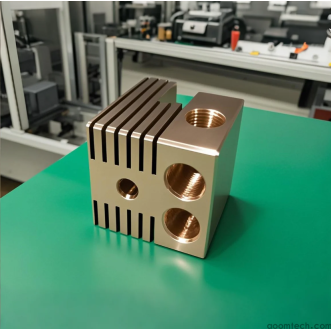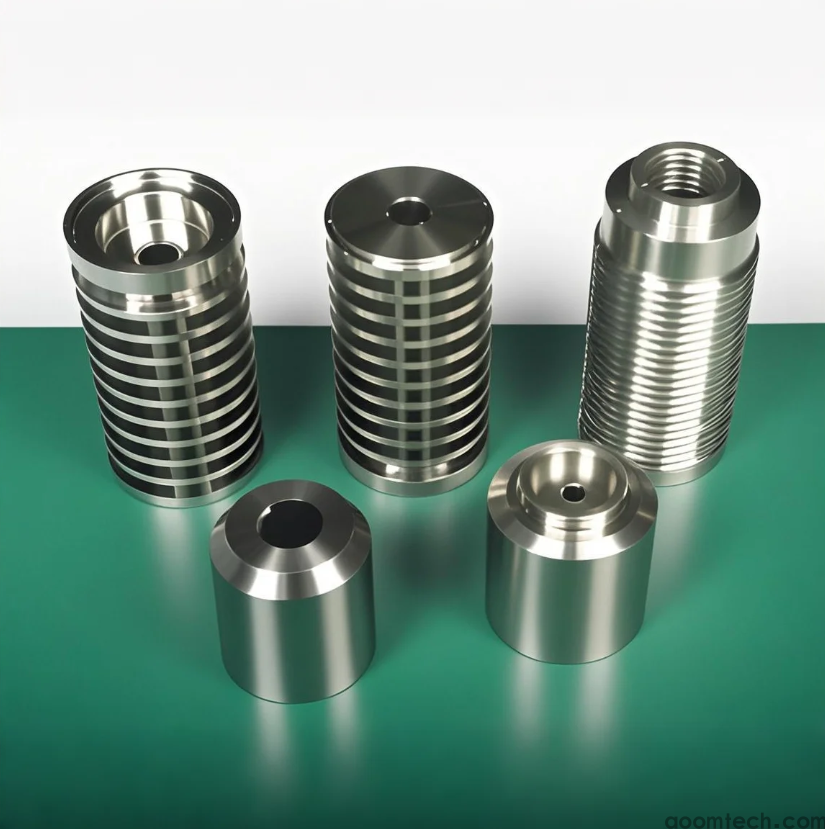
CNC Precision Machining of Metal Hardware Services
CNC Precision Machining of Metal Hardware Services
CNC Precision Machining of Metal Hardware Services plays a key role in modern manufacturing. It is widely used to produce accurate, durable, and high-performance metal parts that are essential for industries such as automotive, aerospace, electronics, construction, and industrial equipment. This article explains the process, types of metal hardware, benefits, key considerations, and how to choose a reliable service provider.
Introduction to CNC Precision Machining of Metal Hardware Services
The Significance of CNC Precision Machining for Metal Hardware
CNC (Computer Numerical Control) precision machining of metal hardware services is extremely important in today’s industrial world. Metal hardware parts are the foundation of many products, from machines and electronic devices to buildings and vehicles. Even a small error in size or shape can lead to system failure or poor performance.
For example, in a high-performance sports car, precisely machined metal hardware such as engine valves, shafts, and transmission gears ensure smooth power transfer and efficient operation. In aerospace systems, even tiny metal brackets or connectors must meet strict precision standards to guarantee safety and reliability.
The CNC Precision Machining Process for Metal Hardware
Design and Engineering
The process begins with design and engineering. Engineers use CAD (Computer-Aided Design) software to create detailed 3D models of the metal hardware parts. These models define dimensions, tolerances, load requirements, and functional features.
Good design is essential. A poorly designed metal part may fail under stress or not fit correctly during assembly. Therefore, designs are optimized for both function and manufacturability before production begins.
Material Selection
Material selection is a critical step in the process of CNC precision machining metal hardware. Different metals offer different properties:
Steel: High strength and durability, suitable for heavy-load applications.
Aluminum: Lightweight and corrosion-resistant, ideal for aerospace and electronics.
Brass: Good machinability and electrical conductivity, used in connectors.
Titanium: High strength-to-weight ratio and excellent corrosion resistance for aerospace and medical uses.
Choosing the right material affects machining speed, tool wear, cost, and final performance.
CNC Programming
After design, the CAD model is converted into a CNC program using CAM (Computer-Aided Manufacturing) software. This program contains instructions such as toolpaths, cutting speed, feed rate, and depth of cut.
Accurate programming is essential. Incorrect instructions can result in poor surface finish, incorrect dimensions, or even part failure during production.
Machine Setup and Tooling
In this stage, the CNC machine is prepared with the correct cutting tools, fixtures, and work-holding devices. Carbide tools are often used for metal hardware due to their hardness and wear resistance.
Proper setup ensures stable machining performance. Incorrect tooling can lead to vibration, tool breakage, and low-quality parts.
Machining Operations
Milling
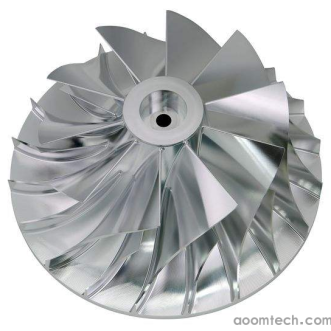
Milling uses rotating cutting tools to remove material and create flat surfaces, slots, and complex 3D shapes. Cutting parameters such as spindle speed and feed rate must be adjusted based on metal hardness.
Turning
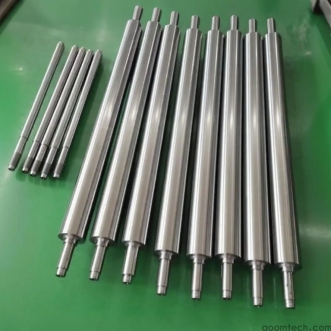
Turning is used to produce cylindrical metal hardware such as shafts and bushings. The workpiece rotates while the cutting tool shapes its outer surface. Precision is important to maintain concentricity and smooth surface finish.
Drilling and Boring
Drilling creates holes for bolts, screws, or fluid systems, while boring refines holes to precise dimensions. Accurate hole placement is essential for proper assembly and functionality.
Heat Treatment (If Required)
Some metal hardware parts require heat treatment to improve strength, hardness, or toughness. Processes include:
Annealing: Softens metal and improves machinability.
Quenching: Increases hardness but may create internal stress.
Tempering: Reduces brittleness after quenching.
Improper heat treatment can negatively affect part performance, making this step highly important.
Quality Control
Quality control ensures that all CNC-machined metal hardware meets strict standards. Engineers use tools such as calipers, micrometers, and surface testers to verify accuracy.
Parts that do not meet specifications are reworked or discarded. This ensures that only high-quality components are delivered to customers.
Finishing and Surface Treatment
Finishing processes such as grinding, polishing, and deburring improve surface quality and remove sharp edges. Surface treatments like anodizing, plating, or painting improve corrosion resistance and appearance.
Types of Metal Hardware in CNC Precision Machining
Fasteners
Fasteners include bolts, nuts, screws, and rivets. CNC machining ensures accurate thread formation and consistent dimensions, which are essential for secure assembly in construction, automotive, and electronics industries.
Connectors
Connectors are used in electrical and mechanical systems. CNC precision machining ensures tight tolerances for reliable performance, especially in electronics and industrial systems.
Structural Components
Structural parts such as brackets, frames, and supports must withstand heavy loads. CNC machining ensures these parts have accurate geometry and high strength for safe operation in demanding environments.
Benefits of CNC Precision Machining for Metal Hardware Services
High Precision and Accuracy
CNC machining provides extremely tight tolerances and consistent results. This is essential for parts that must fit together perfectly in complex assemblies.
Customization Capability
One major advantage is customization. CNC systems can produce unique metal hardware parts based on specific design requirements, enabling innovation across industries.
Cost-Effectiveness for Medium to Large Production
Once the CNC program is set, production becomes efficient and repeatable. This reduces labor costs and material waste, making it cost-effective for larger batches.
Enhanced Durability and Performance
High precision, proper material selection, and surface treatments improve the durability and performance of metal hardware. This leads to longer product lifespan and better reliability.
Considerations When Choosing CNC Precision Machining Services
Experience and Reputation
Choose a service provider with proven experience in CNC precision machining of metal hardware. A strong track record ensures better quality and fewer production risks.
Quality Assurance and Certifications
Reliable providers should have strict quality control systems and certifications such as ISO 9001. These standards ensure consistent product quality and process control.
Range of Services and Capabilities
A good provider should offer multiple services, including machining, heat treatment, and surface finishing. This helps reduce lead time and ensures better coordination.
Cost and Pricing Structure
While cost is important, it should not compromise quality. Compare pricing from different suppliers and understand what is included, such as materials, machining, and finishing.
How to Choose the Right CNC Precision Machining Service Provider
When selecting a CNC machining partner for metal hardware, consider the following:
Review their past projects and technical capabilities
Check customer feedback and industry reputation
Confirm their ability to handle your required materials and tolerances
Evaluate communication speed and technical support
Request samples or prototypes before large orders
A reliable service provider will not only manufacture parts but also help optimize your design for better performance and cost efficiency.
Conclusion
CNC Precision Machining of Metal Hardware Services is a cornerstone of modern manufacturing. It ensures that metal components are produced with high accuracy, durability, and consistency. From design and material selection to machining, finishing, and quality control, every step contributes to the final performance of the part.
By understanding the process, types of hardware, benefits, and key selection factors, businesses can make informed decisions when choosing a CNC machining service provider. This leads to better product quality, improved efficiency, and long-term reliability in industrial applications.
RELATED PRODUCTS
-
Metal Parts CNC Machining
-
CNC Machining Services for Flashlight Ho
-
Metal Parts CNC Machining Services
-
Brass Parts CNC Machining Services
-
Roller CNC Machining Services
-
CNC machining of high-precision parts
-
CNC Machining for Sprockets
-
CNC Machining for Turbine Parts
-
CNC Machining Service for Crankshafts
-
CNC Machining Service for Copper Blocks