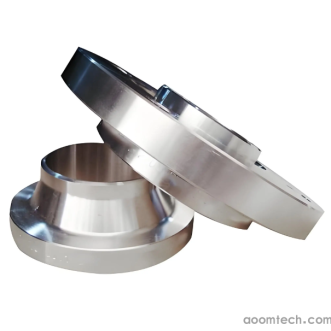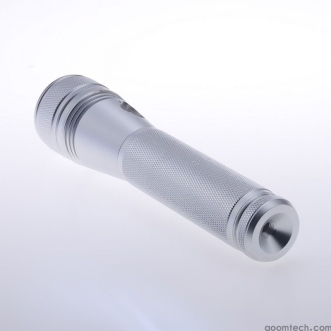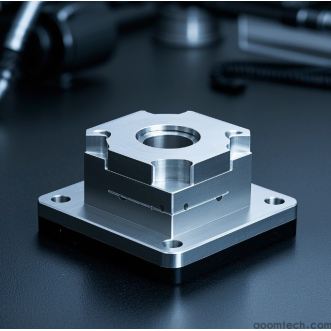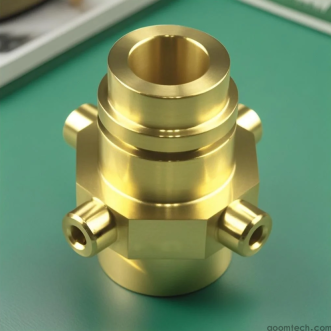
Rapid batch CNC machined parts
Rapid Batch CNC Machined Parts: Process, Benefits, Key Considerations, and Challenges
Rapid batch CNC machined parts play a critical role in modern manufacturing where speed, precision, and consistency are essential. In today’s global supply chain, industries cannot afford long production delays. From electronics and automotive to aerospace and industrial equipment, companies rely on fast and reliable production of multiple identical parts.
This article explains the process of rapid batch CNC machining, key considerations in production, benefits, and common challenges. It is written in simple language to help engineers, designers, students, and business owners understand how this manufacturing method works in real-world applications.
Introduction to Rapid Batch CNC Machined Parts
The Significance of Rapid Batch CNC Machining
Rapid batch CNC (Computer Numerical Control) machining refers to the fast production of multiple identical or similar parts using automated machining systems. It is especially important in industries where time-to-market is critical.
This manufacturing approach helps companies respond quickly to demand. Whether producing prototypes for testing or fulfilling urgent customer orders, rapid batch production ensures efficiency without sacrificing precision.
For example, a tech startup may need hundreds of custom aluminum enclosures for electronic devices within a short timeframe to test market response. Similarly, an automotive manufacturer may require fast production of replacement components to avoid assembly line delays.
The Process of Rapid Batch CNC Machining
Design and Engineering
The process begins with CAD (Computer-Aided Design) software, where engineers create detailed 3D models of the parts. These designs define geometry, dimensions, tolerances, and functional requirements.
At this stage, the design is optimized for manufacturability. Engineers consider tool access, machining paths, and material constraints to ensure efficient production. Poor design choices can lead to machining errors, increased costs, or even batch rejection.
A well-optimized design reduces machining time and improves consistency across the entire batch, which is essential in rapid batch CNC parts production.
Material Selection
Choosing the right material is a key step in the process of rapid batch CNC machining. Common materials include:
Metals: Aluminum, steel, titanium
Plastics: ABS, polycarbonate, nylon
Composites: Carbon fiber reinforced materials
Material selection depends on strength, weight, cost, and machinability. For example, aluminum is often used for lightweight and fast-machined parts, while steel is preferred for high-strength applications.
Different materials also affect tool wear, cutting speed, and surface finish, which directly influences production efficiency in batch machining.
CNC Programming
Once the design is finalized, it is converted into machine instructions using CAM (Computer-Aided Manufacturing) software. This step creates the CNC program, which includes toolpaths, spindle speeds, feed rates, and cutting depths.
Accurate programming is essential for maintaining consistency across all parts in the batch. Even small errors can result in dimensional inaccuracies or defective components.
In rapid production environments, programmers often optimize code to reduce cycle time while maintaining quality, improving overall production efficiency.
Machine Setup and Tooling
Machine setup involves preparing the CNC machine for production. This includes selecting and installing cutting tools, fixtures, and workholding devices.
Proper tooling is essential for maintaining accuracy and speed. In rapid batch CNC machining, tools must be durable enough to handle continuous operation without frequent replacement.
Incorrect setup can lead to tool breakage, poor surface quality, or dimensional errors, which may affect the entire batch.
Machining Operations
Milling
Milling is a common CNC operation where a rotating cutting tool removes material to form flat surfaces, grooves, or complex shapes. It is widely used in batch production due to its flexibility.
For aluminum parts, higher spindle speeds and faster feed rates are often used to improve productivity while maintaining a good surface finish.
Turning
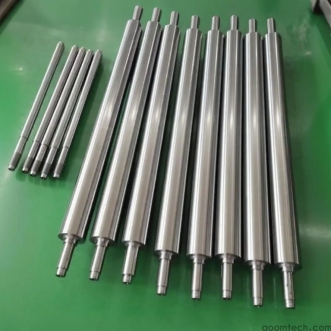
Turning is used to produce cylindrical parts such as shafts and bushings. The workpiece rotates while a stationary cutting tool shapes it.
Precision in turning is critical for ensuring roundness, smooth surface finish, and dimensional accuracy. Carbide tools are commonly used for harder materials like steel.
Drilling and Boring
Drilling creates holes, while boring refines them to precise dimensions. These operations are essential in most mechanical components, especially those requiring assembly with bolts or fasteners.
Accurate hole placement is crucial in batch production because errors can lead to large quantities of unusable parts.
Quality Control
Quality control ensures that every part in the batch meets required specifications. This includes in-process inspections and final quality checks using tools such as calipers, micrometers, and surface testers.
In rapid production, even small deviations must be detected early to prevent large-scale defects. If an issue is found, engineers must identify and correct the root cause immediately.
Key Considerations in Rapid Batch CNC Machining
Production Speed vs. Quality
One of the biggest challenges is balancing speed and quality. While fast production is important, poor quality can lead to waste and rework.
Manufacturers often improve both by using high-quality tools, optimizing cutting parameters, and performing regular machine maintenance.
Tool Management
Tool wear is a major factor in batch production. Worn tools reduce accuracy and surface quality.
Effective strategies include scheduled tool replacement, real-time monitoring, and using standardized tool sets to maintain consistency.
Workflow Optimization
Efficient workflow design reduces downtime and improves productivity. This includes grouping similar parts together, minimizing setup changes, and improving material handling systems.
Optimized workflows are essential for achieving high efficiency in key considerations in rapid batch CNC parts production.
Benefits of Rapid Batch CNC Machining
Quick Turnaround Time
One of the main advantages is fast production. Companies can meet tight deadlines and respond quickly to market demand or urgent orders.
Cost-Effectiveness for Medium Production Runs
Once setup and programming are complete, the cost per part decreases significantly. This makes rapid batch production ideal for medium-sized orders.
Reduced labor costs and minimal material waste also contribute to overall savings.
High Precision and Consistency
CNC systems ensure that every part is produced with high accuracy and uniformity. This is especially important in industries where components must fit together perfectly.
Consistent quality improves product reliability and reduces assembly issues.
Challenges in Rapid Batch CNC Machining
Initial Setup Costs
The initial cost of programming, tooling, and setup can be high. This includes engineering time and machine preparation.
However, these costs are often distributed across the batch, reducing the impact per part.
Complexity of Parts
Highly complex geometries require advanced programming and specialized tools. This can increase production time and difficulty.
Advanced CAD/CAM systems and skilled operators are essential to handle such complexity efficiently.
Production Volume Variability
Changes in batch size during production can disrupt workflow and planning. Flexible production systems are needed to adapt quickly.
Good communication between customers and manufacturers helps reduce this issue.
Conclusion: Mastering Rapid Batch CNC Machining
Rapid batch CNC machined parts are essential in modern manufacturing, offering a balance of speed, precision, and efficiency. Understanding the full process—from design and material selection to machining and quality control—helps ensure successful production.
The benefits of rapid batch CNC machining for parts include fast turnaround, cost efficiency, and high consistency. However, challenges such as setup costs and complex designs must be carefully managed.
For best results, manufacturers should continuously improve workflows, invest in skilled operators, and use high-quality tools and software systems. By doing so, they can achieve reliable and scalable production in today’s competitive industrial environment.
RELATED PRODUCTS
-
Metal Parts CNC Machining
-
CNC Machining Services for Flashlight Ho
-
Metal Parts CNC Machining Services
-
Brass Parts CNC Machining Services
-
Roller CNC Machining Services
-
CNC machining of high-precision parts
-
CNC Machining for Sprockets
-
CNC Machining for Turbine Parts
-
CNC Machining Service for Crankshafts
-
CNC Machining Service for Copper Blocks