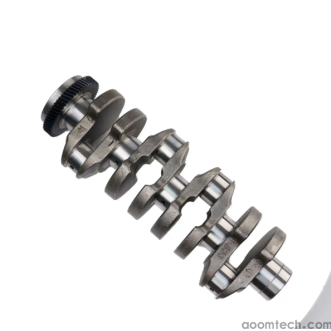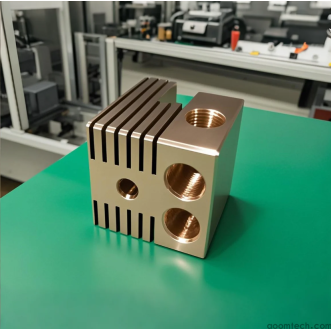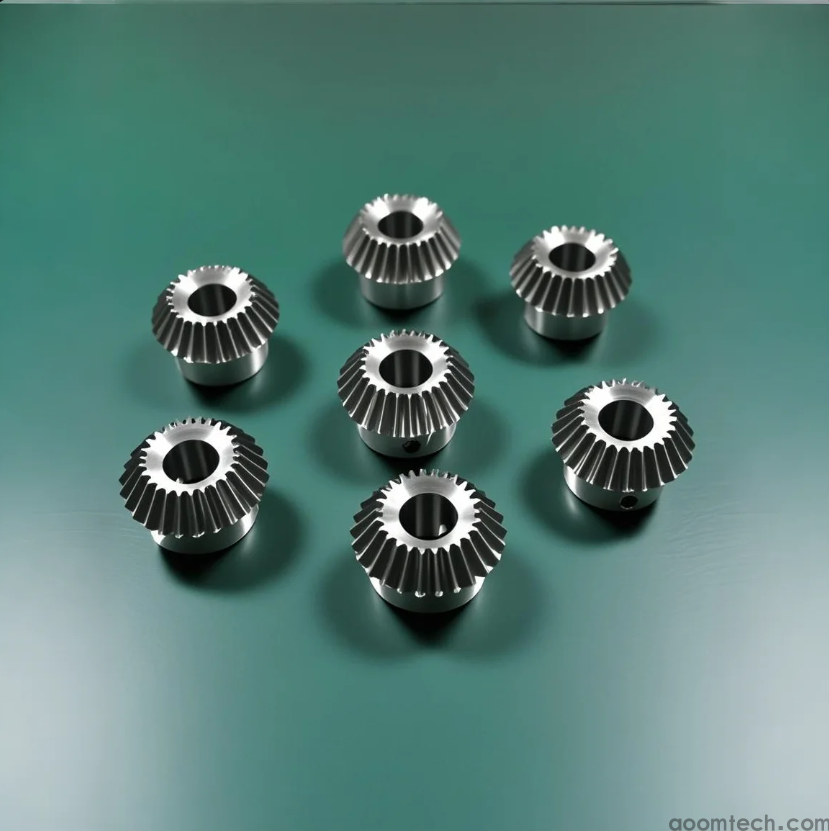
Small Batch CNC Machining Hardware Parts
Small Batch CNC Machining Hardware Parts
Small Batch CNC Machining Hardware Parts plays an important role in modern manufacturing, especially for companies that need limited quantities of precise and customized components. It combines flexibility, accuracy, and efficiency to support product development, prototyping, and niche production needs.
Introduction to Small Batch CNC Machining of Hardware Parts
The Significance of Small-Batch Production
Small-batch CNC (
This approach is especially useful for prototyping, product testing, and small-scale manufacturing. For example, a furniture startup may need a small batch of custom hinges or connectors to test product performance before moving into full-scale production. This helps reduce financial risk and allows fast design improvements based on real market feedback.
The CNC Machining Process for Small-Batch Hardware Parts
Design and Engineering
The process begins with design. Engineers use
Good design is essential because even small errors can lead to assembly issues or part failure. For example, an incorrectly placed bolt hole may prevent proper installation in a final product. Designs are also optimized for manufacturability to match CNC machine capabilities.
Material Selection
Material selection depends on the application of the hardware part. Common materials include steel, aluminum, brass, and engineering plastics.
Steel: High strength for heavy-load applications
Aluminum: Lightweight and corrosion-resistant
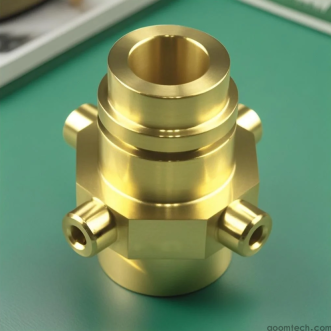
Brass: Good machinability and corrosion resistance
Plastics: Cost-effective and lightweight for non-structural parts
Each material affects machining speed, tool wear, and production cost. Choosing the right material ensures both performance and manufacturing efficiency.
CNC Programming
The CAD model is converted into machine instructions using
Accurate programming is critical. Incorrect settings may cause poor surface finish, incorrect dimensions, or even tool damage. In small-batch production, programming efficiency is especially important because setup changes occur frequently.
Machine Setup and Tooling
Before machining starts, the CNC machine is set up with appropriate cutting tools, fixtures, and workholding devices. Tool selection depends on material type and part geometry.
Proper setup ensures stability and accuracy during machining. Poor tooling or incorrect setup can lead to tool breakage, dimensional errors, and inconsistent quality—especially critical in small batch production where every part matters.
Machining Operations
Milling
Milling uses a rotating cutting tool to remove material and create shapes such as slots, holes, and flat surfaces. Tool selection and cutting parameters must match material hardness and part complexity.
Turning
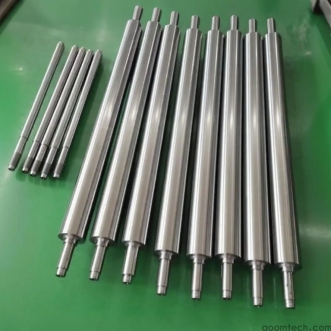
Turning is used for cylindrical parts like shafts and bushings. The workpiece rotates while the tool shapes its surface. Maintaining concentricity and smooth surface finish is essential for performance.
Drilling and Boring
Drilling creates holes for screws, fasteners, or assemblies. Boring improves hole accuracy and surface finish. Precise hole placement is essential to ensure correct assembly and functionality.
Quality Control
Quality control is critical in small batch production because each part carries high value. Inspection is performed during and after machining using tools such as calipers, micrometers, and surface roughness testers.
If a part does not meet tolerance requirements, it may be reworked or rejected. More importantly, the root cause must be identified to prevent repeated issues.
Finishing and Surface Treatment
After machining, parts may undergo finishing processes such as deburring, polishing, and grinding to improve surface quality.
Surface treatments like anodizing, plating, or painting improve corrosion resistance and appearance. These processes also enhance durability and functional performance.
Key Considerations in Small Batch CNC Machining of Hardware Parts
Cost-Effectiveness
Small-batch production often has higher per-unit cost due to setup time and programming. Optimizing tool usage, selecting cost-effective materials, and reducing machine downtime can help control expenses.
Flexibility and Adaptability
Since designs often change in small batch production, flexibility is essential. Modular fixtures and reusable CNC programs help reduce setup time and increase efficiency.
Lead Time Management
Fast delivery is often required for prototypes and custom orders. Efficient scheduling, strong supplier coordination, and streamlined workflows help reduce lead times.
Benefits of Small Batch CNC Machining for Hardware Parts
Customization
One major advantage is high customization. Each part can be tailored to specific design requirements, making it ideal for specialized products and innovative applications.
Quality and Precision
CNC machining ensures high accuracy and consistent quality. Tight tolerances improve assembly performance and product reliability.
Low-Volume Production Feasibility
Small batch manufacturing allows companies to produce limited quantities without investing in expensive mass production tooling. This is ideal for startups and replacement part production.
Challenges in Small Batch CNC Machining of Hardware Parts
Economies of Scale
Small batches do not benefit from large-scale cost reduction. The cost per part is usually higher due to setup and tooling expenses.
Tool Wear and Maintenance
Different materials and frequent setup changes can increase tool wear. Regular maintenance and high-quality tooling help maintain consistency.
Complexity of Orders
Each small batch order may have unique requirements, increasing programming and production complexity. Skilled operators and advanced software systems help manage this challenge.
Conclusion: Navigating Small Batch CNC Machining Hardware Parts
Small batch CNC machining is a powerful solution for producing precise, customized, and high-quality hardware parts. It supports innovation, reduces development risk, and enables flexible production for a wide range of industries.
Understanding the full process of small batch CNC machining hardware components, including design, material selection, programming, and quality control, is essential for success. By focusing on key considerations in small batch hardware parts CNC machining such as cost, flexibility, and lead time, manufacturers can improve efficiency and output quality.
The benefits of small batch CNC for hardware part production are clear: customization, precision, and feasibility for low-volume manufacturing. However, challenges such as higher costs and tool wear must be managed carefully through planning and expertise.
With proper process control, skilled engineering, and continuous improvement, small-batch CNC machining remains a reliable and effective method for modern hardware part production.
RELATED PRODUCTS
-
Metal Parts CNC Machining
-
CNC Machining Services for Flashlight Ho
-
Metal Parts CNC Machining Services
-
Brass Parts CNC Machining Services
-
Roller CNC Machining Services
-
CNC machining of high-precision parts
-
CNC Machining for Sprockets
-
CNC Machining for Turbine Parts
-
CNC Machining Service for Crankshafts
-
CNC Machining Service for Copper Blocks