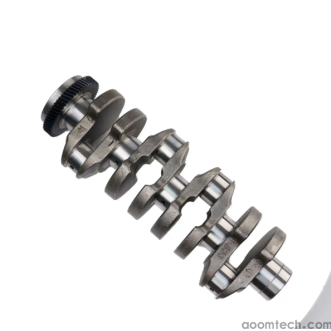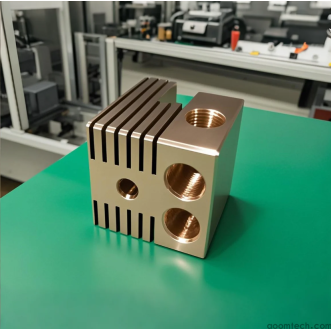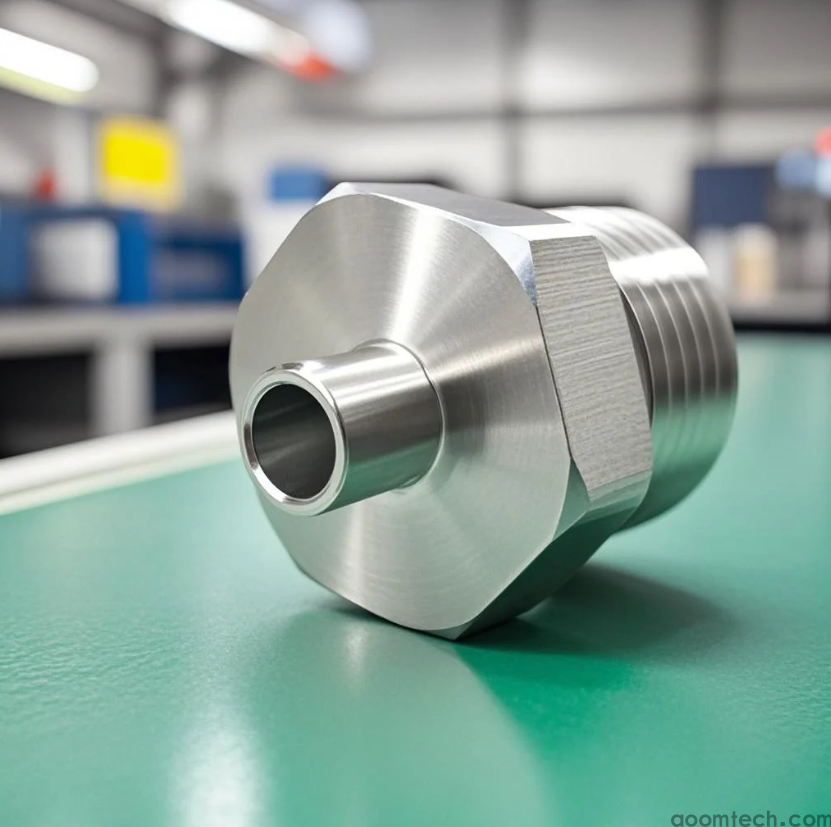
CNC Machining Sports Equipment Parts
CNC Machining Sports Equipment Parts: Precision Manufacturing for Better Performance
CNC Machining Sports Equipment Parts plays a crucial role in modern sports manufacturing, where performance, safety, and durability are essential. From high-performance bicycles to professional golf clubs and skiing equipment, CNC (Computer Numerical Control) machining enables manufacturers to produce precise, consistent, and high-quality components that directly impact athletic performance.
This article explains the process of CNC machining sports equipment parts, the materials used, key advantages, and practical guidance on choosing a CNC machining service for sports equipment.
The Significance of CNC Machining in Sports Equipment
Sports equipment must perform under demanding conditions such as impact, vibration, friction, and repeated stress. Even small dimensional errors can affect performance or safety. CNC machining solves this problem by delivering extremely accurate parts with tight tolerances.
For example:
In cycling, CNC-machined drivetrain components improve energy transfer and reduce weight.
In golf, precision-machined club heads enhance swing consistency and ball control.
In skiing, CNC parts contribute to bindings and frames that improve stability and shock resistance.
Because of this, CNC machining has become a standard method for producing performance-critical sports components.
Process of CNC Machining Sports Equipment Parts
1. Design and Engineering
The process begins with product design. Engineers and designers create a digital model using CAD (Computer-Aided Design) software. This stage defines the shape, structure, and function of the sports equipment part.
Important considerations include:
Mechanical strength and load requirements
Ergonomics and user comfort
Weight reduction for better performance
Manufacturing feasibility
A well-optimized design ensures the final part performs correctly in real sports conditions. Poor design may lead to fitting issues, reduced durability, or performance loss.
2. Material Selection
Material choice is a key factor in the process of CNC machining sports equipment parts. The selected material directly affects strength, weight, flexibility, and cost.
Common materials include:
Aluminum alloys – Lightweight, corrosion-resistant, widely used in bicycles and fitness equipment
Stainless steel – Strong and durable, used in structural and load-bearing parts
Titanium alloys – High strength-to-weight ratio, used in premium sports gear
Carbon fiber composites – Extremely lightweight and stiff, used in skis, rackets, and bike frames
Engineering plastics – Used for grips, housings, and protective components
Each material requires different machining strategies. For example, carbon fiber needs special cutting tools to avoid delamination, while aluminum allows faster machining speeds.
3. CNC Programming
After design approval, engineers use CAM (Computer-Aided Manufacturing) software to convert the 3D model into machine instructions. This step is known as CNC programming.
The program defines:
Tool paths
Cutting speeds and feed rates
Depth of cut
Tool selection and sequence
Accurate programming is essential. Even a small error can cause poor surface finish, incorrect dimensions, or part failure during use.
4. CNC Machining Operations
Once the program is ready, the CNC machine begins production. Several machining methods are commonly used in sports equipment manufacturing:
Milling
Milling uses rotating cutting tools to remove material and create complex shapes such as grooves, flat surfaces, and custom geometries. Carbide end mills are often used for durability and precision.
It is widely applied in bicycle frames, brackets, and structural components.
Turning
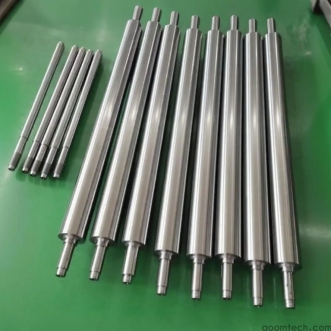
Turning is used for cylindrical parts such as shafts, axles, and connectors. The workpiece rotates while the cutting tool shapes it.
Precision control is important to maintain concentricity and smooth surface finishes, especially for rotating sports components.
Drilling and Boring
Drilling creates holes for assembly, while boring improves hole accuracy and surface quality.
In sports equipment, precise hole placement is essential—for example, ski bindings must align perfectly to ensure athlete safety.
Finishing Operations
After machining, finishing processes improve quality and safety. These include:
Deburring to remove sharp edges
Polishing for smooth surfaces and better appearance
Anodizing for corrosion resistance (especially aluminum parts)
Heat treatment to improve strength and durability
Finishing ensures that sports equipment parts are safe, durable, and visually appealing.
Advantages of CNC Machining for Sports Equipment Parts
High Precision and Consistency
One of the main advantages of CNC machining for sports parts is its ability to achieve extremely tight tolerances. This ensures every part fits perfectly and performs reliably, even under intense conditions.
Customization and Flexibility
CNC machining allows full customization of sports equipment parts. Athletes can benefit from equipment tailored to their body shape, playing style, or performance needs.
For example, custom bike components or personalized golf club heads can significantly improve comfort and performance.
Material Efficiency
CNC machining is highly efficient in material usage. By precisely removing only the required material, it reduces waste and helps lower production costs while maintaining structural strength.
Improved Performance and Safety
Accurate machining ensures that sports equipment performs as intended. Well-made components reduce the risk of failure, improving athlete safety during high-impact sports activities.
Choosing a CNC Machining Service for Sports Equipment Parts
Experience and Technical Expertise
When choosing a CNC machining service for sports equipment, experience is one of the most important factors. A skilled manufacturer understands the unique requirements of sports applications, such as weight reduction, impact resistance, and ergonomic design.
It is recommended to review:
Previous sports equipment projects
Industry experience
Engineering capabilities
Customer case studies
Quality Control System
A reliable CNC service provider must have a strong quality assurance system. This includes in-process inspection and final product testing using precision measuring tools such as CMM (Coordinate Measuring Machines).
Good quality control ensures every part meets design specifications and performs reliably in real-world use.
Cost and Delivery Time
While cost is important, it should not compromise quality. A good supplier offers a balance between affordability and performance.
When evaluating providers, consider:
Quotation transparency
Production efficiency
On-time delivery record
Scalability for large orders
Fast and reliable delivery is especially important in competitive sports equipment markets where product launch timing matters.
Engineering Support and Communication
A strong CNC machining partner also provides engineering support. They should be able to suggest design improvements, material optimizations, and cost-saving solutions while maintaining performance standards.
Conclusion
CNC Machining Sports Equipment Parts is essential for producing high-performance, safe, and durable sports gear. Through precise design, advanced programming, and controlled machining processes, manufacturers can create components that meet the demanding needs of modern athletes.
Understanding the process of CNC machining sports equipment parts, selecting suitable materials, and recognizing the advantages of CNC machining for sports parts helps businesses and designers make better production decisions.
Ultimately, success in sports equipment manufacturing depends on choosing the right partner, ensuring quality, and leveraging CNC technology to its full potential.
RELATED PRODUCTS
-
Metal Parts CNC Machining
-
CNC Machining Services for Flashlight Ho
-
Metal Parts CNC Machining Services
-
Brass Parts CNC Machining Services
-
Roller CNC Machining Services
-
CNC machining of high-precision parts
-
CNC Machining for Sprockets
-
CNC Machining for Turbine Parts
-
CNC Machining Service for Crankshafts
-
CNC Machining Service for Copper Blocks