CNC Machining for Valve Parts
CNC Machining for Valve Parts: Precision Manufacturing for Critical Industrial Applications
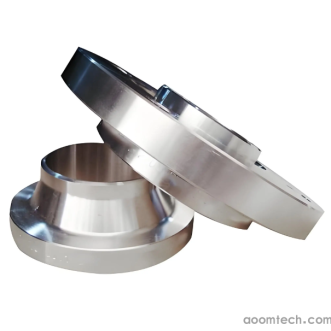
CNC Machining for Valve Parts plays a vital role in modern manufacturing industries where safety, accuracy, and reliability are essential. Valve parts are used to control the flow of liquids and gases in systems such as oil and gas pipelines, power plants, chemical processing facilities, and water treatment plants. Because these systems often operate under high pressure and extreme conditions, even a small defect in a valve component can lead to leakage, system failure, or safety hazards.
CNC (Computer Numerical Control) machining provides a highly precise and repeatable manufacturing method for producing valve components. By using computer-controlled tools, manufacturers can achieve tight tolerances, excellent surface finishes, and consistent quality across large production batches. This makes CNC machining an ideal solution for producing reliable valve parts used in critical infrastructure.
The Significance of Valve Parts and CNC Machining
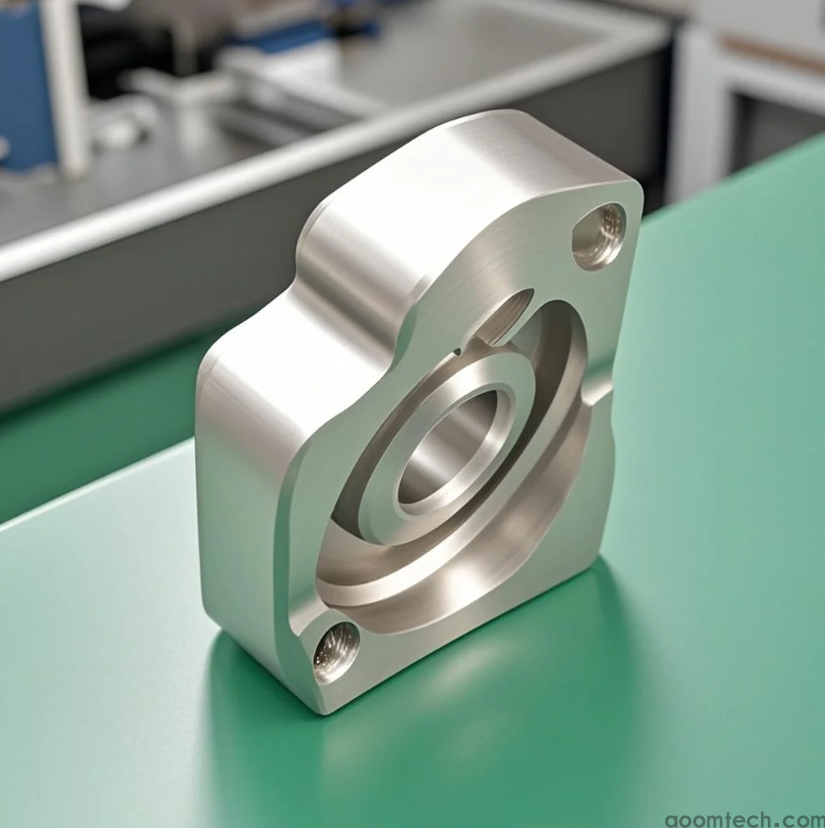
Valve parts are essential components that regulate, direct, or control the flow of fluids and gases. They ensure that industrial systems operate smoothly and safely. Common valve types include ball valves, gate valves, globe valves, and check valves. Each type requires different precision-engineered components such as valve bodies, stems, seats, and discs.
In industries like oil refineries, CNC machining ensures that valve parts fit perfectly and function reliably under high pressure. For example, a precisely machined valve seat prevents leakage in pipelines transporting crude oil or natural gas. Without such accuracy, even minor defects could lead to environmental damage, financial loss, or safety risks.
This is why CNC machining is considered the backbone of modern valve manufacturing, ensuring performance consistency and long service life.
The CNC Machining Process for Valve Parts
Design Phase
The process begins with engineering design using CAD (Computer-Aided Design) software. Designers create detailed 3D models of valve parts based on functional requirements such as pressure rating, temperature range, and fluid type.
Accurate design is essential. For example, an improperly designed valve seat may fail to create a tight seal, leading to leakage. Engineers must consider mechanical strength, sealing performance, and compatibility with other components before finalizing the design.
Material Selection in Valve Part CNC Machining
Material selection is one of the most important steps in CNC machining for valve parts. The chosen material must withstand corrosion, wear, pressure, and temperature variations depending on the application.
Stainless Steel: Widely used due to corrosion resistance and hygiene. Common in food, beverage, and water systems.
Carbon Steel: Offers strength and affordability, suitable for general industrial applications.
Alloy Steel: Used in high-pressure and high-temperature environments such as oil and gas systems.
PTFE and Engineering Plastics: Used in chemical applications where chemical resistance is critical.
Each material affects machining behavior. For example, stainless steel requires slower cutting speeds and stronger tools due to its toughness, while PTFE is softer and easier to machine but requires careful handling to avoid deformation.
CNC Programming
After design approval, the CAD model is converted into a CNC program using CAM (Computer-Aided Manufacturing) software. This program defines toolpaths, cutting speeds, feed rates, and machining depths.
Precision in programming is essential. Incorrect toolpaths can lead to dimensional errors, poor surface finish, or even complete part failure. For valve components, even micrometer-level errors can affect sealing performance and operational safety.
Machine Setup and Tooling
During machine setup, technicians install cutting tools, fixtures, and workholding devices. Tool selection depends on the material and machining operation.
High-precision carbide tools are often used for valve parts due to their durability and accuracy. Machine settings such as spindle speed and feed rate must match the CNC program to ensure consistent machining quality.
Improper setup can cause tool wear, vibration, or dimensional inaccuracies, which may result in defective valve components.
Machining Operations
Milling
Milling is used to create flat surfaces, grooves, and complex geometries in valve bodies and components. Carbide end mills are commonly used for hard materials like alloy steel.
Cutting parameters must be carefully controlled. For example, slower feed rates are used when machining sealing surfaces to ensure smooth finishes and proper sealing performance.
Turning
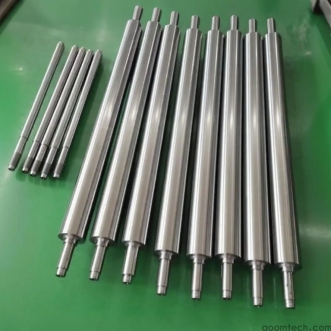
Turning is used to produce cylindrical components such as valve stems and bushings. The workpiece rotates while the cutting tool shapes the outer surface.
Maintaining concentricity is critical. Poor turning accuracy can cause vibration, leakage, or improper valve movement during operation.
Drilling and Boring
Drilling creates holes for fluid passage, fasteners, or assembly purposes. Boring refines these holes to precise dimensions.
Accurate hole placement is essential. Even small positioning errors can lead to assembly issues or reduced valve performance. Specialized drills and boring tools are used depending on material hardness and design requirements.
Quality Control in Valve Part Manufacturing
Quality control is a critical stage in CNC machining for valve parts because these components often operate in high-risk environments. Strict inspection ensures safety, reliability, and compliance with engineering standards.
In-process inspections monitor dimensional accuracy, tool wear, and surface quality during machining. Final inspections are performed using advanced equipment such as:
Coordinate Measuring Machines (CMMs)
Optical measurement systems
Surface profilometers
Microscopic inspection tools
If a part does not meet tolerance requirements, it is either reworked or rejected. There is no compromise in quality because even minor defects can lead to system failure in real-world applications.
Advantages of CNC Machining for Valve Parts
High Precision
One of the biggest advantages of CNC machining for valve part production is its ability to achieve extremely tight tolerances. This ensures proper sealing, smooth operation, and long-term reliability of valve systems.
High precision reduces the risk of leakage and improves system efficiency, especially in industries such as oil refining and chemical processing.
Customization
CNC machining allows manufacturers to produce custom-designed valve components based on specific application requirements. This flexibility is essential for industries with unique operating conditions.
For example, chemical plants may require valves designed for aggressive fluids, while power plants may need components that withstand extreme temperatures.
High-Volume Production Efficiency
Once CNC programs are optimized, machines can operate continuously with minimal human intervention. This enables efficient mass production of valve parts while maintaining consistent quality.
This efficiency helps reduce production costs and lead times, making CNC machining ideal for large-scale industrial supply chains.
Conclusion: The Role of CNC Machining in Valve Part Manufacturing
CNC Machining for Valve Parts is a cornerstone of modern industrial manufacturing. It ensures that valve components meet strict performance, safety, and durability requirements across a wide range of industries.
From design and material selection in valve part CNC machining to programming, machining, and quality control, every step contributes to the final performance of the product. Understanding the CNC machining process for valve parts helps manufacturers improve efficiency, reduce errors, and ensure long-term reliability.
The key advantages of CNC machining—precision, customization, and high-volume production capability—make it indispensable for modern valve manufacturing. Continuous improvement in materials, tooling, and digital manufacturing technologies will further enhance its role in the future of industrial production.
Keywords integrated: CNC Machining for Valve Parts, CNC machining process for valve parts, material selection in valve part CNC machining, advantages of CNC for valve part production.
RELATED PRODUCTS
-
Metal Parts CNC Machining
-
CNC Machining Services for Flashlight Ho
-
Metal Parts CNC Machining Services
-
Brass Parts CNC Machining Services
-
Roller CNC Machining Services
-
CNC machining of high-precision parts
-
CNC Machining for Sprockets
-
CNC Machining for Turbine Parts
-
CNC Machining Service for Crankshafts
-
CNC Machining Service for Copper Blocks