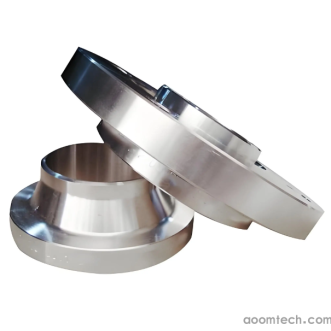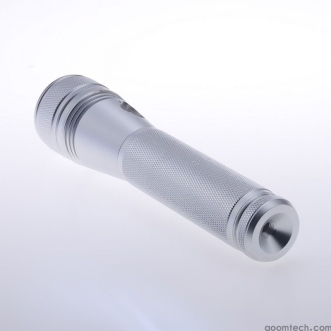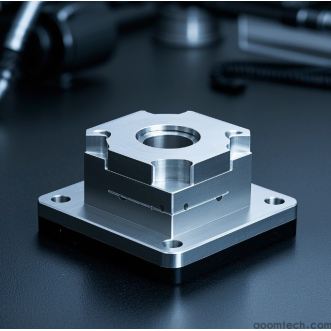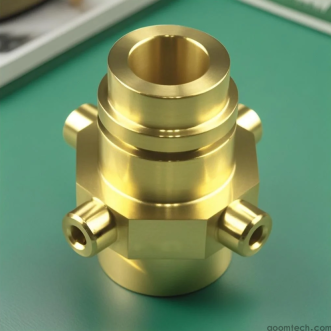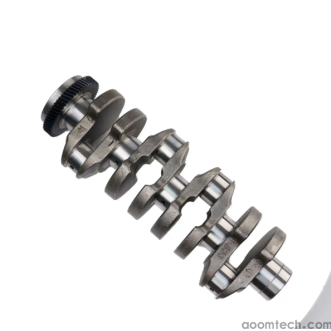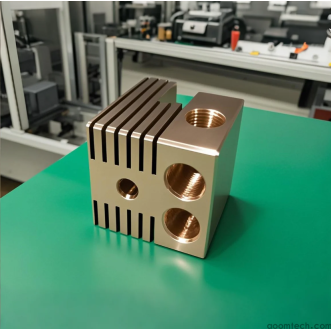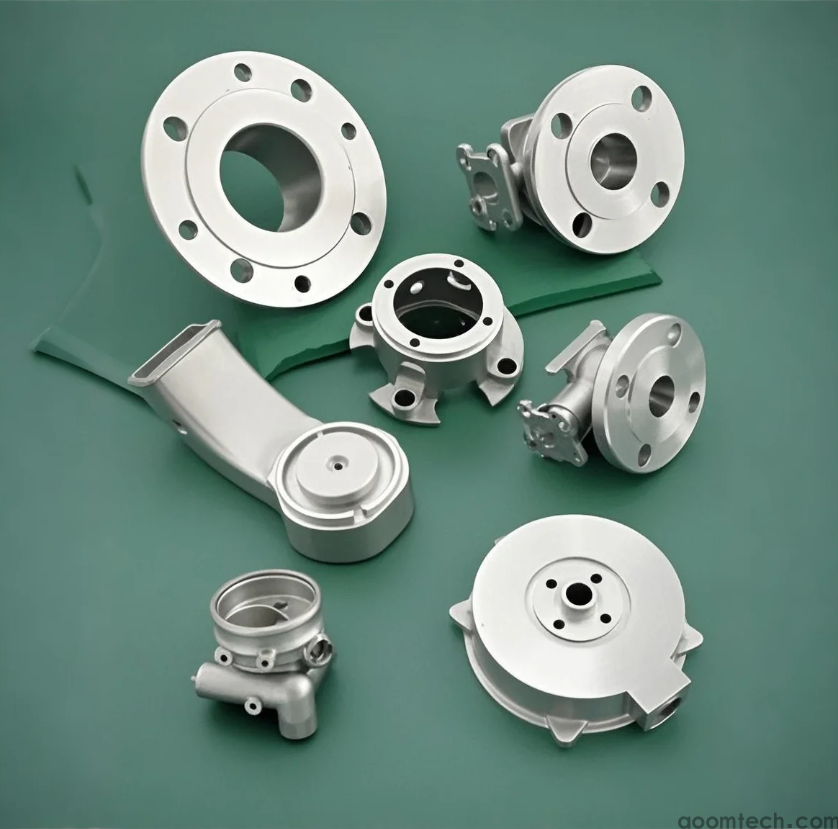
Custom CNC Machining Parts
Custom CNC Machining Parts: A Complete Guide for Modern Manufacturing
Introduction to Custom CNC Machining Parts
Custom CNC Machining Parts are precision-engineered components manufactured using Computer Numerical Control (CNC) technology. These parts are produced based on specific customer designs, meaning each component is tailored to meet unique functional, dimensional, and performance requirements.
In modern manufacturing, CNC technology—based on automated control of machining tools through coded instructions—has become essential for producing high-quality parts. :contentReference[oaicite:0]{index=0} allows manufacturers to achieve consistent accuracy, repeatability, and efficiency across industries.
Custom CNC parts are widely used in industries such as automotive, aerospace, electronics, medical devices, and industrial machinery. For example, in the automotive industry, they improve engine performance and durability. In aerospace applications, they contribute to the safety and reliability of aircraft systems where precision is critical.
The Importance of Custom CNC Machining Parts
The significance of custom CNC machining parts lies in their ability to solve complex engineering problems. Unlike standard off-the-shelf components, custom parts are designed for specific applications, ensuring perfect fit and optimal performance.
These parts help companies improve product efficiency, reduce mechanical failure, and support innovation in product design. In high-performance environments such as aerospace and robotics, even small dimensional errors can lead to system failure, making precision manufacturing essential.
The Custom CNC Machining Process
Design and Engineering
The process begins with design and engineering. Engineers create detailed 3D models using CAD (Computer-Aided Design) software. :contentReference[oaicite:1]{index=1} is one example of widely used integrated CAD/CAM tools.
At this stage, engineers analyze the part’s function, load conditions, stress points, and assembly requirements. Proper design optimization ensures manufacturability and reduces production errors. A poorly designed part may lead to misalignment, structural weakness, or system failure.
Material Selection
Material selection is a critical step in the process of custom CNC machining parts. The choice depends on strength, weight, corrosion resistance, temperature resistance, and cost.
Aluminum: Lightweight and corrosion-resistant, ideal for aerospace and electronics
Stainless Steel: High strength and durability, suitable for medical and industrial use
Alloy Steel: Used for heavy-load and high-stress applications
Plastics and composites: Used for insulation, lightweight structures, or cost-sensitive parts
Choosing the wrong material can lead to machining difficulties, reduced lifespan, or performance failure in real-world applications.
CNC Programming
Once the CAD model is finalized, it is converted into machine instructions using CAM (Computer-Aided Manufacturing) software. These instructions include toolpaths, cutting speeds, feed rates, and depth of cut.
This step is crucial in the process of custom CNC machining parts because incorrect programming may lead to dimensional errors, poor surface quality, or damaged components.
Machine Setup and Tooling
Machine setup involves preparing CNC equipment, installing cutting tools, and securing workpieces using fixtures. Tool selection depends on material type and machining requirements.
For example, carbide tools are commonly used for metals, while coated tools are used for harder materials. Proper setup ensures stability, accuracy, and surface quality during machining.
Machining Operations
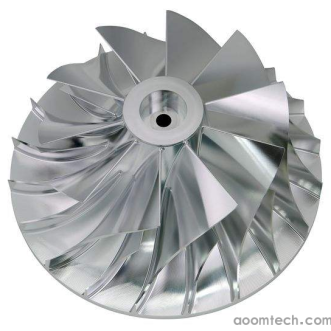
Milling: A rotating cutting tool removes material to create complex shapes, slots, and surfaces. Proper control of spindle speed and feed rate ensures precision and smooth finishing.
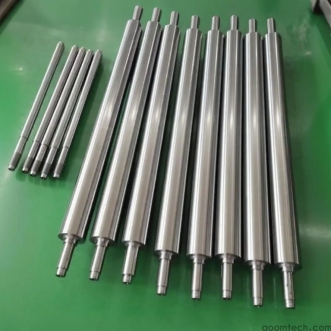
Turning: The workpiece rotates while a cutting tool shapes cylindrical parts such as shafts and bushings. Maintaining concentricity is essential for mechanical performance.
Drilling and Boring: Drilling creates holes, while boring refines them to precise dimensions. These operations are critical for assembly and fluid systems where accuracy prevents leakage or misalignment.
Quality Control
Quality control ensures that every custom CNC part meets design specifications. Manufacturers use tools such as calipers, micrometers, and Coordinate Measuring Machines (CMMs) for inspection.
Defective parts are either reworked or rejected. Strict inspection standards help maintain consistency and reliability in production.
Finishing and Surface Treatment
Finishing processes such as polishing, grinding, anodizing, and coating improve both appearance and performance. Surface treatments enhance corrosion resistance, durability, and wear resistance.
These final steps ensure that the finished custom CNC machining parts meet both functional and aesthetic requirements.
Benefits of Custom CNC Machining Parts
High Precision and Accuracy
CNC machining delivers extremely tight tolerances, ensuring that each part fits perfectly in its intended assembly. This precision improves performance and reduces mechanical wear.
Full Customization
Custom CNC machining allows complete design freedom. Manufacturers can produce complex shapes and specialized components that traditional manufacturing methods cannot easily achieve.
Cost-Effective for Small Batch Production
For prototypes and small production runs, CNC machining is highly cost-efficient. It reduces tooling costs and enables faster product development cycles.
Challenges in Custom CNC Machining Parts
Complex Design Requirements
Some parts require highly complex geometries or tight tolerances. Advanced multi-axis machines and skilled engineers are needed to meet these demands.
Tool Wear and Breakage
Hard materials and long production cycles can cause tool wear or breakage. Manufacturers must use high-quality tools and optimize cutting parameters to reduce this risk.
Time Constraints
Meeting tight delivery schedules can be challenging, especially for complex projects. Efficient planning and production management are essential to avoid delays.
Choosing a Reliable Custom CNC Machining Parts Manufacturer
Experience and Technical Expertise
A reliable manufacturer should have extensive experience in producing custom CNC machining parts. Experience across multiple industries demonstrates capability and reliability.
Quality Assurance Systems
Look for manufacturers with certifications such as ISO 9001. Strong quality control systems ensure consistent production standards and reduced defect rates.
Manufacturing Capabilities
A capable manufacturer should offer milling, turning, drilling, finishing, and multi-axis machining services. This ensures flexibility for different project requirements.
Transparent Pricing
Clear cost breakdowns for materials, machining, and finishing help customers understand pricing and avoid hidden costs. Transparency builds trust and long-term cooperation.
Customer Feedback and Reputation
Customer reviews and references provide insight into reliability, delivery performance, and product quality. Always evaluate feedback before selecting a supplier.
Conclusion
Custom CNC Machining Parts are essential in modern manufacturing due to their precision, flexibility, and efficiency. From design to finishing, every stage of the process of custom CNC machining parts plays a critical role in ensuring high-quality results.
By understanding the benefits, challenges, and selection criteria, businesses can make better decisions when choosing a custom CNC machining parts manufacturer and achieve improved product performance and long-term success.
RELATED PRODUCTS
-
Metal Parts CNC Machining
-
CNC Machining Services for Flashlight Ho
-
Metal Parts CNC Machining Services
-
Brass Parts CNC Machining Services
-
Roller CNC Machining Services
-
CNC machining of high-precision parts
-
CNC Machining for Sprockets
-
CNC Machining for Turbine Parts
-
CNC Machining Service for Crankshafts
-
CNC Machining Service for Copper Blocks