High Precision CNC Machining Services
High Precision CNC Machining Services: A Complete Guide to Accuracy Manufacturing
In modern manufacturing, accuracy is not optional. Many industries depend on parts that must fit perfectly, perform reliably, and meet strict safety standards. This is where High Precision CNC Machining Services play a critical role. These services use advanced computer-controlled machines to produce parts with extremely tight tolerances and consistent quality.
This article explains what high precision CNC machining is, why it matters, how the process works, what affects precision, how quality is controlled, and where these parts are used in real-world industries.
The Concept of High Precision CNC Machining
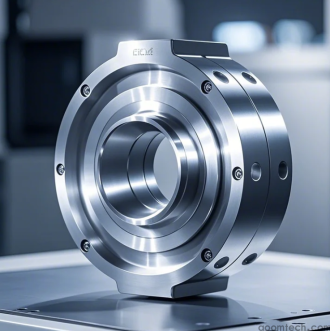
High precision CNC (Computer Numerical Control) machining is a manufacturing method that uses computer-programmed machines to produce parts with extremely accurate dimensions. Unlike standard machining, high precision machining focuses on achieving very tight tolerances, often measured in microns.
The high-precision CNC machining process relies on digital design files and automated cutting tools to ensure every part matches the exact specifications. Even the smallest deviation is controlled and minimized.
This level of accuracy is essential in industries where performance, safety, and reliability cannot be compromised. As a result, demand for high precision CNC machining services continues to grow globally.
Importance of High Precision CNC Machining Services
Meeting Stringent Industry Standards
Many industries operate under strict regulations. Aerospace, medical, automotive, and electronics sectors require parts that meet precise safety and performance standards. High precision CNC machining ensures these requirements are met consistently.
For example, in aerospace engineering, even a tiny dimensional error in an engine component can affect performance or safety. High precision machining eliminates such risks by maintaining strict dimensional control throughout production.
Enabling Complex Design Realization
Modern engineering designs are becoming more complex. Traditional machining methods often struggle to produce intricate shapes and internal structures. High precision CNC machining makes these designs possible.
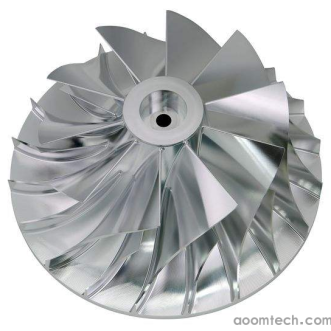
Examples include turbine blades with complex aerodynamic shapes, micro-scale electronic components, and custom medical implants designed for individual patients. These components require extreme accuracy that only advanced CNC systems can provide.
The High Precision CNC Machining Process
Design and Programming
The process begins with CAD (Computer-Aided Design) software, where engineers create a detailed 3D model of the part. This model includes all dimensions, tolerances, and functional requirements.
Next, CAM (Computer-Aided Manufacturing) software converts the design into machine instructions. This step defines toolpaths, cutting speeds, feed rates, and cutting depths. In the high-precision CNC machining process, even minor programming errors can lead to part failure or rejection.
Machine Setup and Tooling
Before machining begins, the CNC machine must be carefully prepared. High-quality machines with rigid structures, precision ball screws, and linear guides are required to maintain stability.
Workpieces are secured using specialized fixtures to prevent any movement during machining. Tool selection is also critical. Tools such as carbide end mills or diamond-coated cutters are chosen based on material type and required accuracy.
Machine parameters such as spindle speed and feed rate are adjusted to ensure optimal performance and precision.
Machining Operations
Milling
Milling is used to create flat surfaces, slots, and complex 3D shapes. In high precision machining, tool geometry plays an important role. For example, ball-nose end mills are used for smooth curved surfaces.
Proper adjustment of cutting speed, feed rate, and depth of cut ensures smooth finishing and accurate dimensions. Efficient chip removal is also important to avoid defects during machining.
Turning
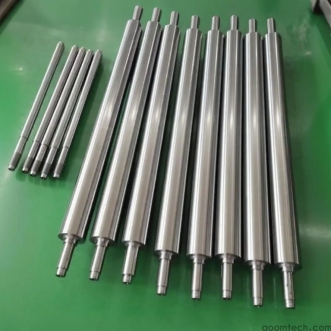
Turning is used for cylindrical parts. The workpiece rotates while the cutting tool removes material to achieve precise diameter and surface finish.
To maintain accuracy, tool alignment and stable feed rates are essential. High-quality cutting inserts help ensure consistent performance during production.
Drilling
Drilling creates precise holes in a workpiece. Selecting the correct drill bit and machining parameters is critical to avoid errors such as misalignment or incorrect hole size.
In high precision CNC machining services, even small deviations in hole placement can lead to part rejection, especially in aerospace or medical applications.
Factors Affecting Precision in High Precision CNC Machining
Machine Accuracy and Rigidity
Machine quality is one of the most important factors. High rigidity reduces vibration during cutting, while low backlash ensures smooth and accurate movement.
Regular calibration and maintenance are essential to maintain long-term accuracy. Without proper machine condition, achieving tight tolerances becomes impossible.
Tool Wear and Breakage
Cutting tools gradually wear out during operation. Worn tools can reduce surface quality and dimensional accuracy. Tool breakage can damage both the workpiece and the machine.
Monitoring tool condition and using proper cutting parameters helps reduce these risks and improves production stability.
Material Properties and Preparation
Different materials behave differently during machining. Hardness, thermal expansion, and internal stress all affect accuracy.
For example, materials with high thermal expansion may change size due to heat. Proper preparation methods such as stress-relief heat treatment and cooling systems help control these effects.
Understanding these factors affecting precision in high-precision CNC is essential for achieving consistent results.
Quality Control in High Precision CNC Machining
In-Process Inspection
Quality control starts during machining. Measurements are taken using tools such as calipers, micrometers, and surface roughness testers.
If deviations are detected, adjustments are made immediately. This helps prevent waste and ensures that parts remain within tolerance throughout production.
This stage is a key part of quality control in high-precision CNC machining.
Final Inspection
After machining is complete, final inspection ensures the part meets all design requirements. Coordinate Measuring Machines (CMMs) are commonly used to check dimensional accuracy with high precision.
Surface finish, geometric accuracy, and structural integrity are all evaluated. Non-conforming parts may be reworked or discarded depending on severity.
Applications of High Precision CNC Machined Parts
Aerospace Industry
In aerospace, precision is critical for safety and performance. Components such as turbine blades, engine parts, and structural components must withstand extreme conditions.
High precision CNC machining services ensure these parts meet strict aerospace standards and perform reliably under stress, heat, and vibration.
Medical Industry
The medical field relies heavily on precision manufacturing. Surgical tools, orthopedic implants, and dental components must be highly accurate and biocompatible.
High precision machining allows custom designs that improve patient outcomes and ensure proper fit and function inside the human body.
Electronics Industry
Electronics manufacturing requires miniaturized and highly accurate components. Connectors, heat sinks, and circuit components must fit perfectly for devices to function correctly.
High precision CNC machining supports the development of smaller, faster, and more efficient electronic devices.
Conclusion: Choosing the Right High Precision CNC Machining Services
High precision CNC machining is a foundation of modern manufacturing. It enables industries to produce complex, reliable, and high-performance components with exceptional accuracy.
From the high-precision CNC machining process to factors affecting precision in high-precision CNC and strict quality control in high-precision CNC machining, every stage plays an important role in achieving the final result.
When selecting a service provider, businesses should evaluate experience, equipment capability, quality control systems, and industry expertise. A reliable partner ensures not only precision but also consistency and long-term performance.
In a world where precision defines success, high precision CNC machining services remain essential for innovation and industrial growth.
RELATED PRODUCTS
-
Metal Parts CNC Machining
-
CNC Machining Services for Flashlight Ho
-
Metal Parts CNC Machining Services
-
Brass Parts CNC Machining Services
-
Roller CNC Machining Services
-
CNC machining of high-precision parts
-
CNC Machining for Sprockets
-
CNC Machining for Turbine Parts
-
CNC Machining Service for Crankshafts
-
CNC Machining Service for Copper Blocks