High Volume CNC Machining Aluminum Parts
High Volume CNC Machining Aluminum Parts: Processes, Benefits, Challenges, and How to Choose the Right Provider
Introduction to High Volume CNC Machining Aluminum Parts
High Volume CNC Machining Aluminum Parts refers to the large-scale production of aluminum components using computer numerical control (CNC) machines. This manufacturing method is widely used in modern industries because it delivers consistent quality, high precision, and efficient production speed.
Aluminum is one of the most commonly used engineering materials due to its lightweight nature, corrosion resistance, and excellent thermal conductivity. These properties make it highly suitable for industries such as automotive, aerospace, electronics, and consumer goods. When products require thousands or even millions of identical aluminum components, high-volume CNC machining becomes essential.
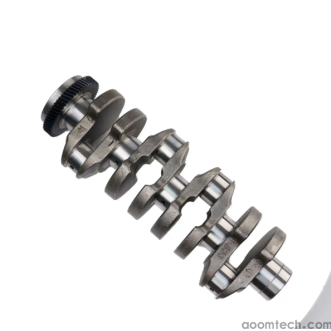
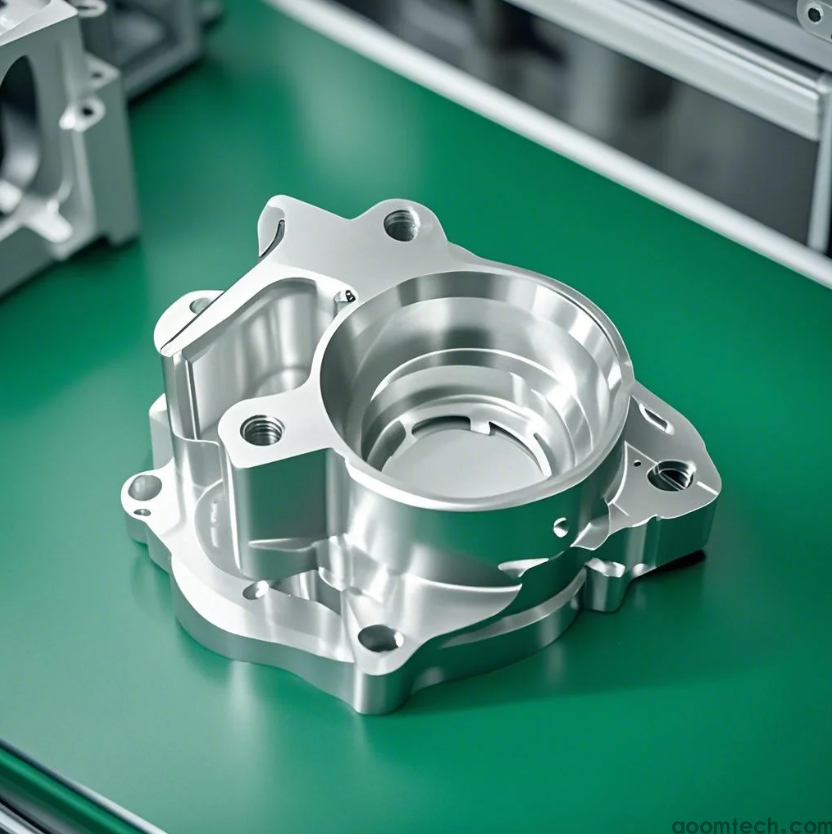
Typical examples of high-volume aluminum parts include automotive engine components, aircraft structural sections, smartphone frames, and household appliance housings. These parts are critical to the performance, durability, and safety of final products. Without reliable mass production methods like CNC machining, modern manufacturing systems would not function efficiently.
The Significance of High-Volume Aluminum Parts
Aluminum parts play a key role in many industries because of their excellent balance between strength and weight. In automotive manufacturing, aluminum engine blocks help reduce vehicle weight and improve fuel efficiency. In aerospace, aluminum wing structures contribute to strong yet lightweight aircraft designs. In electronics, aluminum frames and housings help with heat dissipation and durability.
In consumer goods, aluminum is commonly used for appliance bodies, laptop frames, and smartphone casings. These components must be produced in large quantities with consistent quality to meet global demand. This is where high-volume CNC machining aluminum parts becomes essential for ensuring stable supply and uniform performance.
Without efficient production methods, manufacturers would struggle with inconsistent quality, increased costs, and slow delivery times. High-volume CNC machining helps solve these problems by delivering repeatable precision at scale.
Importance of CNC Machining for High-Volume Aluminum Parts
Consistent Precision
CNC machining ensures that every aluminum part produced in a large batch is identical in size, shape, and tolerance. This is extremely important in complex assemblies where even small variations can lead to functional issues.
For example, in aerospace applications, if aircraft components such as wing sections are not dimensionally consistent, it can affect aerodynamics and compromise flight safety. CNC technology eliminates this risk by using computer-controlled processes that maintain tight tolerances throughout production.
High-Efficiency Production
Once a CNC program is created and tested, machines can operate continuously with minimal human intervention. Automated tool changers, optimized toolpaths, and reduced setup times significantly improve production speed.
This makes CNC machining ideal for mass production of aluminum parts. For instance, thousands of smartphone frames can be produced with consistent quality and fast turnaround times. Compared to manual machining, CNC systems dramatically reduce production time while improving accuracy.
Cost-Effectiveness for Large Production Runs
Although CNC machining requires initial setup and programming costs, the per-unit cost decreases significantly as production volume increases. This is due to economies of scale, efficient material usage, and reduced labor requirements.
For example, when producing large quantities of automotive engine components, manufacturers benefit from lower unit costs while maintaining high quality. This makes CNC machining one of the most cost-effective solutions for mass production of aluminum parts.
CNC Machining Processes for High-Volume Aluminum Parts
Milling
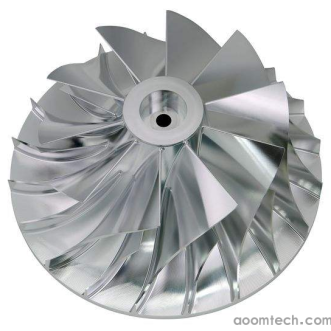
Milling is one of the most important processes in CNC milling for high-volume aluminum parts. It involves a rotating cutting tool that removes material from a stationary aluminum workpiece. This process is used to create flat surfaces, holes, grooves, and complex 3D shapes.
Carbide cutting tools are commonly used because they offer high wear resistance and durability. Aluminum machining typically requires high spindle speeds and optimized feed rates to achieve smooth surface finishes and efficient material removal.
Proper tool selection is essential to avoid issues such as chip buildup, tool wear, or surface defects. In aerospace manufacturing, milling is widely used to produce structural aluminum components that require high precision and strength.
Turning
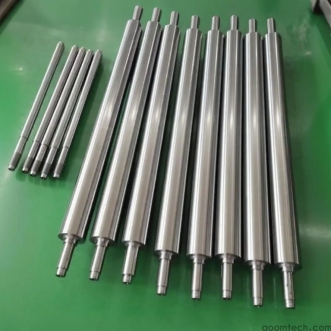
Turning is used to manufacture cylindrical aluminum components such as shafts, rods, and rotating parts. In this process, the aluminum workpiece rotates while a cutting tool removes material to achieve the desired shape.
Maintaining concentricity and surface smoothness is essential in turning operations. Proper tool geometry and cutting parameters help prevent vibration and ensure dimensional accuracy.
In automotive manufacturing, aluminum shafts and rotating components are often produced using CNC turning to ensure smooth operation and long service life.
Drilling
Drilling is used to create precise holes in aluminum parts for assembly, fastening, or wiring purposes. High-helix drills are commonly used because they improve chip evacuation and reduce heat buildup.
Accurate hole placement is critical in high-volume production. Even small deviations can cause assembly issues or product failure. In electronics manufacturing, aluminum housings often require precise drilling for circuit integration and mounting features.
Challenges in High-Volume CNC Machining Aluminum Parts
Tool Wear and Maintenance
In large-scale production, cutting tools are subject to continuous use, which leads to wear over time. Worn tools can reduce machining accuracy and surface quality.
To address this issue, manufacturers use high-quality cutting tools, implement regular inspection schedules, and apply tool wear monitoring systems. Proper maintenance planning ensures uninterrupted production and consistent quality.
Quality Control
Maintaining consistent quality across thousands of parts is one of the biggest challenges in high-volume production. Even small variations can lead to product defects or assembly issues.
Manufacturers often use automated inspection systems, in-process quality checks, and coordinate measuring machines (CMMs) to ensure accuracy. These systems help detect defects early and reduce waste.
Production Planning and Scheduling
Efficient production planning is essential to meet deadlines and manage resources effectively. Factors such as machine availability, material supply, and labor coordination must be carefully managed.
Manufacturers often use advanced production scheduling software and contingency planning to handle unexpected issues such as machine breakdowns or supply delays.
Choosing a Provider for High-Volume CNC Machined Aluminum Parts
Technical Expertise
When selecting a manufacturing partner for choosing a provider for high-volume CNC-machined aluminum parts, technical expertise is one of the most important factors. The provider should have experience working with aluminum materials and large-scale production systems.
Evaluating case studies, reviewing sample parts, and checking industry experience can help assess their capabilities. Providers with aerospace or automotive experience often have strong technical standards and quality control systems.
Quality Assurance Systems
A reliable CNC machining provider must have a strong quality management system. This includes in-process inspections, final inspections, and the use of precision measurement tools such as CMMs and surface testers.
Effective quality control ensures that every part meets required specifications and reduces the risk of defects in large production runs. This is especially important for industries with strict safety requirements.
Cost and Lead Time Efficiency
While cost is an important factor, it should be balanced with quality and reliability. Comparing multiple suppliers helps identify competitive pricing without compromising standards.
Equally important is delivery performance. A good provider should be able to meet deadlines consistently and manage large orders efficiently. Reviewing past delivery records can help assess reliability.
Conclusion
High Volume CNC Machining Aluminum Parts plays a vital role in modern manufacturing industries. It enables the efficient production of high-quality, precise, and durable aluminum components at scale. From automotive engines to aerospace structures and consumer electronics, CNC machining ensures consistency and performance across all applications.
By understanding machining processes, recognizing production challenges, and carefully selecting a qualified supplier, businesses can achieve better product quality, lower costs, and improved production efficiency. As demand for aluminum components continues to grow, high-volume CNC machining will remain a key technology in global manufacturing.
RELATED PRODUCTS
-
Metal Parts CNC Machining
-
CNC Machining Services for Flashlight Ho
-
Metal Parts CNC Machining Services
-
Brass Parts CNC Machining Services
-
Roller CNC Machining Services
-
CNC machining of high-precision parts
-
CNC Machining for Sprockets
-
CNC Machining for Turbine Parts
-
CNC Machining Service for Crankshafts
-
CNC Machining Service for Copper Blocks