Mechanical Parts CNC Machining
Mechanical Parts CNC Machining: Precision Manufacturing for Modern Industries
Mechanical Parts CNC Machining is a modern manufacturing process that uses computer-controlled machines to produce highly accurate mechanical components. These parts are essential in nearly every industry, including automotive, aerospace, construction, electronics, and industrial machinery. CNC (Computer Numerical Control) technology ensures that each part is produced with consistent quality, tight tolerances, and excellent repeatability.
Introduction to Mechanical Parts CNC Machining
The Significance of Mechanical Parts
Mechanical parts are the foundation of countless machines and systems. They are used in equipment that we rely on every day, from cars and factory machines to construction tools and household devices. Without these parts, modern engineering systems would not function.
Common examples include:
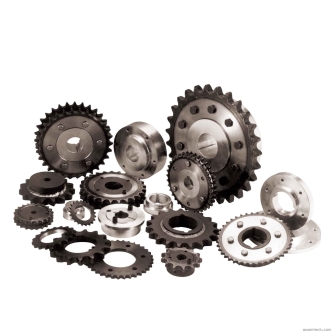
Gears – used for power transmission in automotive gearboxes and industrial machines
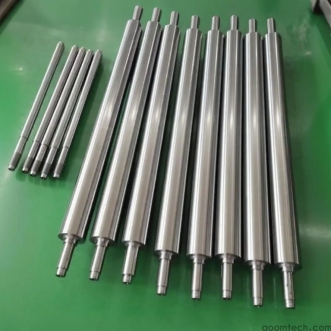
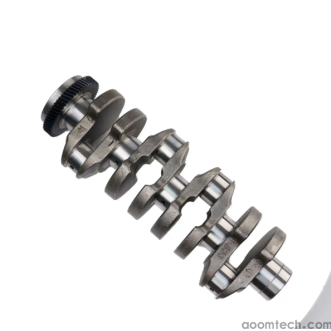
Shafts – transfer rotational motion in engines and mechanical systems
Bolts and fasteners – hold structures and components together securely
Brackets – support and align mechanical assemblies
Each of these components plays a critical role in ensuring machines operate smoothly, safely, and efficiently.
Importance of CNC Machining for Mechanical Parts
Precision Manufacturing
CNC machining enables the production of parts with extremely high precision. Mechanical systems require components that fit together perfectly. Even small dimensional errors can cause vibration, wear, or system failure.
For example, if a shaft diameter is not accurate, it may lead to imbalance, increased friction, and premature damage to surrounding components. High precision ensures better performance, longer service life, and improved safety.
Customization for Diverse Applications
Different industries require unique designs and specifications. CNC technology makes it possible to produce custom shapes, sizes, and surface finishes based on specific engineering needs.
For instance, a specialized machine may require a non-standard gear profile or a custom bracket designed for a unique installation environment.
Cost-Effectiveness for Batch Production
Once a CNC program is created, it can be reused to manufacture identical parts repeatedly. This reduces production time and cost per unit, especially for medium and large production batches.
In industries such as automotive manufacturing, producing thousands of identical bolts or brackets becomes efficient and economically viable through CNC machining.
CNC Machining Processes for Mechanical Parts
Milling
CNC milling for mechanical parts involves a rotating cutting tool that removes material from a workpiece. This process is used to create flat surfaces, grooves, holes, and complex 3D shapes.
Key considerations include:
Proper tool selection based on material type
Correct spindle speed and feed rate
Suitable cutting depth for accuracy and surface quality
For example, machining a steel gear requires different parameters compared to machining an aluminum bracket due to differences in hardness and thermal behavior.
Turning
Turning is used to produce cylindrical components such as shafts, axles, and threaded parts. The workpiece rotates while the cutting tool removes material.
Important factors include maintaining concentricity, controlling surface finish, and managing tool wear. Proper adjustment of cutting speed and feed rate is essential to achieve dimensional accuracy.
For example, when producing a brass shaft, precise tool movement ensures smooth surface quality and correct diameter.
Drilling
Drilling is used to create holes for fastening, assembly, fluid flow, or weight reduction. Hole accuracy is critical because even small deviations can affect alignment and assembly performance.
Using the correct drill type and cutting conditions helps ensure clean, precise holes in both metals and plastics.
Materials Used in CNC Machined Mechanical Parts
Metals
Materials for CNC-machined mechanical parts often include steel, aluminum, and brass.
Steel – high strength and durability, ideal for heavy-load components like gears and shafts
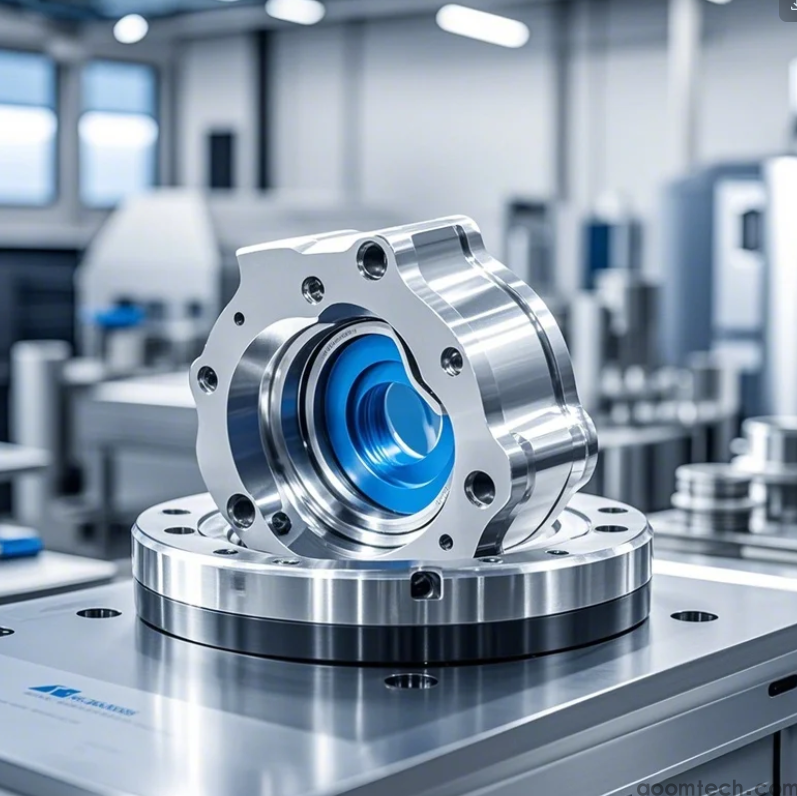
Aluminum – lightweight and corrosion-resistant, commonly used in automotive and aerospace applications
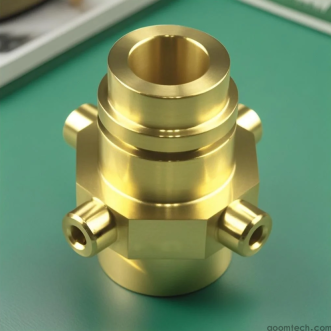
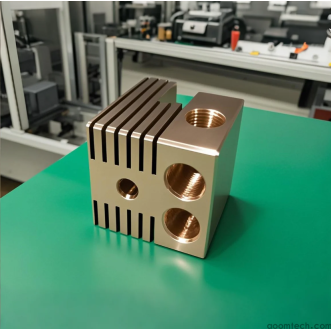
Brass – excellent machinability and corrosion resistance, used in connectors and precision components
Each metal requires specific machining parameters to ensure optimal performance and tool life.
Plastics
Engineering plastics such as nylon, acetal, and polyethylene are also widely used.
Nylon – wear-resistant and self-lubricating, suitable for bushings and sliding parts
Acetal – excellent dimensional stability for precision components
Polyethylene – cost-effective with good impact resistance
Plastics typically require lower cutting speeds and specialized tooling to avoid deformation or melting.
Challenges in Mechanical Parts CNC Machining
Tool Wear
Tool wear is a common issue when machining hard metals or abrasive materials. Worn tools reduce accuracy and surface quality. Using carbide tools, monitoring tool condition, and replacing tools regularly helps maintain stable production quality.
Heat Generation
Heat generated during machining can affect both the tool and the workpiece. Excess heat may cause deformation or reduced tool life. Proper coolant use and optimized cutting parameters help control temperature.
Maintaining Dimensional Accuracy
Maintaining tight tolerances is one of the biggest challenges in CNC machining. Continuous measurement, in-process inspection, and tool compensation are necessary to ensure consistent accuracy across production runs.
Choosing a CNC Machining Service Provider
Technical Expertise
When choosing a provider for mechanical parts CNC machining, technical experience is essential. A reliable provider should understand different materials, machining processes, and industry requirements.
Reviewing past projects, certifications, and sample parts can help evaluate their capabilities.
Quality Assurance
A strong quality control system ensures every part meets specifications. Professional providers use tools such as micrometers, calipers, and surface testers for inspection.
In-process and final inspections help reduce defects and ensure consistency across production batches.
Cost-Effectiveness and Lead Times
Cost should be balanced with quality and reliability. Comparing multiple suppliers helps identify competitive pricing without sacrificing performance.
Reliable lead times are equally important, especially for industries where delays can impact entire production schedules.
Conclusion
Mechanical Parts CNC Machining plays a vital role in modern manufacturing by delivering high-precision, durable, and customizable components. From gears and shafts to brackets and fasteners, CNC technology ensures that mechanical systems operate efficiently and reliably.
By understanding processes, materials, challenges, and supplier selection, businesses can make informed decisions and achieve better manufacturing outcomes in today’s competitive industrial environment.
RELATED PRODUCTS
-
Metal Parts CNC Machining
-
CNC Machining Services for Flashlight Ho
-
Metal Parts CNC Machining Services
-
Brass Parts CNC Machining Services
-
Roller CNC Machining Services
-
CNC machining of high-precision parts
-
CNC Machining for Sprockets
-
CNC Machining for Turbine Parts
-
CNC Machining Service for Crankshafts
-
CNC Machining Service for Copper Blocks