CNC Machining for Metal Parts
CNC Machining for Metal Parts: Processes, Materials, Advantages, and Quality Control
CNC Machining for Metal Parts plays a critical role in modern manufacturing. It enables the production of highly precise, durable, and complex metal components used across industries such as automotive, aerospace, construction, electronics, and medical engineering. As global manufacturing demands continue to rise, CNC technology provides a reliable and scalable solution for producing consistent metal parts with tight tolerances.
Introduction to CNC Machining for Metal Parts
CNC (Computer Numerical Control) machining is a subtractive manufacturing process where pre-programmed computer software controls cutting tools to shape raw metal into finished parts. Unlike manual machining, CNC machining reduces human error and improves repeatability.
The importance of CNC machining in metal part production lies in its ability to create components with high precision and complex geometries. Metal parts are essential in many industries because of their strength, durability, and heat resistance. CNC machining ensures these properties are fully utilized while meeting strict engineering requirements.
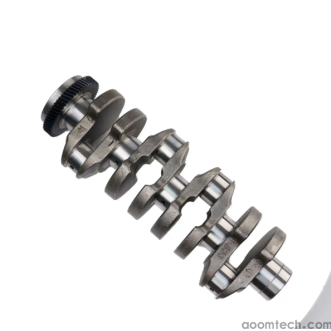
For example, in the automotive industry, CNC-machined engine components such as pistons and crankshafts ensure smooth engine performance and efficiency. In aerospace, precision-machined titanium and aluminum parts contribute to aircraft safety, fuel efficiency, and structural integrity.
The CNC Machining Process for Metal Parts
Design Phase
The process begins with product design using CAD (Computer-Aided Design) software. Engineers create a detailed 3D model of the metal part, considering its function, load requirements, and environmental conditions.
Accuracy in this stage is essential. Even small design errors can lead to assembly issues or functional failure. For instance, a poorly designed metal bracket in construction may fail under load, leading to safety risks and structural damage.
CNC machining process for metal parts depends heavily on the quality of this digital model.
Material Selection
Metal selection in CNC machining is based on strength, weight, corrosion resistance, and thermal properties. Common metals include:
Aluminum: Lightweight, corrosion-resistant, and easy to machine. Common in automotive and electronics parts.
Steel: High strength and durability, widely used in construction and heavy machinery.
Titanium: Excellent strength-to-weight ratio and corrosion resistance, used in aerospace and medical applications.
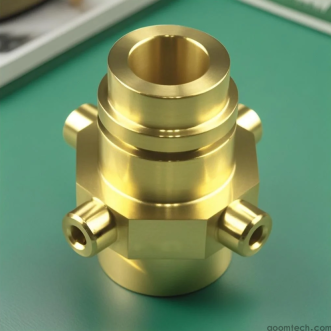
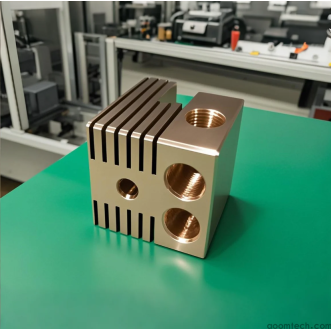
Brass: Good machinability and electrical conductivity, often used in fittings and precision components.
Different metals also affect machining speed, tool wear, and cost. Harder metals like titanium require slower cutting speeds and more durable tools.
CNC Programming
After design approval, the CAD model is converted into CNC code using CAM (Computer-Aided Manufacturing) software. This program defines tool paths, cutting speeds, feed rates, and machining depth.
Precise programming is essential. Incorrect tool paths can result in dimensional errors, poor surface finish, or even machine damage. Optimized programming ensures efficiency and accuracy in metal part production.
Machine Setup and Tooling
Before machining begins, the CNC machine is configured with proper tools and fixtures. Carbide cutting tools are commonly used for metal machining due to their hardness and heat resistance.
Machine parameters such as spindle speed and feed rate must match both the material and tool specifications. Improper setup can lead to tool breakage, vibration, and poor dimensional accuracy.
Machining Operations
Milling
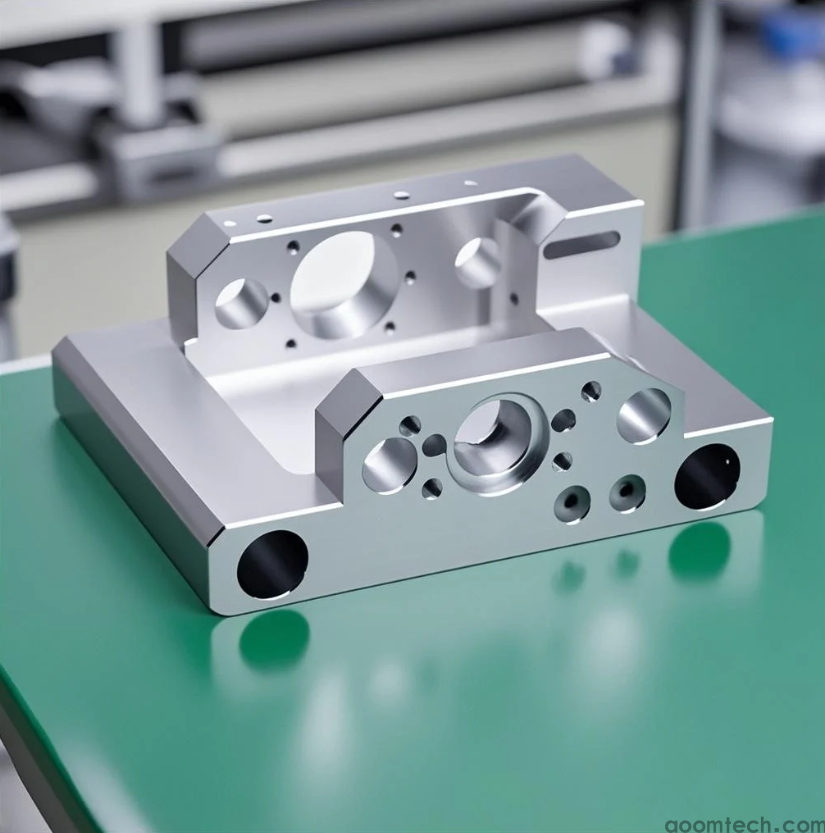
Milling uses rotating cutting tools to remove material and create flat surfaces, slots, and complex shapes. End mills are commonly selected based on geometry and material type.
For harder metals like steel, lower spindle speeds and controlled feed rates help reduce tool wear and overheating.
Turning
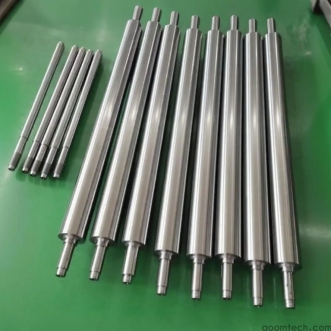
Turning is used to produce cylindrical parts such as shafts and bushings. The workpiece rotates while the cutting tool removes material.
Maintaining concentricity and smooth surface finish is critical. Proper tool selection and stable cutting parameters help prevent vibration and ensure dimensional accuracy.
Drilling and Boring
Drilling creates holes for fasteners, assembly, or fluid passage. Boring refines or enlarges holes to precise tolerances.
Accurate hole placement is essential in assembly operations. Even small deviations can lead to misalignment and mechanical failure.
Advantages of CNC Machining for Metal Parts
High Precision
CNC machining delivers extremely tight tolerances and repeatable results. This precision is essential in industries like aerospace, where even minor deviations can affect system performance and safety.
Advantages of CNC for metal part production include consistency, reduced error rates, and improved product reliability.
Complex Geometries
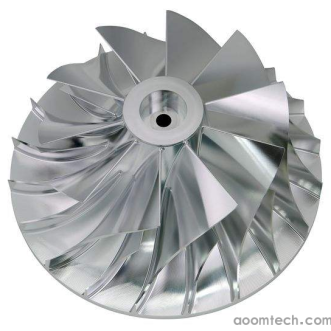
CNC machines can produce intricate shapes that are difficult or impossible with traditional methods. This includes curved surfaces, internal cavities, and detailed 3D structures.
For example, turbine blades in power generation systems require complex aerodynamic profiles that CNC machining can accurately produce.
Efficiency in Production
Once programmed, CNC machines can run continuously with minimal human intervention. This reduces labor costs and increases production speed, making it ideal for large-scale manufacturing.
Industries like automotive manufacturing rely on CNC machining to produce large volumes of consistent metal parts efficiently.
Quality Control in CNC Machining for Metal Parts
In-Process Inspection
During machining, operators regularly check dimensions, tool wear, and surface quality. Tools such as calipers, micrometers, and surface roughness testers are commonly used.
If deviations are detected early, adjustments can be made to machining parameters or CNC programs, preventing defective production runs.
Final Inspection
After machining is complete, parts undergo final inspection using advanced tools such as Coordinate Measuring Machines (CMMs).
Inspection ensures that parts meet all design specifications, including dimensional accuracy, surface finish, and material integrity. Non-conforming parts may be reworked or rejected depending on severity.
Conclusion: The Role of CNC Machining in Metal Part Manufacturing
CNC machining is a cornerstone of modern metal manufacturing. It enables industries to produce precise, durable, and complex components efficiently and consistently.
Understanding the CNC machining process for metal parts—from design and material selection to programming, machining, and inspection—ensures better product quality and reduced manufacturing risks.
Key takeaways include:
Careful design and accurate CAD modeling are essential.
Proper metal selection directly impacts machining performance and product durability.
Optimized CNC programming improves efficiency and reduces errors.
Strong quality control ensures reliable and safe final products.
As manufacturing technology evolves, staying updated with new machining techniques and materials will remain essential for maintaining competitiveness in global industries.
RELATED PRODUCTS
-
Metal Parts CNC Machining
-
CNC Machining Services for Flashlight Ho
-
Metal Parts CNC Machining Services
-
Brass Parts CNC Machining Services
-
Roller CNC Machining Services
-
CNC machining of high-precision parts
-
CNC Machining for Sprockets
-
CNC Machining for Turbine Parts
-
CNC Machining Service for Crankshafts
-
CNC Machining Service for Copper Blocks