Ship Parts CNC Machining
Ship Parts CNC Machining: Precision Manufacturing for the Maritime Industry
In modern shipbuilding, precision and reliability are essential. One of the most important technologies supporting this industry is Ship Parts CNC Machining. It enables manufacturers to produce complex and high-precision components that can withstand harsh marine environments. From engine systems to hull structures and propulsion components, CNC machining plays a critical role in ensuring ships operate safely, efficiently, and durably at sea.
This article explains what ship parts CNC machining is, its importance, types of ship parts CNC machined, the full manufacturing process, benefits, challenges, and how to choose a reliable machining service provider.
What Is Ship Parts CNC Machining?
Ship parts CNC machining refers to the use of computer-controlled machines to manufacture components used in ships and marine systems. CNC stands for Computer Numerical Control, a technology that automates cutting, drilling, milling, and turning operations with extremely high precision.
:contentReference[oaicite:0]{index=0} machining allows engineers to transform digital designs into real ship components with consistent accuracy. This is especially important in the maritime industry, where even small errors can affect safety, fuel efficiency, and long-term durability.
In shipbuilding, CNC machining is widely used for producing engine parts, structural fittings, and propulsion system components that must perform reliably under high pressure, vibration, and corrosion from seawater.
The Importance of Ship Parts CNC Machining
Ship parts operate in one of the most demanding environments on Earth. Saltwater corrosion, heavy loads, and continuous mechanical stress require parts that are extremely strong and precisely manufactured.
Ship Parts CNC Machining ensures:
High accuracy in critical dimensions
Improved safety of ship operations
Long service life of components
Better fuel efficiency and performance
For example, precisely machined engine components help maintain stable combustion and reduce energy loss. Similarly, accurately produced hull fittings ensure leak-free systems and structural strength during long ocean voyages.
Types of Ship Parts CNC Machined
1. Engine Components
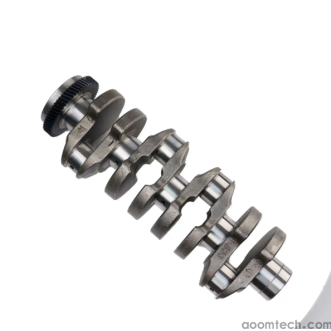
Engine parts are among the most critical types of ship parts CNC machined. These include cylinder liners, pistons, crankshafts, and connecting rods.
These components must withstand high temperatures, pressure, and continuous motion. CNC machining ensures tight tolerances, which are essential for engine efficiency and reliability. For example:
Cylinder liners maintain compression and reduce wear
Pistons are precisely shaped to minimize friction
Crankshafts require perfect balance for smooth power transfer
Materials commonly used include high-strength alloy steels due to their durability and resistance to mechanical stress.
2. Hull Fittings
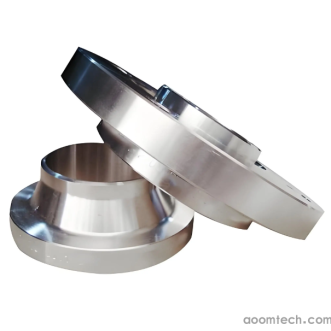
Hull fittings include brackets, flanges, valves, and connectors used throughout the ship’s structure and piping systems.
These parts ensure structural integrity and proper fluid control onboard. CNC machining allows manufacturers to create complex geometries with consistent quality.
For example, precisely machined flanges ensure leak-free connections in seawater, fuel, and hydraulic systems. Stainless steel is often used due to its excellent corrosion resistance in marine environments.
3. Propulsion System Parts
Propulsion components are responsible for moving the ship through water. These include propellers, shafts, and thrust components.
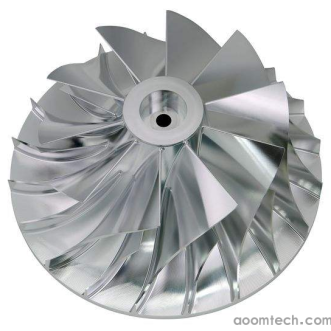
Propellers must be highly precise to generate optimal thrust and reduce fuel consumption. CNC machining enables accurate blade profiles that improve hydrodynamic performance.
Shafts must maintain perfect concentricity to ensure efficient power transmission. Nickel-aluminum-bronze is commonly used for propellers due to its strength and corrosion resistance, while alloy steel is used for shafts.
The CNC Machining Process for Ship Parts
1. Design and Engineering
The process begins with CAD (Computer-Aided Design), where engineers create detailed 3D models of ship components. These designs consider load conditions, marine environment stress, and performance requirements.
After design, CAM (Computer-Aided Manufacturing) software converts the model into machine instructions. A poorly designed part can lead to system failure, making this stage extremely important.
2. Material Selection and Preparation
Material selection is critical in ship parts CNC machining due to the harsh ocean environment. Common materials include stainless steel, aluminum alloys, and high-strength steels.
Each material is chosen based on strength, corrosion resistance, and fatigue resistance. Preparation may include cutting raw material, heat treatment, and surface conditioning to improve machinability and performance.
3. CNC Machining Operations
Milling
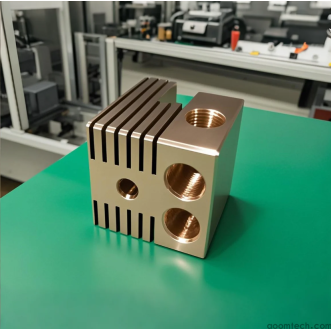
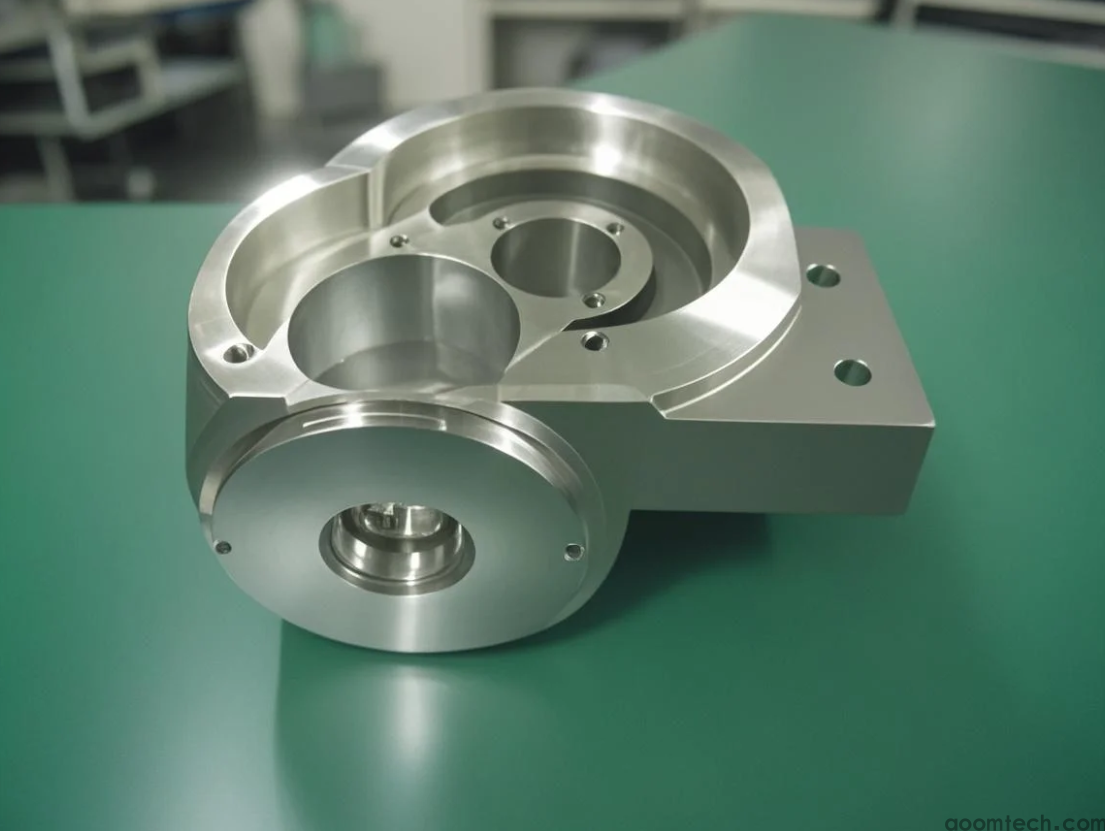
Milling uses rotating cutting tools to remove material and create shapes. It is commonly used for engine housings and hull fittings. Carbide tools are often selected for hard marine materials.
Turning
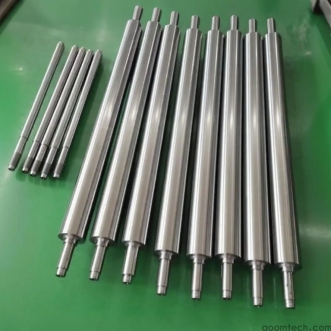
Turning is used for cylindrical parts like shafts. The workpiece rotates while a cutting tool shapes it. Proper control ensures smooth surface finish and high concentricity.
Drilling and Boring
These operations create and refine holes for bolts, pipes, and connections. Accurate hole placement is essential for assembly and safety.
Finishing Operations
Finishing includes grinding, polishing, deburring, and surface coating. These processes improve durability, reduce corrosion, and enhance performance in marine conditions.
Benefits of Ship Parts CNC Machining
High Precision
CNC machining ensures extremely tight tolerances. This precision improves engine efficiency, reduces vibration, and enhances overall ship performance.
Consistent Quality
Once programmed, CNC machines can produce identical parts repeatedly. This consistency reduces defects and increases reliability in large shipbuilding projects.
Customization
Ships often require custom-designed components. CNC machining allows manufacturers to produce unique parts tailored to specific vessel designs and operational needs.
Challenges in Ship Parts CNC Machining
Material Challenges
Marine-grade materials are often hard and difficult to machine. They can cause tool wear and require specialized cutting tools and optimized machining parameters.
Size and Weight
Ship parts are often large and heavy, requiring advanced CNC machines and lifting equipment such as cranes. Proper logistics and handling systems are essential.
Quality Control
Because ship components are safety-critical, strict inspection is required. Advanced tools like CMM (Coordinate Measuring Machines) are used to ensure accuracy and compliance with standards.
How to Choose a CNC Machining Service for Ship Parts
Experience and Expertise
Select a provider with proven experience in ship parts CNC machining. Check their past projects, industry knowledge, and technical capabilities in marine manufacturing.
Quality Assurance System
A reliable supplier must have strict quality control procedures, including material inspection, in-process monitoring, and final inspection using advanced measurement tools.
Cost and Turnaround Time
While cost is important, it should not compromise quality. A good provider offers competitive pricing, clear timelines, and consistent on-time delivery, especially for large shipbuilding projects.
Conclusion
Ship Parts CNC Machining is a key technology in modern maritime engineering. It ensures that critical components such as engines, hull fittings, and propulsion systems are manufactured with high precision and reliability.
By understanding the CNC machining process for ship parts, the materials used, and the benefits and challenges involved, shipbuilders and engineers can make better decisions when selecting manufacturing partners.
As the maritime industry continues to evolve, CNC machining will remain essential for improving ship safety, efficiency, and performance across global waters.
RELATED PRODUCTS
-
Metal Parts CNC Machining
-
CNC Machining Services for Flashlight Ho
-
Metal Parts CNC Machining Services
-
Brass Parts CNC Machining Services
-
Roller CNC Machining Services
-
CNC machining of high-precision parts
-
CNC Machining for Sprockets
-
CNC Machining for Turbine Parts
-
CNC Machining Service for Crankshafts
-
CNC Machining Service for Copper Blocks