Small Parts CNC Machining
Small Parts CNC Machining: Precision Manufacturing for Tiny but Critical Components
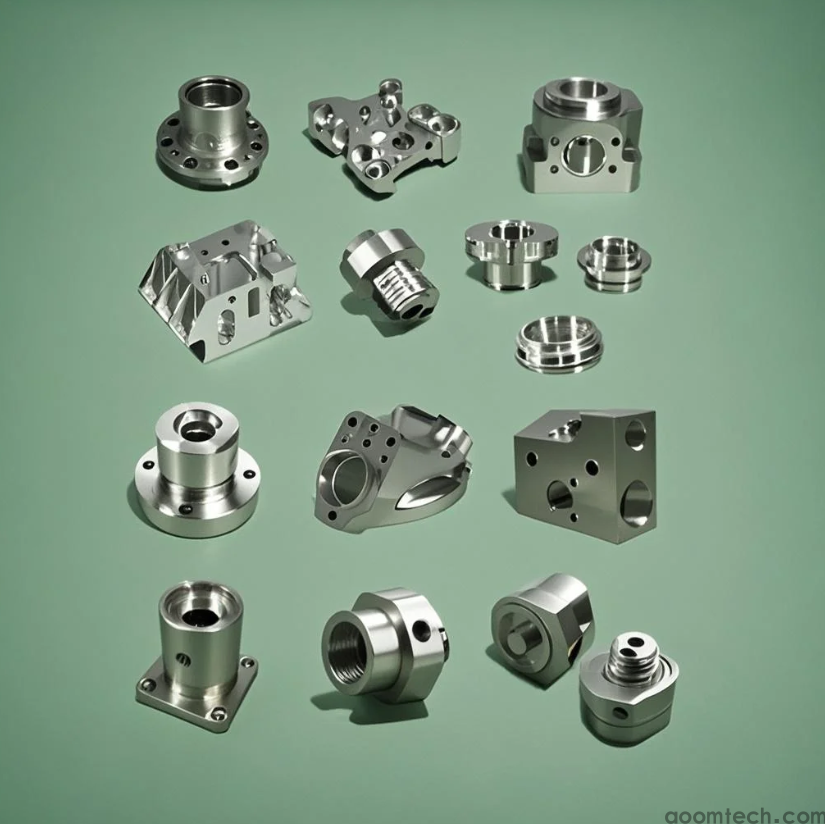
Small Parts CNC Machining is a highly precise manufacturing process used to produce miniature components that are essential in modern industries. Although these parts are small in size, they play a very important role in the performance, safety, and reliability of complex systems. From electronics to aerospace, small parts must meet strict accuracy requirements that traditional manufacturing methods often cannot achieve.
This article explains what small parts CNC machining is, why it is important, the main machining processes, commonly used materials, key challenges, and how to choose a reliable service provider.
Introduction to Small Parts CNC Machining
Small parts are used in almost every advanced industry. Even though they may only measure a few millimeters or less, their function is critical. CNC machining enables manufacturers to produce these components with extreme precision and consistency.
Examples of small parts include:
Electronic micro-connectors used in smartphones and computers
Medical injection needles and surgical micro-components
Watch gears and miniature mechanical springs
Aerospace sensor components and control system micro-parts
For example, micro-connectors in electronic devices ensure stable electrical signals between circuits. Without precise manufacturing, devices may fail or lose performance.
Modern manufacturing often relies on Computer Numerical Control (CNC) Machining to achieve this level of accuracy. :contentReference[oaicite:0]{index=0} allows computer-controlled tools to shape materials with extremely high precision and repeatability.
Importance of CNC Machining for Small Parts
High-Precision Manufacturing
One of the most important benefits of Small Parts CNC Machining is its ability to achieve extremely tight tolerances, often measured in microns. This level of precision is essential because small parts must fit perfectly within larger systems.
Even a tiny deviation can cause serious problems. For example, in medical devices, a slightly incorrect needle size can affect drug delivery accuracy or cause patient discomfort. In aerospace systems, a poorly machined sensor component can lead to incorrect data readings and system failure.
High precision ensures:
Reliable assembly of components
Consistent product performance
Reduced failure rates in critical systems
Complex Geometries and Customization
CNC machining is highly suitable for producing small parts with complex shapes and fine internal features. Many modern devices require custom-designed micro-components that cannot be made using traditional methods.
Examples include:
Micro-channels inside medical diagnostic devices
Miniature gears with special tooth profiles in luxury watches
Sensor housings with internal cavities for aerospace applications
These designs improve efficiency, performance, and functionality. CNC machines can follow detailed digital designs to create these complex structures with accuracy and repeatability.
Cost-Effectiveness for Batch Production
Once a CNC program is created, it can be reused to produce large quantities of identical small parts. This makes CNC machining highly cost-effective for batch production.
Cost savings come from:
Reduced setup time after initial programming
Efficient tool usage and automation
Lower material waste
For industries like consumer electronics, where millions of identical components are needed, CNC machining provides a reliable and economical solution.
Long-tail keyword integration: CNC milling for small parts plays a key role in achieving both precision and efficiency in mass production environments.
CNC Machining Processes for Small Parts
Milling
Milling is one of the most widely used processes in Small Parts CNC Machining. It uses a rotating cutting tool to remove material from a workpiece, creating shapes such as slots, holes, flat surfaces, and complex 3D geometries.
For small parts, very small-diameter end mills are used to reach tight spaces and produce fine details. Cutting parameters such as spindle speed, feed rate, and depth of cut must be carefully adjusted depending on the material.
For example:
Stainless steel requires slower speeds and stronger tools
Plastic materials require lower heat and careful chip control
Long-tail keyword: CNC milling for small parts is widely used in electronics, medical devices, and precision instruments due to its high accuracy and flexibility.
Turning
Turning is used to produce cylindrical small parts such as shafts, pins, and threaded components. In this process, the workpiece rotates while a cutting tool removes material.
Key considerations in small part turning include:
Maintaining concentricity for perfect alignment
Achieving smooth surface finishes
Controlling chip formation to avoid defects
Proper coolant usage and tool maintenance are essential to avoid overheating and tool wear. For example, machining a small brass shaft requires precise control to ensure it fits accurately within mechanical assemblies.
EDM (Electrical Discharge Machining)
EDM is used for very hard materials or extremely detailed shapes that are difficult to machine using traditional cutting tools. It removes material using controlled electrical discharges.
There are two main types:
Wire EDM – used for cutting precise profiles and complex shapes
Die-sinking EDM – used for creating cavities and molds
Although EDM is slower than milling or turning, it provides unmatched precision for complex small components, especially in hardened steel molds or aerospace-grade parts.
Materials Used in CNC Machining of Small Parts
Metals
Metals are widely used in Small Parts CNC Machining because of their strength, durability, and performance in demanding environments.
Stainless Steel: High strength and corrosion resistance, used in medical and industrial applications
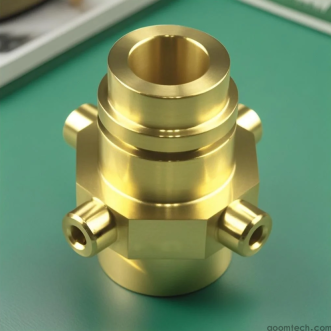
Brass: Excellent machinability and electrical conductivity, ideal for connectors and electrical components
Titanium: Lightweight, strong, and biocompatible, used in aerospace and medical implants
Each metal requires specific machining conditions to ensure accuracy and surface quality.
Plastics
Plastics are widely used due to their lightweight nature and cost efficiency. They are commonly used in electronics, medical devices, and consumer products.
Polycarbonate: Strong and impact-resistant
PEEK (Polyether Ether Ketone): High-temperature resistance and chemical stability
Acrylic: Good clarity and easy machining
Materials for CNC-machined small components must be selected carefully based on strength, heat resistance, and application environment. For example, PEEK requires controlled machining speeds due to its thermal sensitivity.
Challenges in CNC Machining of Small Parts
Tool Wear and Breakage
Small tools used in machining are more fragile and prone to wear. High precision requirements increase stress on cutting tools, especially when working with hard materials.
Solutions include:
Using carbide or diamond-coated tools
Monitoring tool wear regularly
Optimizing toolpaths to reduce stress
Heat Generation
Heat is a major issue in small-scale machining. Excess heat can damage both the tool and the workpiece, especially in plastics and low-conductivity metals.
Solutions include:
Using proper coolant systems
Adjusting cutting speeds and feed rates
Using heat-resistant tool materials
Handling and Inspection
Because small parts are delicate, handling them without damage is difficult. Inspection also requires specialized tools.
Common solutions include:
Using precision tweezers and vacuum handling systems
Microscopes for manual inspection
Automated optical inspection systems for mass production
Choosing a Service for Small Parts CNC Machining
Technical Expertise
When selecting a provider, technical experience is critical. A skilled manufacturer understands how to handle different materials, tolerances, and design complexities.
You should evaluate:
Previous case studies in similar industries
Engineering and machining qualifications
Sample part quality and precision
A company experienced in aerospace or medical components is often better suited for high-precision work.
Quality Assurance
A strong quality control system ensures that every part meets strict standards. This includes both in-process and final inspections.
Common tools used include:
Micro-coordinate measuring machines
High-magnification microscopes
Surface profilometers
Good quality systems reduce defects and improve long-term reliability.
Cost-Effectiveness and Lead Times
While cost is important, it should not compromise quality. Reliable suppliers provide balanced pricing and realistic delivery schedules.
Choosing a service for small parts CNC machining should include comparing multiple suppliers, reviewing past delivery performance, and evaluating production capability.
Conclusion
Small Parts CNC Machining is a vital manufacturing process that supports many modern industries, including electronics, aerospace, automotive, and medical technology. Despite their size, small parts require extremely high precision and careful production methods.
By understanding machining processes, material selection, and production challenges, businesses can make better decisions when sourcing precision components. Whether it is CNC milling for small parts, advanced EDM processing, or selecting materials for CNC-machined small components, the right knowledge ensures better product performance and reliability.
Choosing a qualified and experienced CNC machining partner is the key to achieving consistent quality, cost efficiency, and long-term success in manufacturing small precision parts.
RELATED PRODUCTS
-
Metal Parts CNC Machining
-
CNC Machining Services for Flashlight Ho
-
Metal Parts CNC Machining Services
-
Brass Parts CNC Machining Services
-
Roller CNC Machining Services
-
CNC machining of high-precision parts
-
CNC Machining for Sprockets
-
CNC Machining for Turbine Parts
-
CNC Machining Service for Crankshafts
-
CNC Machining Service for Copper Blocks