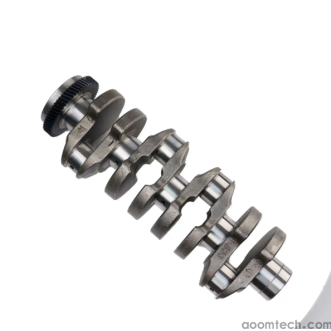
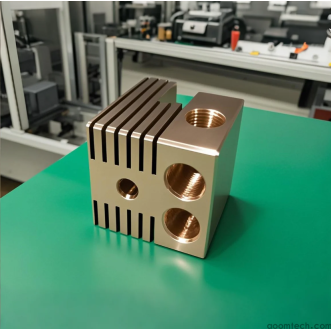
CNC Machining Precision Automotive Parts
CNC Machining Precision Automotive Parts
Introduction to CNC Machining Precision Automotive Parts
CNC Machining Precision Automotive Parts play a vital role in the modern automotive industry. CNC (Computer Numerical Control) machining is a manufacturing process that uses computer-controlled machines to produce highly accurate and complex components. In the automotive sector, even a very small error in a part can affect vehicle safety, performance, and durability. This is why precision is essential.
From engine systems to transmission assemblies, CNC machining ensures that every component meets strict engineering standards. Parts such as pistons, shafts, brake components, and gear housings all rely on CNC technology to achieve consistent quality and tight tolerances.
This article explains the process of CNC machining automotive precision parts, its benefits, challenges, and how manufacturers ensure high-quality production in real-world applications.
The Significance of CNC Machining in Automotive Precision Parts
In the automotive industry, precision parts are critical for safety, efficiency, and performance. CNC Machining Precision Automotive Parts are designed to meet extremely strict requirements, ensuring vehicles operate smoothly under different driving conditions.
For example, engine components such as cylinder heads and pistons must be manufactured with exact dimensions to ensure efficient fuel combustion. Similarly, transmission parts require precise shaping to allow smooth gear shifting and reduce energy loss.
Without CNC machining, it would be difficult to achieve the consistency and accuracy needed for modern automotive systems. This is why manufacturers depend heavily on CNC technology for both mass production and customized vehicle components.
The Process of CNC Machining Precision Automotive Parts
Design and Engineering
The first step in CNC machining automotive precision parts is the design phase. Automotive engineers use CAD (Computer-Aided Design) software to create detailed 3D models of each component. These designs consider mechanical loads, temperature conditions, and space constraints within the vehicle.
A well-designed model ensures manufacturability and reduces production errors. Poor design can lead to functional issues, such as engine inefficiency or mechanical failure. Therefore, this stage is critical for successful production.
Material Selection
Material selection directly affects the performance and durability of automotive parts. Different applications require different materials:
High-strength alloy steel – Used for engine and transmission components due to durability and heat resistance.
Aluminum alloys – Used for body parts to reduce weight and improve fuel efficiency.
Titanium alloys – Used in high-performance or racing applications for strength and lightweight properties.
Choosing the right material is a key part of the process of CNC machining automotive precision parts, as it influences machining speed, tool selection, and final performance.
CNC Programming
Once the design is finalized, it is converted into machine instructions using CAM (Computer-Aided Manufacturing) software. This step creates the CNC program, which includes toolpaths, cutting speeds, feed rates, and machining depth.
Accurate programming is essential. Any mistake in code can result in incorrect dimensions or surface defects, leading to part rejection or performance issues in the vehicle.
Machine Setup and Tooling
Before machining begins, the CNC machine must be properly configured. This includes selecting cutting tools, fixtures, and work-holding devices.
For example, carbide tools are commonly used for hard metals, while coated tools improve durability and reduce wear. Proper setup ensures stability and accuracy throughout the machining process.
Machining Operations
Milling
Milling is used to create flat surfaces, slots, and complex 3D shapes. The cutting tool rotates while the workpiece remains fixed or moves along controlled paths. This process is widely used for engine blocks and housing components.
Turning
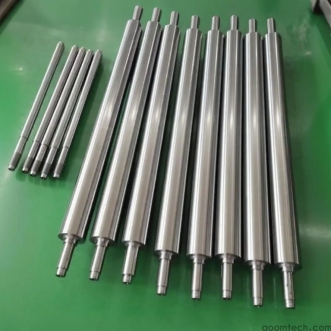
Turning is used for cylindrical parts such as shafts and axles. The workpiece rotates while a cutting tool removes material. This method ensures high concentricity and smooth surface finish, which is essential for rotating automotive parts.
Drilling and Boring
Drilling creates holes for bolts, pins, or fluid channels, while boring refines existing holes to precise dimensions. These processes are essential in components like transmission housings and brake systems.
Quality Control
Quality control is a critical step in CNC Machining Precision Automotive Parts production. Manufacturers use advanced inspection tools such as Coordinate Measuring Machines (CMM), hardness testers, and surface profilometers.
Each part is checked for dimensional accuracy, surface quality, and structural integrity. If a part does not meet specifications, it is either reworked or discarded to ensure vehicle safety and reliability.
Benefits of CNC Machining Precision Automotive Parts
High Precision and Consistency
One of the biggest advantages of CNC machining is its ability to produce parts with extremely tight tolerances. This ensures consistent performance across thousands or even millions of components.
Customization Flexibility
CNC machining allows manufacturers to create custom automotive parts for specific vehicle models or performance requirements. This is especially useful for electric vehicles, racing cars, and limited-edition designs.
Cost-Effective Small Batch Production
Unlike traditional manufacturing methods, CNC machining is ideal for small-batch production. It reduces tooling costs and allows manufacturers to produce parts efficiently without large-scale investment.
This makes it a preferred solution for aftermarket components and prototype development.
Challenges in CNC Machining Precision Automotive Parts
High-Strength Materials
Automotive parts often use hard materials like alloy steel and titanium, which are difficult to machine. These materials increase tool wear and require specialized cutting tools and optimized machining parameters.
Complex Geometries
Modern vehicles require parts with complex shapes and internal structures. Multi-axis CNC machines and advanced CAM software are necessary to achieve these designs accurately.
Quality Assurance and Traceability
Maintaining traceability is essential in the automotive industry. Every part must be tracked from production to installation. Manufacturers often use digital tracking systems, barcodes, or RFID technology to ensure full traceability and compliance with industry standards.
Ensuring High-Quality CNC Machining of Precision Automotive Parts
Partnering with Experienced Manufacturers
Working with experienced suppliers is one of the most effective ways to ensure quality. Reliable manufacturers follow strict quality management systems and often comply with international automotive standards such as IATF 16949.
Continuous Process Improvement
Leading manufacturers continuously improve their CNC machining processes by adopting new technologies, upgrading machines, and training staff. This improves efficiency, reduces waste, and enhances product quality.
Effective Communication
Clear communication between designers, engineers, and manufacturers is essential. Miscommunication can lead to production errors, delays, or defective parts. Proper documentation and regular coordination help ensure that all requirements are met accurately.
Conclusion
CNC Machining Precision Automotive Parts are the foundation of modern vehicle manufacturing. They ensure high performance, safety, and reliability across all automotive systems. Through advanced design, material selection, precise programming, and strict quality control, CNC machining delivers components that meet the demanding standards of the automotive industry.
Although challenges such as complex geometries and hard materials exist, advancements in CNC technology continue to improve efficiency and precision. By partnering with experienced manufacturers and focusing on continuous improvement, companies can achieve consistent, high-quality production results.
As the automotive industry evolves toward electric and high-performance vehicles, the demand for precision-engineered components will continue to grow, making CNC machining an essential manufacturing solution for the future.
RELATED PRODUCTS
-
Metal Parts CNC Machining
-
CNC Machining Services for Flashlight Ho
-
Metal Parts CNC Machining Services
-
Brass Parts CNC Machining Services
-
Roller CNC Machining Services
-
CNC machining of high-precision parts
-
CNC Machining for Sprockets
-
CNC Machining for Turbine Parts
-
CNC Machining Service for Crankshafts
-
CNC Machining Service for Copper Blocks