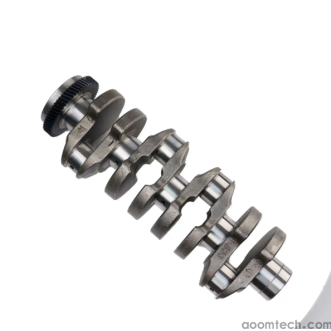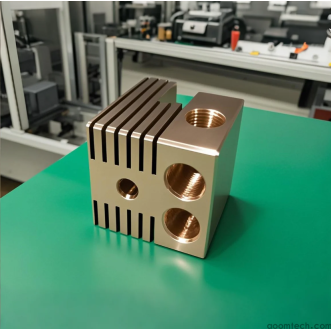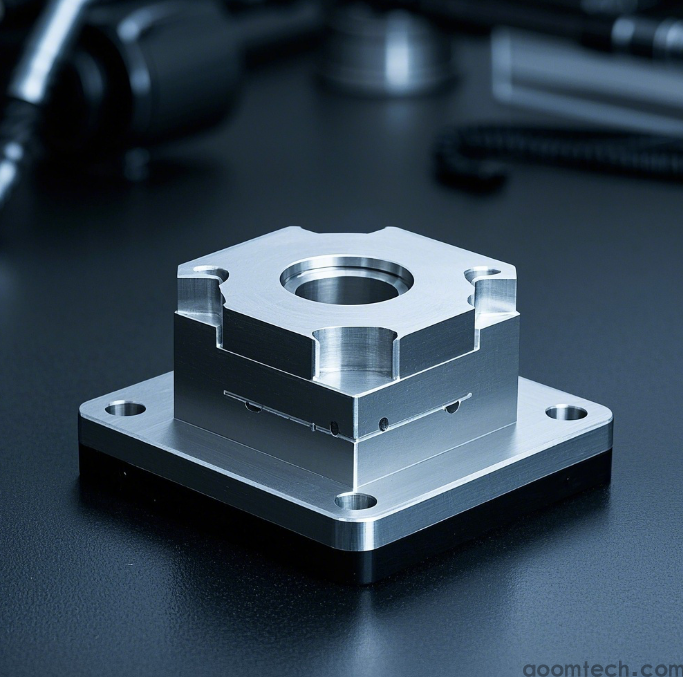
Mass Production CNC Machining Steel Parts
Mass Production CNC Machining Steel Parts
Mass Production CNC Machining Steel Parts is a modern manufacturing approach used to produce large quantities of high-precision steel components efficiently and consistently. It combines computer-controlled machining technology with durable steel materials to meet the demands of industries such as automotive, construction, energy, and heavy machinery.
This article explains what the process involves, why it is important, how it works, the materials used, the main challenges, and how to choose a reliable machining partner. It is written in simple English to help global readers clearly understand the topic.
Introduction to Mass Production CNC Machining Steel Parts
The Significance of Steel Parts in Mass Production
Steel parts are the backbone of modern manufacturing. Their high strength, toughness, and durability make them suitable for demanding applications where performance and safety are critical. In mass production environments, steel components ensure that machines, vehicles, and infrastructure systems work reliably over long periods.
For example, automotive engine blocks must withstand high temperatures and pressure. Construction beams support heavy structural loads in buildings and bridges. Industrial machine components such as gears, shafts, and housings must operate continuously under stress. Without high-quality steel parts, these systems would fail or lose efficiency quickly.
Importance of CNC Machining in Mass-Production Steel Parts
Consistent Precision
CNC machining enables manufacturers to produce steel parts with extremely consistent accuracy. Computer-controlled systems follow programmed instructions, ensuring every part matches the required design specifications.
This precision is essential in complex assemblies. If even a small deviation occurs, it can lead to assembly issues, mechanical failure, or safety risks. For example, in automotive manufacturing, inconsistent engine block dimensions can reduce engine efficiency, increase fuel consumption, or cause long-term damage.
High-Efficiency Production
One of the major advantages of CNC machining is its ability to operate continuously once the program is set. Machines can run with minimal interruption, producing large quantities of parts in a short time.
Automated tool changers, optimized toolpaths, and reduced manual setup time significantly increase production efficiency. In industries like automotive manufacturing, this allows suppliers to meet strict production schedules and high-volume demand.
Cost-Effectiveness in Volume
Although CNC machines and programming require an initial investment, the cost per part decreases significantly in mass production. This is due to economies of scale, reduced labor dependency, and optimized material usage.
For example, producing large quantities of steel construction components through CNC machining can be more cost-effective than traditional manual machining methods, especially when precision and repeatability are required.
CNC Machining Processes for Mass-Produced Steel Parts
CNC Milling for Mass-Produced Steel Parts
Milling is a key process in CNC milling for mass-produced steel parts. A rotating cutting tool removes material from a steel workpiece to create flat surfaces, grooves, holes, and complex 3D shapes.
Carbide-tipped tools are commonly used because they can handle the hardness of steel. Cutting parameters such as spindle speed, feed rate, and depth of cut must be carefully controlled. Steel typically requires slower cutting speeds to reduce tool wear and maintain accuracy.
Sharp tools are essential for achieving good surface finish and preventing vibration (chatter), which can reduce part quality. Milling is widely used for producing automotive components, machine bases, and structural parts.
Turning
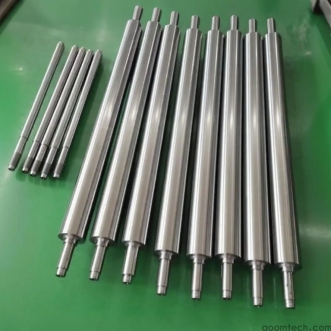
Turning is used to manufacture cylindrical steel parts such as shafts, rods, and axles. In this process, the workpiece rotates while a cutting tool removes material to achieve the desired shape and dimensions.
Maintaining concentricity and surface finish is critical. Coolant systems help control heat and improve chip removal. Proper tool selection reduces wear and ensures consistent output during large-scale production.
Drilling
Drilling creates precise holes in steel parts for assembly, fastening, or fluid passage. High-speed steel (HSS) or coated carbide drills are commonly used for better durability.
Heat control is important to prevent tool damage and maintain hole accuracy. In mass production, even small deviations in hole placement can lead to assembly failures, making precision drilling essential.
Steel Materials and Their Machining Characteristics
Carbon Steel
Carbon steel is widely used due to its strength, availability, and affordability. Its machinability depends on carbon content. Low-carbon steel is easier to machine, while high-carbon steel is harder and requires slower cutting speeds and stronger tools.
Alloy Steel
Alloy steel contains elements such as chromium, nickel, and molybdenum, which enhance strength, wear resistance, and heat resistance. However, these additions make machining more challenging.
To machine alloy steel effectively, manufacturers use high-performance cutting tools and optimized machining parameters to reduce tool wear and maintain accuracy.
Stainless Steel
Stainless steel is widely used for its corrosion resistance. However, it tends to work-harden during machining, which increases cutting difficulty.
Sharp tools, proper coolant application, and controlled cutting speeds are necessary to prevent overheating and maintain a smooth surface finish.
Challenges in Mass Production CNC Machining of Steel Parts
Tool Wear and Replacement
Continuous machining of steel leads to gradual tool wear. In mass production environments, worn tools can reduce accuracy and increase defect rates.
To solve this, manufacturers use wear-resistant tools, monitor tool condition using sensors, and implement scheduled tool replacement systems. Proper inventory planning ensures uninterrupted production.
Quality Control
Maintaining consistent quality across thousands of parts is a major challenge. Even small variations can lead to product failure.
Modern factories use in-process inspection systems, coordinate measuring machines (CMM), and automated quality checks to ensure each part meets specifications. Early detection of defects reduces waste and improves efficiency.
Production Planning and Scheduling
Efficient production requires coordination between materials, machines, and workforce. Any disruption can affect delivery timelines.
Manufacturers often use production planning software to schedule operations and manage workloads. Backup machines and supplier coordination help reduce delays caused by equipment failure or material shortages.
Choosing a CNC Machining Partner for Mass-Produced Steel Parts
Technical Expertise
When selecting a partner for choosing a partner for mass production CNC machining steel parts, technical capability is essential. A reliable manufacturer should understand different steel materials, machining processes, and mass production requirements.
Evaluating case studies, sample parts, and engineering experience helps determine whether the partner can meet your project needs. Experience in your specific industry is a strong advantage.
Quality Assurance
A strong quality management system ensures consistency and reliability. Leading manufacturers use advanced inspection tools such as CMM machines, hardness testers, and surface measurement devices.
Effective quality control includes in-process inspections, final inspections, and clear handling procedures for non-conforming parts. This ensures that only qualified products reach customers.
Cost-Effectiveness and Lead Times
Cost is important, but it should be balanced with quality and reliability. A good CNC partner provides transparent pricing and realistic delivery timelines.
Comparing multiple suppliers helps identify the best balance of cost and performance. A proven on-time delivery record is also a strong indicator of reliability in mass production environments.
Conclusion
Mass Production CNC Machining Steel Parts plays a critical role in modern industrial manufacturing. It delivers high precision, efficiency, and cost-effectiveness for producing large volumes of steel components used in essential applications.
From CNC milling for mass-produced steel parts to turning and drilling processes, every step must be carefully controlled to ensure quality and consistency. Material selection, tool management, and quality control systems all contribute to successful production.
By understanding the processes, challenges, and selection criteria, businesses can make informed decisions when choosing a machining partner and ensure long-term manufacturing success.
RELATED PRODUCTS
-
Metal Parts CNC Machining
-
CNC Machining Services for Flashlight Ho
-
Metal Parts CNC Machining Services
-
Brass Parts CNC Machining Services
-
Roller CNC Machining Services
-
CNC machining of high-precision parts
-
CNC Machining for Sprockets
-
CNC Machining for Turbine Parts
-
CNC Machining Service for Crankshafts
-
CNC Machining Service for Copper Blocks