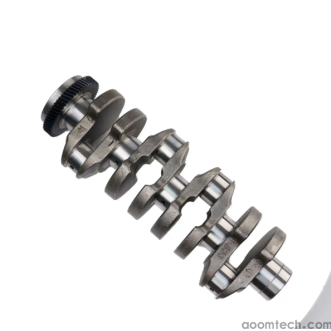
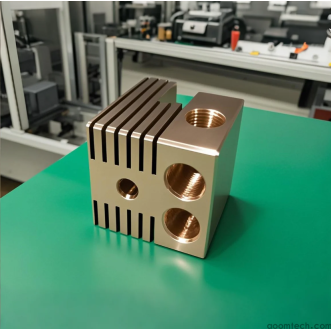
CNC Machining Bushings
CNC Machining Bushings: Process, Materials, Benefits, and Quality Control
CNC Machining Bushings plays a critical role in modern manufacturing by producing highly accurate and durable components used in machines across many industries. Bushings are small but essential parts that reduce friction, support loads, and guide moving components. When manufactured with CNC (Computer Numerical Control) machining, they achieve high precision, consistency, and long service life.
This article explains the CNC machining process for bushings, material selection, key benefits, and quality control of CNC-machined bushings in a clear and practical way for global readers.
Introduction to CNC Machining Bushings
Bushings are cylindrical or sleeve-like components installed between moving parts to reduce wear and friction. They are widely used in automotive engines, industrial pumps, conveyor systems, agricultural machinery, and robotics.
Without bushings, metal-to-metal contact would cause rapid wear, noise, overheating, and mechanical failure. CNC machining ensures that bushings are produced with tight tolerances and smooth surface finishes, which directly improves machine efficiency and lifespan.
Compared with traditional manual manufacturing, CNC machining offers repeatability and accuracy that modern industries require. This is especially important in high-speed or heavy-load applications where even small dimensional errors can cause system failure.
The CNC Machining Process for Bushings
Design Phase
The process begins with engineering design using CAD (Computer-Aided Design) software. Designers create a detailed 3D model of the bushing, defining its inner diameter, outer diameter, length, and special features such as grooves or lubrication channels.
Design considerations include load type, speed, temperature, friction requirements, and the environment in which the bushing will operate. For example, a bushing used in a high-speed rotating shaft must handle heat buildup and centrifugal force while maintaining dimensional stability.
A precise design is essential because it directly determines the performance and reliability of the final component.
CNC Programming
Once the CAD model is finalized, it is converted into a CNC program using CAM (Computer-Aided Manufacturing) software. This stage is often referred to as part of the broader CNC machining process for bushings.
The program defines toolpaths, spindle speed, feed rate, cutting depth, and tool selection. Engineers adjust machining parameters based on material type and geometry complexity to ensure optimal performance and surface finish.
For example, stainless steel requires slower cutting speeds compared to aluminum to prevent overheating and tool wear.
Machine Setup and Tooling
At this stage, the CNC machine is prepared for production. Operators install cutting tools such as drills, boring bars, and reamers. Fixtures are used to securely hold the raw material in place during machining.
Tool selection depends on the material and design of the bushing. Carbide tools are commonly used for hard metals, while high-speed steel tools may be used for softer materials.
Machine settings such as spindle speed and coolant flow are configured according to the CNC program to ensure stability and precision during machining.
Machining Operations
The main machining steps for bushings typically include drilling, boring, and turning.
Drilling
Drilling is used to create the initial internal hole of the bushing. The drill size is carefully selected based on the required inner diameter. Proper speed and feed rates are essential to ensure straightness and avoid tool deflection.
For softer materials like aluminum, higher spindle speeds can be used. For harder materials such as stainless steel, slower speeds reduce heat and tool wear.
Boring
Boring is a precision operation used to enlarge and refine the internal hole created during drilling. This step ensures accurate diameter control and smooth internal surface finish.
Boring also corrects minor misalignment from drilling, ensuring the hole is perfectly concentric. This is crucial in applications where the bushing must support rotating shafts.
Turning
Turning is used to shape the outer diameter of the bushing. The workpiece rotates while a cutting tool removes material to achieve the desired dimensions.
Additional features such as grooves, chamfers, or lubrication channels can also be created during this process. Proper cutting parameters help ensure smooth surface quality and dimensional accuracy.
Material Selection for CNC Machined Bushings
Metals
Metal materials are widely used in bushings due to their strength and durability.
Bronze: Known for excellent self-lubricating properties, commonly used in hydraulic systems and heavy-load applications.
Brass: Offers good corrosion resistance and machinability, suitable for general-purpose bushings.
Steel: Used in high-strength applications where durability and load-bearing capacity are critical.
Material selection in bushing CNC machining depends heavily on operating conditions such as load, speed, and lubrication availability.
Plastics
Engineering plastics are also commonly used in modern bushing production due to their low friction and corrosion resistance.
Nylon: Strong and wear-resistant, suitable for general mechanical applications.
PTFE (Teflon): Extremely low friction, ideal for high-performance low-wear systems.
Acetal: Offers excellent dimensional stability and good mechanical strength.
Plastic bushings are often used in food processing equipment, medical devices, and lightweight machinery where lubrication is limited or not possible.
Composite Materials
Composite bushings combine multiple materials to achieve a balance of strength, weight, and wear resistance. They are often used in aerospace and advanced engineering applications.
These materials are designed to perform under extreme conditions while reducing weight and maintenance requirements.
Benefits of CNC Machining for Bushings
High Precision
CNC machining ensures extremely tight tolerances and repeatability. This is essential for bushings, where even small deviations can lead to vibration, noise, or premature wear.
High-precision CNC-machined bushings are widely used in robotics and automation systems where accuracy directly affects performance.
Efficiency
Once programmed, CNC machines can produce large quantities of bushings with minimal human intervention. This improves production speed and reduces labor costs.
Automation also allows continuous operation, making it suitable for mass production and urgent manufacturing demands.
Customization
CNC machining allows manufacturers to create custom bushings with unique shapes, sizes, and internal structures.
This flexibility is especially useful for specialized machinery that requires non-standard components or optimized designs for specific environments.
Quality Control in CNC Machining of Bushings
In-Process Inspection
Quality control begins during machining. Operators regularly check dimensions, surface finish, and tool condition.
Common measuring tools include calipers, micrometers, and surface roughness testers. Early detection of errors helps prevent defective batches and reduces waste.
If deviations are detected, CNC parameters are adjusted immediately to maintain consistency.
Final Inspection
After machining is complete, each bushing undergoes final inspection to ensure it meets all design requirements. This stage is a key part of quality control of CNC-machined bushings.
Advanced equipment such as Coordinate Measuring Machines (CMM) is used to verify dimensional accuracy and geometric consistency.
Inspection criteria typically include:
Dimensional tolerances (inner and outer diameter, length)
Surface roughness values
Roundness and concentricity
Material integrity and defect detection
Non-conforming parts are either reworked or rejected depending on the severity of the issue.
Conclusion: Mastering CNC Machining of Bushings
CNC Machining Bushings is a highly precise manufacturing process that combines engineering design, advanced programming, material science, and strict quality control. Each stage plays a vital role in ensuring the final product performs reliably under real-world conditions.
Key takeaways include:
Accurate design is the foundation of high-quality bushings
Proper material selection in bushing CNC machining ensures performance and durability
CNC machining provides precision, efficiency, and customization advantages
Strict inspection processes guarantee consistent quality and reliability
For manufacturers, continuous improvement in CNC programming, tool technology, and inspection methods is essential. As industries evolve toward higher precision and automation, CNC-machined bushings will continue to be a fundamental component in modern mechanical systems.
Reliable industry knowledge from sources such as machining engineering standards and manufacturing handbooks (e.g., ASM technical references) consistently supports the importance of precision machining and quality control in producing functional and durable mechanical components.
RELATED PRODUCTS
-
Metal Parts CNC Machining
-
CNC Machining Services for Flashlight Ho
-
Metal Parts CNC Machining Services
-
Brass Parts CNC Machining Services
-
Roller CNC Machining Services
-
CNC machining of high-precision parts
-
CNC Machining for Sprockets
-
CNC Machining for Turbine Parts
-
CNC Machining Service for Crankshafts
-
CNC Machining Service for Copper Blocks