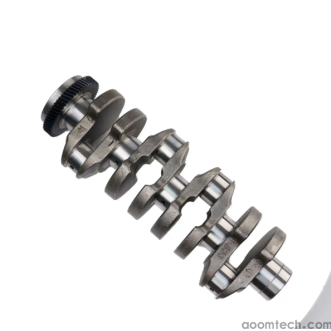
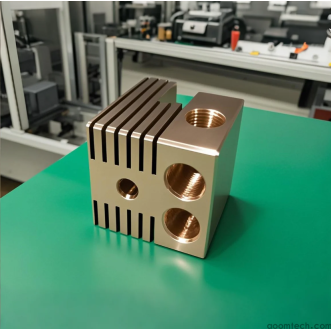
CNC Machining Components
CNC Machining Components: A Complete Guide to Types, Process, Materials, and Applications
Introduction to CNC Machining Components
CNC Machining Components are the essential parts used in machines, devices, and systems across many industries. CNC stands for :contentReference[oaicite:0]{index=0}, a manufacturing method where computers control machines to cut, shape, and form materials with high accuracy.
These components are the building blocks of modern products—from aircraft engines to smartphones. Without them, most mechanical and electronic systems would not function properly.
Understanding CNC machining components is important for manufacturers, engineers, and product designers because it helps improve product quality, reduce production errors, and support better design decisions. Thanks to CNC technology, companies can produce highly precise and consistent parts for large-scale production.
The Significance of CNC Machining Components
CNC machining components are used in nearly every industry. Their importance comes from their precision, strength, and reliability. Even a small error in a component can affect the performance of an entire system.
These components ensure:
Accurate movement in machines
Stable performance of electronic systems
Safety in medical and aerospace applications
Because of their versatility, CNC machining has become a key technology in modern manufacturing.
Types of CNC Machining Components
Mechanical Components
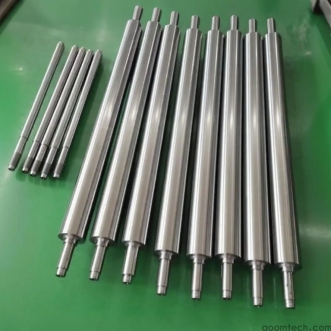
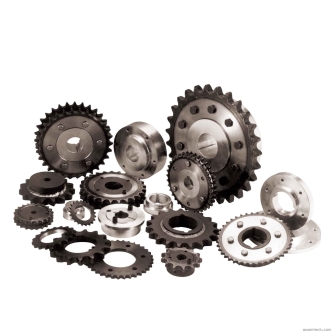
Mechanical parts such as gears, shafts, and brackets are among the most common CNC machining components.
Gears are used for power transmission and speed control in machines. Shafts transfer torque and support rotating motion. Brackets provide structural support and help assemble parts securely.
CNC machining allows these parts to be produced with very tight tolerances, ensuring smooth operation in industries like automotive systems, robotics, and industrial machinery.
Electronics-Related Components
Electronics components include heat sinks, connectors, and enclosures.
Heat sinks prevent overheating in electronic devices. Connectors ensure stable electrical connections. Enclosures protect internal components from dust, moisture, and damage.
CNC machining ensures these parts are produced with precise dimensions and smooth finishes, which is important for consumer electronics, telecom equipment, and aerospace electronics.
Medical Components
Medical CNC components include surgical tools, implants, and diagnostic device parts.
These components require extremely high precision and must often be biocompatible and sterilizable. CNC machining helps achieve this by allowing precise shaping of materials like titanium and medical-grade stainless steel.
Examples include orthopedic implants, dental tools, and surgical cutting instruments.
The CNC Machining Process for Components
Design and CAD Modeling
The process begins with design using CAD (Computer-Aided Design) software. Engineers create a 3D model of the component, defining its size, shape, and function.
For example, a gear design includes tooth shape and spacing, while a medical implant design focuses on human compatibility and structural strength.
CNC Programming
The CAD model is converted into machine instructions using CAM (Computer-Aided Manufacturing) software. This creates a CNC program that defines tool paths, cutting speeds, and feed rates.
A well-written program ensures accurate production and reduces material waste. Complex parts may require multi-axis machining strategies for better precision.
Material Selection and Preparation
Material selection in CNC-machined components is critical for performance and durability. Common materials include aluminum, steel, titanium, plastics, and composites.
Each material is chosen based on strength, weight, corrosion resistance, and machinability. Materials are often cut to size or heat-treated before machining to improve performance.
Machine Setup and Tooling
The CNC machine is prepared with fixtures to hold the material firmly in place. The correct cutting tools are selected based on the operation, such as milling, drilling, or turning.
Machine settings like spindle speed and feed rate are adjusted according to the material type and design requirements.
Machining Operations and Quality Control
Machining operations include milling, turning, drilling, and grinding. Each step shapes the component into its final form.
Quality control is performed during and after machining using tools like calipers, micrometers, and coordinate measuring machines (CMM). This ensures the final component meets exact specifications.
Benefits of CNC Machining for Components
High Precision and Accuracy
CNC machining produces components with extremely tight tolerances. This level of accuracy is essential in industries like aerospace and medical technology, where even small errors can lead to failure.
Design Flexibility
CNC machining allows the production of complex shapes that are difficult or impossible to create using traditional methods. This supports innovation in product design.
Consistent Quality
Once programmed, CNC machines can produce identical parts repeatedly. This ensures consistent quality in mass production, reducing defects and improving reliability.
Material Selection for CNC Machining Components
Metals
Metals like aluminum, steel, and titanium are widely used in CNC machining components.
Aluminum is lightweight and easy to machine. Steel offers high strength and durability. Titanium provides excellent strength-to-weight ratio and corrosion resistance.
Plastics
Plastics such as ABS, PETG, and polycarbonate are used for lightweight and cost-effective components.
They are commonly used in consumer products and electronic housings due to their ease of machining and good dimensional stability.
Composites
Composite materials combine strength and low weight but require special machining techniques to avoid damage such as delamination.
Quality Control in CNC Machining of Components
In-Process Inspection
During machining, measurements are taken regularly to ensure accuracy. If any deviation is found, adjustments are made immediately to avoid defective parts.
Final Inspection
After machining, components undergo final inspection using advanced measuring tools like CMM systems. This checks dimensions, surface quality, and functionality.
Non-conforming parts are either reworked or rejected to maintain production standards.
Applications of CNC Machined Components
Aerospace Industry
CNC machining components are used in aircraft engines, landing gear, and structural parts. These components must be extremely precise and reliable to ensure flight safety.
Automotive Industry
Automotive systems rely on CNC parts such as engine blocks, transmission components, and suspension parts. These improve performance, durability, and fuel efficiency.
Consumer Goods Industry
Many consumer products, including electronics casings, furniture parts, and sports equipment, use CNC-machined components for better design and durability.
Conclusion: The Role of CNC Machining Components in Modern Manufacturing
CNC Machining Components play a vital role in modern production systems. From mechanical assemblies to medical devices, they ensure precision, reliability, and efficiency.
Key takeaways include:
Different types of components serve different industries
The CNC machining process ensures accuracy and repeatability
Material selection directly affects performance and durability
Quality control is essential for maintaining standards
For manufacturers and engineers, staying updated with CNC machining technologies and improving design and inspection methods is essential for achieving high-quality results in today’s competitive market.
RELATED PRODUCTS
-
Metal Parts CNC Machining
-
CNC Machining Services for Flashlight Ho
-
Metal Parts CNC Machining Services
-
Brass Parts CNC Machining Services
-
Roller CNC Machining Services
-
CNC machining of high-precision parts
-
CNC Machining for Sprockets
-
CNC Machining for Turbine Parts
-
CNC Machining Service for Crankshafts
-
CNC Machining Service for Copper Blocks