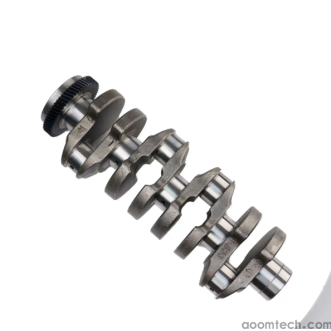
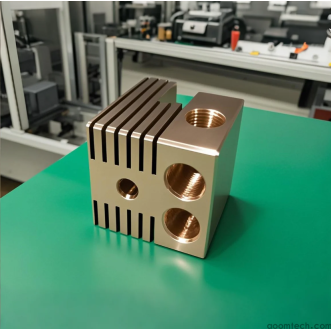
Custom Parts CNC Machining
Custom Parts CNC Machining
Introduction to Custom Parts CNC Machining
What is Custom Parts CNC Machining?
Custom Parts CNC Machining refers to the process of using Computer Numerical Control (CNC) technology to produce parts that are designed for specific requirements. CNC machines are controlled by computer programs, which allows manufacturers to create highly precise and customized components.
These parts are widely used in industries such as automotive, aerospace, medical, electronics, and general manufacturing. The importance of Custom Parts CNC Machining lies in its ability to meet diverse engineering needs where standard parts cannot provide the right fit, function, or performance.
Advantages of Custom Parts CNC Machining
Precision and Accuracy
One of the biggest advantages of custom parts CNC machining is its high precision. CNC machines follow digital instructions with extreme accuracy, allowing complex designs to be reproduced exactly as intended.
For example, in the aerospace industry, even a small error in a component can affect safety and performance. CNC machining helps ensure tight tolerances, better fitting parts, improved product performance, and reduced material waste.
Design Flexibility
CNC machining offers excellent design freedom. Engineers can create parts with complex shapes, fine details, and unique structures that are difficult to achieve with traditional methods.
In the medical field, for instance, custom implants can be designed to match a patient’s exact anatomy. This improves comfort, performance, and recovery outcomes. The flexibility of CNC machining makes it ideal for innovation-driven industries.
Cost-effectiveness for Small-batch Production
For small production runs, Custom Parts CNC Machining is often cost-effective. Although setup and programming require initial effort, the same program can be used to produce multiple identical parts.
This reduces the need for expensive molds or tooling. As batch size increases slightly, the cost per unit often decreases, making it a practical solution for prototypes, custom projects, and low-volume production.
Process of Custom Parts CNC Machining
Design and CAD Modeling
The process of custom parts CNC machining begins with design. Engineers use Computer-Aided Design (CAD) systems to create a 3D model of the part.
The design must consider function, material choice, and manufacturing limits. For example, a custom machine bracket must account for load strength, size accuracy, and mounting points.
Good CAD practices include clear file naming, organized layers, and precise dimensions to avoid confusion during production.
CNC Programming
After the design is completed, it is converted into machine instructions using Computer-Aided Manufacturing (CAM) software.
This step defines toolpaths, cutting speed, feed rate, and depth of cut. For complex shapes, smooth toolpaths such as spline curves are used to ensure accurate surface finishing and reduce machining errors.
Material Selection and Preparation
Choosing the right material is essential. Common materials include aluminum, steel, brass, and engineering plastics. The choice depends on strength, durability, heat resistance, and cost.
For example, harder materials require slower cutting speeds and stronger tools, while softer materials allow faster machining but may require careful handling to avoid deformation.
Machining Operations
Milling
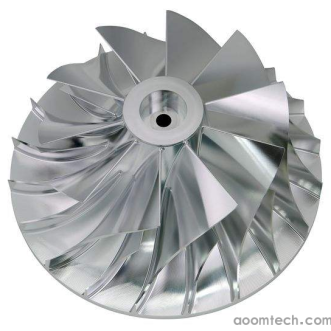
Milling is used to cut flat surfaces, grooves, and complex 3D shapes. Different tools such as end mills and ball-nose cutters are selected based on design needs.
Turning
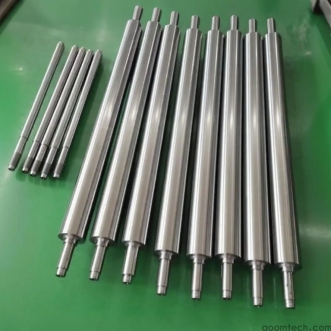
Turning is used for cylindrical parts like shafts. The material rotates while a cutting tool shapes it. Proper tool selection ensures smooth surface finish and accurate dimensions.
Drilling
Drilling creates holes in the part. Selecting the right drill bit and speed is important to avoid breakage and ensure precision. Deep holes may use peck drilling to improve chip removal.
Finishing and Quality Control
After machining, parts often go through finishing processes such as deburring, polishing, or coating to improve appearance and performance.
Quality control ensures that every part meets specifications. Tools like calipers, micrometers, and surface testers are used to check dimensions and surface quality. This step helps prevent defective products from reaching customers.
Challenges in Custom Parts CNC Machining
Complex Programming
Custom designs often require advanced programming skills. Mistakes in toolpath planning can lead to defects or wasted materials.
To reduce risks, manufacturers often use simulation software to test machining paths before actual production begins.
Tooling and Setup
Some custom parts require special fixtures or tools, which increases setup time and cost. Modular tooling systems can help reduce these challenges by allowing flexible adjustments for different jobs.
Communication and Understanding of Requirements
Clear communication between customers and manufacturers is essential. Misunderstood requirements can lead to incorrect parts.
Using detailed drawings, clear specifications, and regular updates helps ensure the final product matches expectations.
Choosing a Custom Parts CNC Machining Service Provider
Experience and Expertise
When selecting a provider, experience is very important. Skilled manufacturers understand how to handle complex designs, difficult materials, and tight tolerances.
An experienced provider can also suggest improvements to optimize production and reduce cost.
Quality Assurance
A reliable provider should have strong quality control systems. This includes in-process inspections and final testing using precise measuring tools.
Consistent quality assurance ensures that every part meets required standards and reduces the risk of failure in real applications.
Cost and Pricing Transparency
Understanding pricing is important when choosing a service. A trustworthy provider will clearly explain material costs, machining costs, and additional fees.
Comparing multiple quotes helps ensure fair pricing and better decision-making.
Delivery Time and Customer Service
Fast and reliable delivery is critical for production schedules. Good customer service also ensures smooth communication during the entire project.
Providers who give regular updates and respond quickly to questions help avoid delays and misunderstandings.
Conclusion: Making the Right Choice in Custom Parts CNC Machining
Custom Parts CNC Machining is a powerful manufacturing method that combines precision, flexibility, and efficiency. It is widely used across industries to produce high-quality custom components.
Key points include:
High precision and repeatability
Strong design flexibility for complex parts
Cost benefits for small and medium production runs
Importance of proper process control and communication
Careful selection of a qualified service provider
When looking for a machining partner, consider experience, quality systems, pricing transparency, and delivery reliability. A well-chosen provider can significantly improve product success and reduce production risks.
Start by researching reliable manufacturers that specialize in Custom Parts CNC Machining for your specific industry needs and technical requirements.
RELATED PRODUCTS
-
Metal Parts CNC Machining
-
CNC Machining Services for Flashlight Ho
-
Metal Parts CNC Machining Services
-
Brass Parts CNC Machining Services
-
Roller CNC Machining Services
-
CNC machining of high-precision parts
-
CNC Machining for Sprockets
-
CNC Machining for Turbine Parts
-
CNC Machining Service for Crankshafts
-
CNC Machining Service for Copper Blocks