Precision CNC Machining Factory
Precision CNC Machining Factory: A Complete Guide for Modern Manufacturing
A Precision CNC Machining Factory is a modern manufacturing facility that uses computer-controlled machines to produce highly accurate and high-quality parts. These factories are essential in today’s industries because many products require very tight tolerances and consistent quality. From aerospace and automotive to medical devices and electronics, precision machining supports innovation and safety in many fields.
This article explains the importance, services, machining process, benefits, challenges, and selection tips for a precision CNC machining factory in simple and clear language.
Introduction to Precision CNC Machining Factory
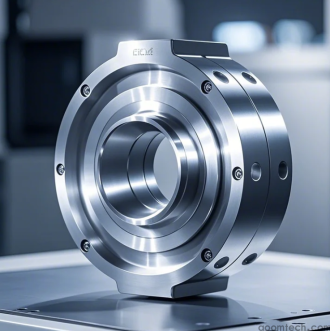
The significance of a Precision CNC Machining Factory lies in its ability to turn digital designs into real, precise parts. Using CNC (Computer Numerical Control) technology, these factories can produce components with very small errors, often measured in microns. This level of precision helps industries build safer aircraft, more efficient engines, and reliable medical devices.
Leading machine tool manufacturers such as :contentReference[oaicite:0]{index=0}, :contentReference[oaicite:1]{index=1}, and :contentReference[oaicite:2]{index=2} provide advanced CNC machines that help these factories achieve high precision and efficiency.
Importance of Precision CNC Machining Factories
Meeting High-Precision Demands
One of the key roles of a Precision CNC Machining Factory is meeting strict accuracy requirements. Many industries require parts that must fit perfectly to function safely and correctly. Even a small error can cause serious problems.
For example, in aerospace systems, engine components must be produced with extremely tight tolerances. A slight deviation could affect engine performance or even aircraft safety. This is why precision machining is critical in aerospace manufacturing.
Enabling Complex Part Manufacturing
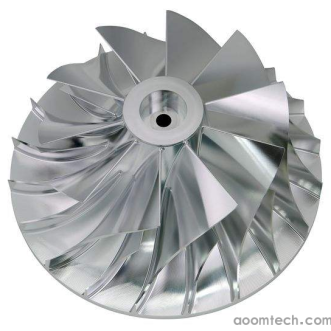
These factories can also produce parts with very complex shapes that are difficult or impossible to make using traditional methods. CNC machines follow digital instructions precisely, allowing the creation of detailed and intricate designs.
For example, modern medical devices such as surgical implants may have internal structures that require high accuracy. A Precision CNC Machining Factory can produce these complex parts with consistency and reliability.
Services Provided by Precision CNC Machining Factories
Custom Part Manufacturing
Precision CNC machining factories offer custom manufacturing services based on customer needs. They work with different materials, designs, and production volumes.
For example, an automotive company may request custom engine parts designed to improve performance. The factory produces these parts according to exact specifications, ensuring proper function and durability.
Prototyping Services
Prototyping is another important service. It allows companies to test a design before mass production begins.
For instance, a tech company developing a new electronic device may first create a prototype through a precision CNC machining factory. This helps identify design issues early, saving time and cost.
Assembly and Post-Processing
Some factories also provide assembly and finishing services. Assembly ensures parts fit together correctly, while post-processing improves strength and appearance.
For example, heat treatment can increase hardness, and coating or painting can improve corrosion resistance. These additional services help improve the final product quality and performance.
Machining Process in Precision CNC Machining Factories
Design and CAD/CAM Programming
The process begins with CAD (Computer-Aided Design), where engineers create a 3D model of the part. Then CAM (Computer-Aided Manufacturing) software converts the design into machine instructions.
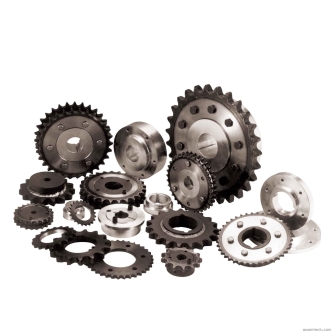
For example, when producing a high-precision gear, engineers must carefully define tool paths, cutting speeds, and material conditions to ensure smooth operation and accuracy.
Material Selection and Preparation
Choosing the right material is essential. Different materials such as aluminum, stainless steel, or titanium have different strengths and machining properties.
For example, harder materials may require slower cutting speeds and stronger tools. In some cases, materials are heat-treated before machining to improve performance and reduce stress.
Machining Operations
Milling: Milling is used to create flat surfaces, grooves, and complex 3D shapes. Precision milling requires careful control of speed and feed rate to achieve smooth surfaces and accurate dimensions.
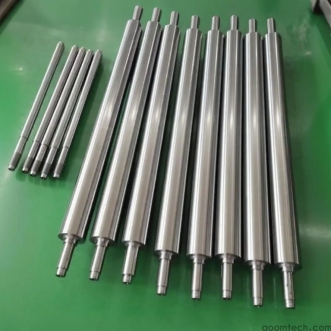
Turning: Turning is used for cylindrical parts. It requires stable control to ensure symmetry and smooth finishes.
Drilling and Boring: These operations create precise holes. Proper tool selection and coolant use help prevent damage and maintain accuracy.
Tooling companies such as :contentReference[oaicite:3]{index=3} provide advanced cutting tools that help improve machining performance and tool life.
Quality Control and Inspection
Quality control is a key step in every Precision CNC Machining Factory. Tools like micrometers, calipers, and coordinate measuring machines (CMM) are used to check accuracy.
For example, if a CMM detects a small dimensional error, the factory can immediately adjust the machining process before delivering the final product.
Benefits of Choosing a Precision CNC Machining Factory
High-Quality Output
These factories deliver consistent and accurate parts due to advanced machines and strict quality control systems. This ensures reliable performance in final products.
Cost-Effectiveness for Medium to Large Production
While setup costs may be high, production becomes more efficient in larger batches. Material waste is reduced, and production speed is improved.
Technical Expertise and Support
Experienced engineers provide guidance on design and manufacturing. Their advice can help improve product design and reduce costs.
Challenges Faced by Precision CNC Machining Factories
Meeting Tight Tolerances
Maintaining extreme accuracy is challenging. Tool wear, heat, and vibration can affect precision. Factories must constantly monitor and adjust processes.
Tool Wear and Breakage
Cutting tools wear down over time, especially when working with hard materials. This increases cost and requires careful maintenance planning.
Keeping Up with Technology
New CNC machines and software are constantly developing. Factories must invest in upgrades to stay competitive and meet modern manufacturing demands.
How to Select a Precision CNC Machining Factory
Experience and Reputation
Choose a factory with proven experience and strong industry reputation. A good track record in industries like aerospace or automotive is a strong indicator of quality.
Quality Assurance Measures
A reliable factory should have strict inspection systems and certifications. This ensures that every part meets required standards before delivery.
Cost-Effectiveness and Pricing Transparency
Pricing should be clear and detailed. Customers should understand material costs, machining fees, and finishing charges before production begins.
Conclusion: Making the Right Choice
A Precision CNC Machining Factory plays a critical role in modern manufacturing by delivering accurate, reliable, and high-quality parts. Understanding the importance of precision CNC machining factories helps businesses make better decisions when selecting a manufacturing partner.
By learning about services provided by precision CNC machining factories, understanding the machining process in precision CNC machining factories, and evaluating benefits of choosing a precision CNC machining factory, companies can reduce risks and improve product quality.
However, it is also important to consider challenges faced by precision CNC machining factories and carefully follow how to select a precision CNC machining factory based on experience, quality systems, and pricing transparency.
Careful research and selection will help ensure successful long-term manufacturing partnerships and high-quality production results.
RELATED PRODUCTS
-
Metal Parts CNC Machining
-
CNC Machining Services for Flashlight Ho
-
Metal Parts CNC Machining Services
-
Brass Parts CNC Machining Services
-
Roller CNC Machining Services
-
CNC machining of high-precision parts
-
CNC Machining for Sprockets
-
CNC Machining for Turbine Parts
-
CNC Machining Service for Crankshafts
-
CNC Machining Service for Copper Blocks