Precision Parts CNC Machining
Precision Parts CNC Machining
Precision Parts CNC Machining is a modern manufacturing method used to produce high-accuracy components for many industries. It uses computer-controlled machines to cut, shape, and finish materials into exact specifications. These precision parts are essential in products where even small errors can affect performance, safety, or reliability.
This article explains the significance, advantages, processes, applications, how to choose a service provider, and cost factors of Precision Parts CNC Machining in simple and clear language.
The Significance of Precision Parts CNC Machining
Precision parts are used in machines, devices, and systems that require exact movement, tight fitting, and reliable performance. Without high accuracy, many modern products would not function properly.
Precision Parts CNC Machining helps manufacturers produce parts with consistent quality and tight tolerances. This improves product reliability, reduces errors, and supports large-scale production. Industries such as aerospace, medical, automotive, and electronics depend heavily on this process.
Advantages of CNC Machining for Precision Parts
High Precision and Accuracy
One of the biggest advantages of CNC machining for precision parts is its high accuracy. CNC machines follow programmed instructions, ensuring each part matches exact design measurements.
For example, in the electronics industry, connectors must fit perfectly to ensure stable electrical flow. Even a small error can cause failure. CNC machining reduces such risks and improves product quality while minimizing waste.
Complex Design Realization
CNC machining can create very complex shapes that are difficult or impossible with manual methods. It can produce detailed internal structures, curves, and fine features.
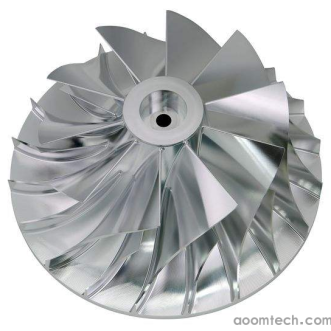
In aerospace manufacturing, turbine blades require complex aerodynamic shapes. CNC machines can follow precise toolpaths to create these advanced designs with high consistency and accuracy.
Consistent Quality Output
Once a CNC program is set, every part produced will be almost identical. This is extremely important for mass production.
In the medical industry, surgical tools must maintain consistent quality to ensure patient safety. CNC machining helps reduce variations and ensures reliable performance in every batch.
Process of Precision Parts CNC Machining
Design and CAD/CAM Programming
The process of precision parts CNC machining starts with design. Engineers use CAD (Computer-Aided Design) software to create a 3D model of the part. This model includes exact dimensions and functional requirements.
Next, CAM (Computer-Aided Manufacturing) software converts the design into machine instructions. These instructions define toolpaths, cutting speeds, and feed rates. For complex parts, programmers must carefully plan each movement to ensure accuracy and avoid errors.
Material Selection and Preparation
Choosing the right material is a key step. Common materials include aluminum, steel, titanium, plastics, and ceramics. Each material has different strength, weight, and machining properties.
For example, titanium is often used in aerospace because it is strong and lightweight. Before machining, materials are cut into suitable sizes and inspected to ensure there are no defects that could affect the final product.
Machining Operations
Milling: Milling is used to remove material and create flat surfaces, grooves, and complex 3D shapes. Different cutting tools are used depending on the design. Adjusting speed and feed rate is important for surface quality and precision.
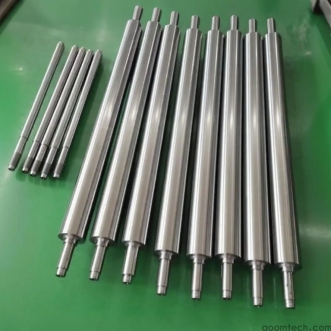
Turning: In turning, the material rotates while the cutting tool shapes it into cylindrical forms like shafts or bushings. This process requires precise control to ensure perfect roundness and smooth surfaces.
Drilling: Drilling creates holes in precision parts. Correct drill selection and controlled depth are essential. For deep holes, techniques like peck drilling help prevent tool damage and improve accuracy.
Finishing and Quality Control
After machining, finishing processes improve the final product. These include deburring sharp edges, polishing surfaces, and applying protective coatings.
Quality control ensures every part meets design standards. Tools such as calipers, micrometers, and surface testers are used. If a part is out of tolerance, it is rejected or reworked to maintain product quality.
Applications of Precision CNC-Machined Parts
Aerospace Industry
In aerospace, precision parts are used in engines, structural systems, and fasteners. These components must withstand extreme conditions while maintaining accuracy and safety.
For example, turbine blades must be precisely machined to handle high-speed rotation and high temperatures without failure.
Medical Device Industry
The medical field relies heavily on precision parts for surgical tools, implants, and diagnostic equipment.
Implants must fit the human body accurately to ensure comfort and safety. CNC machining allows manufacturers to produce highly precise and reliable medical components.
Automotive Industry
Automotive systems use precision parts in engines, transmissions, and suspension systems.
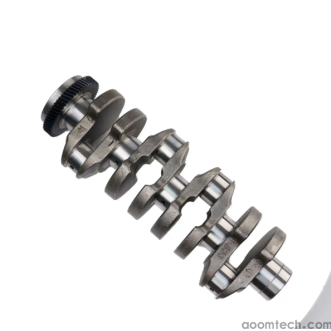
For example, pistons and crankshafts must be precisely machined to ensure smooth engine operation, fuel efficiency, and long service life.
Choosing a Precision Parts CNC Machining Service Provider
Experience and Expertise
When selecting a provider, experience is very important. A skilled company understands how to handle tight tolerances and complex designs.
A provider with industry experience can solve technical challenges more effectively, especially for high-precision or small-scale components.
Quality Assurance
A strong quality system ensures reliable results. Ask whether the company uses calibrated measuring tools and follows strict inspection procedures.
Good providers perform in-process checks and final inspections to ensure every part meets requirements before delivery.
Cost and Pricing Transparency
Clear pricing helps avoid misunderstandings. A reliable provider will explain material costs, machining costs, and additional fees.
It is recommended to compare multiple quotes and ask for a detailed breakdown. This helps ensure fair pricing and better decision-making.
Delivery Time and Customer Service
Fast and reliable delivery is important for production schedules. A good provider should meet deadlines and communicate clearly throughout the process.
Strong customer service helps solve problems quickly and ensures smooth cooperation during production.
Cost Factors in Precision Parts CNC Machining
Part Complexity
The more complex a part is, the higher the cost. Complex shapes require longer machining time, special tools, and advanced programming.
For example, parts with internal structures or tight tolerances require more processing steps, increasing overall cost.
Material Cost
Material choice greatly affects cost. High-performance materials such as titanium or medical-grade plastics are more expensive than standard metals.
The quantity of material used also impacts pricing, especially for large or heavy components.
Volume of Production
Production volume plays an important role in cost efficiency. Larger orders often reduce the cost per unit.
This is because setup costs are shared across more parts, and manufacturers may offer discounts for bulk production.
Conclusion: Making the Right Choice in Precision Parts CNC Machining
Precision Parts CNC Machining plays a critical role in modern manufacturing by delivering accurate, reliable, and high-quality components for many industries.
Key points include the advantages of CNC machining for precision parts, the process of precision parts CNC machining, its wide applications of precision CNC-machined parts, and important factors for choosing a precision parts CNC machining service provider and understanding cost factors in precision parts CNC machining.
By carefully evaluating these factors, businesses can select the right manufacturing partner and ensure high-quality production results. Starting with proper research and comparison of service providers is the best step toward successful precision part manufacturing.
RELATED PRODUCTS
-
Metal Parts CNC Machining
-
CNC Machining Services for Flashlight Ho
-
Metal Parts CNC Machining Services
-
Brass Parts CNC Machining Services
-
Roller CNC Machining Services
-
CNC machining of high-precision parts
-
CNC Machining for Sprockets
-
CNC Machining for Turbine Parts
-
CNC Machining Service for Crankshafts
-
CNC Machining Service for Copper Blocks