CNC Machined Housings Services
CNC Machined Housings Services: A Complete Guide for Global Industries
Introduction to CNC Machined Housings Services
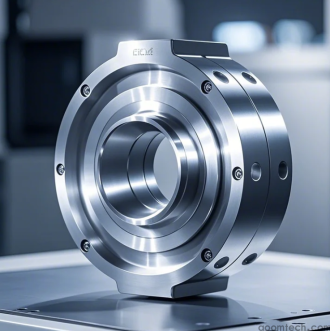
CNC Machined Housings Services refer to the professional manufacturing process of producing protective and structural enclosures using Computer Numerical Control (CNC) machines. These housings are essential components in many modern products, helping protect sensitive internal parts while ensuring precision fit and reliable performance.
CNC machining allows manufacturers to create highly accurate and complex housing designs from metals and plastics. This makes it a preferred solution for industries such as electronics, automotive, industrial machinery, and healthcare. Whether it is a small sensor enclosure or a large industrial machine casing, CNC machining ensures consistent quality and tight tolerances.
The importance of CNC machined housings lies in their ability to combine protection, durability, and functionality in one component. They are not just covers—they are engineered parts that support performance and safety in critical systems.
The Significance of CNC Machined Housings
Housings play a key role in protecting internal components from dust, moisture, impact, and environmental damage. In many cases, they also support heat dissipation, electromagnetic shielding, and mechanical alignment.
CNC machining provides the precision needed to meet strict engineering requirements. With digital control, manufacturers can achieve consistent accuracy, even for complex geometries. This is especially important for industries where even a small deviation can affect product performance.
Today, types of CNC machined housings vary widely depending on application needs, from compact electronic cases to heavy-duty industrial enclosures.
Types of CNC Machined Housings
Electronic Housings
Electronic housings are designed to protect sensitive components such as circuit boards, processors, and sensors. These housings require high precision to ensure proper fit and alignment.
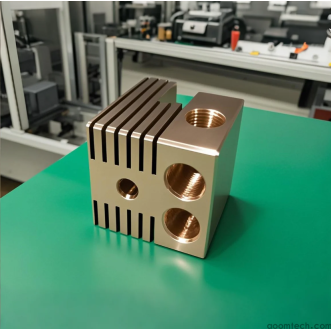
They often include features such as ventilation holes for cooling, cable entry points, and mounting brackets. CNC machining allows all these features to be produced with high accuracy and repeatability.
Custom designs are common in electronics, especially for consumer devices, communication equipment, and industrial control systems.
Mechanical Housings
Mechanical housings are used to enclose moving parts like gears, motors, and bearings. They must be strong, rigid, and capable of handling mechanical stress.
CNC machining makes it possible to produce housings with reinforced structures, precise internal dimensions, alignment features, and maintenance access points.
Examples include housings in automotive engines, robotics systems, and industrial machinery such as CNC mills and lathes.
Medical Housings
Medical housings are used in devices that require high standards of cleanliness, safety, and precision. These housings are often made with smooth surfaces to reduce bacterial growth and support sterilization processes.
CNC machining enables the production of highly accurate medical enclosures used in imaging systems, diagnostic devices, and surgical equipment. Some designs also include transparent windows or sensor integration points.
Strict quality requirements make CNC machining ideal for medical applications where reliability is critical.
Materials for CNC Machined Housings
Metals
Common metals used in housings include aluminum, steel, and stainless steel. Each material offers unique advantages.
Aluminum: Lightweight, corrosion-resistant, and excellent for heat dissipation. Common in electronics housings.
Steel: Strong and durable, suitable for heavy-duty mechanical applications.
Stainless Steel: Highly resistant to corrosion, ideal for medical and harsh environments.
The materials for CNC machined housings directly influence machining parameters such as cutting speed, tool selection, and cooling requirements.
Plastics
Plastics are widely used due to their flexibility, cost-effectiveness, and ease of machining.
ABS: Impact-resistant and commonly used for electronic housings.
PC (Polycarbonate): Transparent and strong, suitable for visual inspection covers and medical devices.
POM: Excellent wear resistance and low friction, ideal for moving mechanical parts.
Proper machining of plastics requires careful control of heat and tool speed to avoid deformation or surface defects.
The CNC Machining Process for Housings
Design Phase
The process begins with CAD (Computer-Aided Design), where engineers create a detailed 3D model of the housing. This includes all functional requirements such as internal space, mounting points, and environmental protection features.
A well-designed model ensures that the final product meets performance expectations and fits perfectly with internal components.
CNC Programming
The CAD model is converted into machine instructions using CAM (Computer-Aided Manufacturing) software. This step defines toolpaths, cutting speeds, and machining strategies.
Efficient programming is essential for complex housings with internal cavities or fine details, ensuring both accuracy and production efficiency.
Machine Setup and Tooling
Operators prepare CNC machines by selecting the correct tools and fixtures. Tools such as end mills, drills, and taps are chosen based on material type and design requirements.
Proper setup ensures stability, precision, and surface quality during machining.
Machining Operations
Milling
Milling is used to shape flat surfaces, pockets, slots, and complex 3D geometries. Cutting parameters are adjusted based on material type to achieve smooth finishes and accuracy.
Drilling and Tapping
Drilling creates holes, while tapping adds internal threads. These processes are essential for assembly and fastening of housings.
Correct tool selection and feed rates help prevent tool damage and ensure precise thread formation.
Quality Control in CNC Machined Housings Services
In-Process Inspection
Quality control in CNC machined housings services begins during production. Measurements are taken using calipers, micrometers, and surface testers to ensure accuracy.
Real-time monitoring helps detect issues early, reducing waste and improving consistency.
Final Inspection
After machining, each housing undergoes final inspection using advanced tools such as Coordinate Measuring Machines (CMM).
Inspectors check dimensional accuracy, surface finish, and structural integrity. Products that do not meet specifications are reworked or rejected.
Applications of CNC Machined Housings
Electronics Industry
CNC machined housings are widely used in smartphones, laptops, sensors, and control systems. They provide protection against physical damage, dust, and heat.
They also support modern design needs such as compact size and electromagnetic shielding.
Industrial Machinery
In industrial equipment, housings protect mechanical and electrical components from harsh environments. They also help reduce vibration and noise.
Custom CNC housings improve machine durability and operational efficiency.
Medical Devices
Medical equipment relies on precision housings to ensure safety and reliability. CNC machining supports strict tolerances and hygienic surface requirements.
Applications include diagnostic machines, monitoring systems, and surgical equipment.
Conclusion: Choosing the Right CNC Machined Housings Service
Understanding CNC Machined Housings Services is essential for selecting the right manufacturing partner. From material selection to machining processes and quality control, each step affects the final product’s performance and reliability.
When choosing a provider, consider experience in your industry, production capability, and quality certifications. Clear communication of requirements helps ensure the final housing meets all functional and design expectations.
By selecting a reliable partner, businesses can achieve high-quality results that support long-term product success.
RELATED PRODUCTS
-
Metal Parts CNC Machining
-
CNC Machining Services for Flashlight Ho
-
Metal Parts CNC Machining Services
-
Brass Parts CNC Machining Services
-
Roller CNC Machining Services
-
CNC machining of high-precision parts
-
CNC Machining for Sprockets
-
CNC Machining for Turbine Parts
-
CNC Machining Service for Crankshafts
-
CNC Machining Service for Copper Blocks