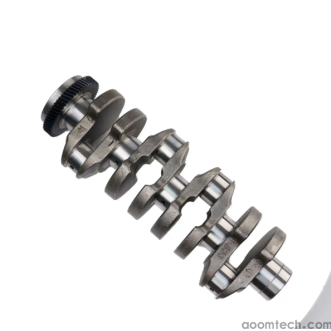
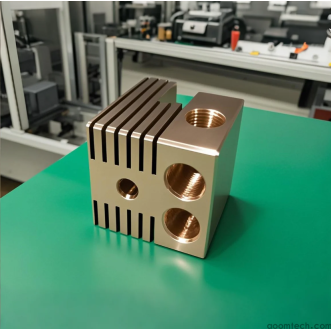
CNC Machining Parts Manufacturing
CNC Machining Parts Manufacturing: Process, Benefits, Challenges, and Quality Assurance
CNC Machining Parts Manufacturing is one of the most important processes in modern industry. It allows manufacturers to produce highly precise, consistent, and complex parts used in everything from cars and airplanes to medical devices and consumer electronics. As industries continue to demand higher accuracy and faster production, CNC technology has become a key solution for reliable parts manufacturing worldwide.
Introduction to CNC Machining Parts Manufacturing
CNC Machining Parts Manufacturing refers to the process of using Computer Numerical Control (CNC) machines to shape raw materials into finished components. These machines follow programmed instructions to cut, drill, mill, or turn materials with extreme precision.
The importance of CNC machining lies in its ability to produce parts with tight tolerances and consistent quality. This is essential in industries where even a small error can lead to system failure.
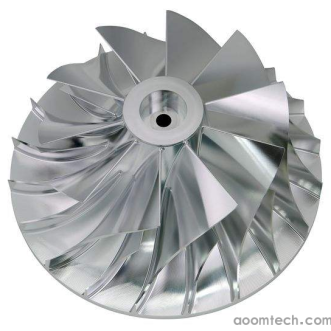
For example, in the aerospace industry, CNC-machined engine components must meet strict safety and performance standards. A minor defect in a turbine blade or engine housing can affect fuel efficiency or even flight safety. Similarly, in electronics, CNC-machined housings ensure proper fit and protection of sensitive components.
Long-tail keyword focus: process of CNC machining parts manufacturing is widely used in high-performance industries that require accuracy, repeatability, and efficiency.
The CNC Machining Parts Manufacturing Process
1. Design and Engineering
The first step in CNC Machining Parts Manufacturing is design and engineering. Designers use CAD (Computer-Aided Design) software to create detailed 3D models of the part.
These designs include critical information such as dimensions, tolerances, load-bearing requirements, and functional features. Engineers also optimize the design for manufacturability, ensuring the part can be efficiently produced using CNC machines.
A well-designed part reduces production errors and improves performance. For example, a poorly designed gear in a transmission system may lead to vibration, slippage, or early wear.
2. Material Selection
Material selection plays a major role in CNC machining performance and cost. Different materials are chosen based on strength, weight, corrosion resistance, and application requirements.
Steel alloys: High strength and durability for heavy-duty applications
Aluminum: Lightweight and corrosion-resistant, ideal for aerospace and electronics
Stainless steel: Excellent corrosion resistance for medical and food industries
Plastics and composites: Lightweight and cost-effective for non-structural parts
The selected material also affects machining speed, tool wear, and surface finish quality.
3. CNC Programming
In this stage, the CAD model is converted into machine instructions using CAM (Computer-Aided Manufacturing) software. This CNC program defines tool paths, cutting speeds, feed rates, and machining depth.
Accurate programming is essential for successful CNC Machining Parts Manufacturing. Incorrect programming can lead to defective parts, wasted material, or machine damage.
For example, incorrect tool path settings may cause drilling in the wrong position or uneven surface finishing.
4. Machine Setup and Tooling
Before machining begins, the CNC machine must be properly set up. This includes installing cutting tools, fixtures, and work-holding devices.
Tool selection depends on the material and machining process. Common tools include:
Carbide end mills for metal cutting
Diamond-coated tools for hard materials
High-speed steel drills for general-purpose drilling
Correct setup ensures stability, precision, and efficiency during production.
5. Machining Operations
Milling
Milling uses rotating cutting tools to remove material and create shapes such as slots, holes, and complex surfaces. It is one of the most common operations in CNC machining.
Turning
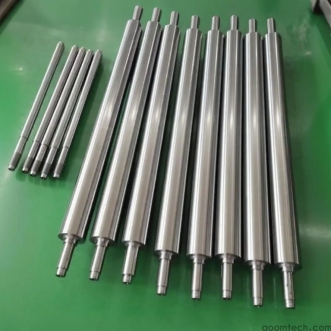
Turning is used for cylindrical parts like shafts and bushings. The workpiece rotates while the cutting tool shapes the outer surface. Precision control is required to maintain roundness and smooth surface finish.
Drilling and Boring
Drilling creates holes, while boring refines them to precise dimensions. These operations are critical for assembly and mechanical function. Incorrect hole placement can cause serious assembly issues.
6. Quality Control
Quality control is a core part of CNC Machining Parts Manufacturing. Every stage of production must be checked to ensure accuracy and consistency.
Common inspection tools include:
Calipers
Micrometers
Coordinate Measuring Machines (CMM)
Parts that do not meet tolerance requirements are either reworked or rejected. This ensures only high-quality components reach customers.
7. Finishing and Surface Treatment
After machining, parts often require finishing processes to improve appearance, performance, and durability.
Grinding and polishing: Improve surface smoothness
Deburring: Remove sharp edges for safety and assembly fit
Anodizing: Enhance corrosion resistance (especially for aluminum)
Plating or coating: Improve durability and appearance
Benefits of CNC Machining Parts Manufacturing
High Precision and Consistency
CNC machines operate with computer control, ensuring extremely high accuracy and repeatability. This is critical for industries requiring tight tolerances and consistent quality.
Benefits of CNC machining in parts production include improved product performance, reduced assembly issues, and longer service life.
Design Flexibility and Customization
CNC machining allows manufacturers to produce complex and customized parts with ease. Whether it is a prototype or a specialized industrial component, CNC technology supports flexible production needs.
Cost-Effective for Small and Medium Production
For small-batch production, CNC machining is more cost-effective than traditional manufacturing methods. It reduces tooling costs and allows faster production cycles, making it ideal for prototypes and custom orders.
Challenges in CNC Machining Parts Manufacturing
Tool Wear and Breakage
Cutting tools gradually wear out, especially when machining hard materials. This can affect precision and increase production costs. Regular tool monitoring and replacement are necessary to maintain quality.
Meeting Tight Production Deadlines
Manufacturers often face strict delivery schedules. Efficient planning, automated processes, and reliable supply chains are essential to meet deadlines without sacrificing quality.
Cost Management
Although CNC machining is efficient, costs related to materials, tools, labor, and machine maintenance must be carefully managed. Optimizing processes helps reduce waste and improve profitability.
Challenges in CNC machining parts manufacturing often require a balance between quality, speed, and cost efficiency.
Ensuring High-Quality CNC Machining Parts Manufacturing
Partnering with Experienced Manufacturers
Working with experienced CNC manufacturers is one of the best ways to ensure quality. Experienced teams understand machining processes, material behavior, and quality control standards.
When selecting a supplier, consider their industry experience, equipment capabilities, and past project performance.
Continuous Process Improvement
Manufacturers should continuously improve their processes by upgrading equipment, training workers, and adopting lean manufacturing methods. This leads to better efficiency and consistent product quality.
Collaboration Between Engineers and Machinists
Strong communication between designers, engineers, and machinists ensures that parts are both functional and manufacturable. Early collaboration reduces design errors and improves production efficiency.
Conclusion
CNC Machining Parts Manufacturing is a critical process in modern industry, offering high precision, flexibility, and efficiency. From design and material selection to machining, finishing, and quality control, every step plays an important role in producing reliable components.
While challenges such as tool wear, cost management, and production deadlines exist, they can be effectively managed through proper planning and experienced partnerships.
As industries continue to evolve, CNC technology will remain a foundation for innovation, enabling the production of high-quality parts that power global manufacturing systems.
RELATED PRODUCTS
-
Metal Parts CNC Machining
-
CNC Machining Services for Flashlight Ho
-
Metal Parts CNC Machining Services
-
Brass Parts CNC Machining Services
-
Roller CNC Machining Services
-
CNC machining of high-precision parts
-
CNC Machining for Sprockets
-
CNC Machining for Turbine Parts
-
CNC Machining Service for Crankshafts
-
CNC Machining Service for Copper Blocks