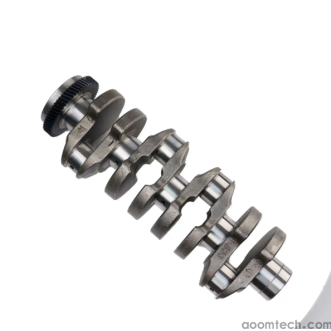
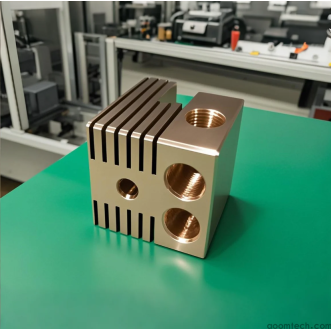
CNC Machining Precision Parts
CNC Machining Precision Parts
Introduction to CNC Machining Precision Parts
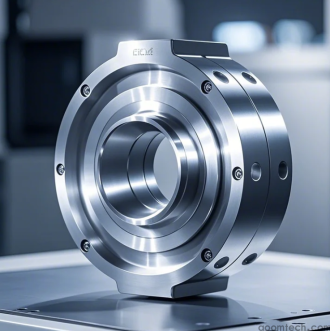
CNC Machining Precision Parts refers to the manufacturing of components that require extremely high accuracy in size, shape, surface finish, and performance. CNC (Computer Numerical Control) machining uses computer-controlled machines to produce parts with consistent quality and repeatability.
In modern manufacturing, precision parts are essential because even a very small error can affect how a product works. Industries such as aerospace, medical, and electronics rely heavily on these parts. For example, in aerospace, precision-machined engine components help aircraft operate safely and efficiently. In medical applications, precision surgical tools allow doctors to perform accurate and safe procedures. In electronics, tiny precision connectors ensure stable device performance.
The Process of CNC Machining Precision Parts
Design and Programming
The process of CNC machining precision parts begins with design and programming. Engineers create a detailed 3D model using CAD (Computer-Aided Design) software. This model defines every dimension and feature of the part.
Next, CAM (Computer-Aided Manufacturing) software converts the design into a CNC program. This program includes toolpaths, cutting speeds, feed rates, and depth of cut. This stage is a key part of the process of CNC machining precision parts, because even a small programming error can lead to defective parts that do not meet specifications.
Material Selection
Choosing the right material is critical in precision machining. Different industries require different materials based on performance needs.
Aerospace: titanium alloys for strength and light weight
Medical: stainless steel for biocompatibility and corrosion resistance
Electronics: aluminum and copper for conductivity and machining ease
Material properties such as hardness, corrosion resistance, and cost all influence both performance and machining strategy. Harder materials often require slower cutting speeds and stronger cutting tools.
CNC Machining Operations
Milling
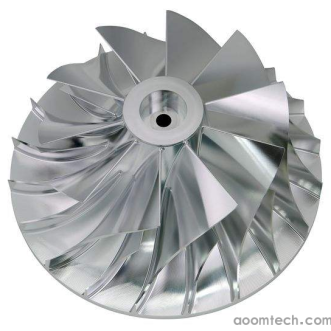
Milling uses a rotating cutting tool to remove material and create complex shapes such as slots, holes, and flat surfaces. Carbide end mills are commonly used for precision work because they offer durability and accuracy.
Careful control of spindle speed, feed rate, and depth of cut is necessary to achieve a smooth surface finish and tight tolerances.
Turning
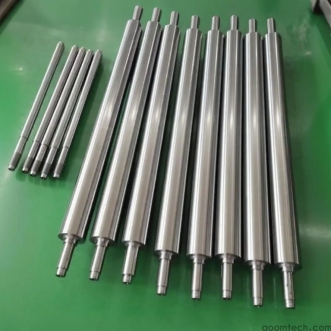
Turning is used to produce cylindrical parts such as shafts and pins. The workpiece rotates while the cutting tool removes material.
Maintaining concentricity and surface quality is essential in precision turning. Engineers adjust cutting speed and feed rate to reduce vibration and improve accuracy.
Drilling and Boring
Drilling creates holes, while boring refines and enlarges them. Precision drilling often uses micro-drills for small and accurate holes.
Accurate hole placement is important because misalignment can cause assembly failure in final products such as optical devices or mechanical systems.
Finishing Operations
After machining, finishing processes improve quality and performance. These may include:
Deburring to remove sharp edges
Polishing for smoother surfaces
Heat treatment for improved hardness
Coating or plating for corrosion resistance
These steps ensure that CNC Machining Precision Parts meet both functional and aesthetic requirements.
Challenges in CNC Machining Precision Parts
Tool Wear and Breakage
One major issue in precision machining is tool wear. Small tools used for high-precision work can wear out quickly, especially when machining hard materials.
This is a key part of challenges in CNC precision part machining. To solve this, manufacturers use high-quality tools, monitor tool condition regularly, and replace tools before failure occurs.
Heat Generation and Dimensional Stability
Heat generated during machining can cause material expansion, leading to dimensional errors. This is especially critical in long machining cycles.
Solutions include using coolant systems, optimizing cutting speeds, and allowing cooling time between operations. Maintaining stability is essential for precision performance.
Surface Finish and Dimensional Accuracy
Achieving both smooth surface finish and strict dimensional accuracy is a continuous challenge. Even small deviations can affect product function.
Manufacturers often use sharp tools, optimized cutting parameters, and post-processing methods such as lapping or honing to achieve required standards.
How to Choose a CNC Machining Service for Precision Parts
Experience and Expertise
When selecting a manufacturer, experience is one of the most important factors. A company with a strong background in precision machining is more likely to deliver reliable results.
Look for case studies, industry experience, and engineering expertise. Skilled technicians and engineers are essential for handling complex precision projects.
Quality Assurance
A strong quality control system ensures that every part meets strict requirements. Reliable providers use advanced inspection tools such as calipers, micrometers, and CMM (Coordinate Measuring Machines).
Quality assurance in CNC Machining Precision Parts typically includes in-process inspection, final inspection, and strict handling of non-conforming parts. This ensures consistency and reliability.
Cost-effectiveness and Turnaround Time
Cost is important, but it should not compromise quality. The best providers offer a balance between price, accuracy, and delivery speed.
When choosing a CNC machining service for precision parts, it is recommended to compare multiple quotes and check delivery performance history. Reliable turnaround time is especially important for industries with strict production schedules.
Conclusion
CNC Machining Precision Parts play a critical role in modern industries where accuracy, reliability, and performance are essential. From design and material selection to machining and finishing, every step must be carefully controlled.
Understanding the process of CNC machining precision parts, recognizing the challenges in CNC precision part machining, and knowing how to evaluate suppliers helps businesses make better manufacturing decisions. With the right CNC machining service, companies can achieve high-quality, durable, and accurate components for a wide range of applications.
RELATED PRODUCTS
-
Metal Parts CNC Machining
-
CNC Machining Services for Flashlight Ho
-
Metal Parts CNC Machining Services
-
Brass Parts CNC Machining Services
-
Roller CNC Machining Services
-
CNC machining of high-precision parts
-
CNC Machining for Sprockets
-
CNC Machining for Turbine Parts
-
CNC Machining Service for Crankshafts
-
CNC Machining Service for Copper Blocks