CNC Machining of Precision Parts
CNC Machining of Precision Parts: Processes, Benefits, Materials, and Applications
Introduction to CNC Machining of Precision Parts
CNC Machining of Precision Parts plays a critical role in modern manufacturing industries where accuracy, consistency, and reliability are essential. CNC (Computer Numerical Control) machining uses computer-guided tools to produce components with extremely tight tolerances, often measured in micrometers. This level of precision is necessary for industries such as aerospace, automotive, medical devices, and electronics, where even the smallest deviation can affect performance or safety.
As global technology advances, the demand for high-quality precision components continues to increase. Manufacturers rely on CNC machining because it provides repeatability, efficiency, and the ability to produce complex geometries that are difficult or impossible to achieve with manual machining.
The Significance of Precision Parts
Precision parts are the foundation of many mechanical and electronic systems. They are engineered to meet exact specifications so that multiple components can work together smoothly within a larger system. For example, an aircraft engine requires thousands of precision parts that must fit and function perfectly under extreme conditions.
Without precision manufacturing, industries would face higher failure rates, reduced efficiency, and increased safety risks. This is why CNC machining is widely used for producing high-performance components with strict dimensional requirements.
The CNC Machining Process for Precision Parts
Design and Programming
The CNC machining process for precision components begins with detailed engineering design using CAD (Computer-Aided Design) software. Engineers create a 3D model that defines every dimension, tolerance, and functional requirement of the part. This stage is crucial because even minor design errors can lead to production failures.
After the design is finalized, CAM (Computer-Aided Manufacturing) software converts the model into machine-readable code (G-code). Skilled programmers define toolpaths, spindle speeds, feed rates, and cutting depths. These parameters must be carefully optimized to ensure accuracy, efficiency, and surface quality.
Machine Setup and Tooling
Proper machine setup is essential for CNC Machining of Precision Parts. CNC machines must be calibrated and maintained in excellent condition to minimize vibration and positioning errors. The workpiece is secured using specialized fixtures to ensure it remains completely stable during machining.
Tool selection is equally important. High-quality cutting tools such as carbide end mills, drills, and turning inserts are commonly used. Each tool is selected based on material type, geometry requirements, and machining operations. Even tool wear must be monitored closely, as it directly affects dimensional accuracy.
Machining Operations
Milling
Milling is used to produce flat surfaces, slots, holes, and complex 3D geometries. For precision parts, tool geometry plays a key role. For example, ball-nose end mills are often used for contouring and smooth surface finishing.
Proper control of spindle speed, feed rate, and depth of cut ensures dimensional accuracy and surface quality. Chip evacuation is also important because accumulated chips can damage the surface or reduce precision.
Turning
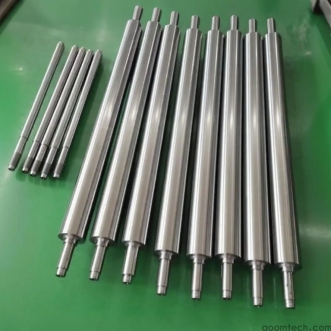
Turning is used for cylindrical components such as shafts, bushings, and fasteners. In this process, the workpiece rotates while the cutting tool removes material. Maintaining concentricity is essential to ensure balanced and functional parts.
High-quality turning inserts and precise tool alignment help achieve smooth surface finishes and tight tolerances. Consistent feed rates are also necessary to avoid surface defects.
Drilling
Drilling operations create precise holes in components. The selection of drill bits depends on material type, hole diameter, and depth requirements. Incorrect drilling parameters can lead to tool breakage, inaccurate hole positioning, or poor surface quality.
For precision applications, even minor deviations in hole placement can render a part unusable, making strict process control essential.
Advantages of CNC Machining for Precision Parts
High Precision
One of the most important advantages of CNC in precision part production is its ability to achieve extremely tight tolerances. CNC machines can operate at micrometer-level accuracy, making them ideal for industries where precision is critical.
For example, aerospace components must fit perfectly to ensure safety and performance under extreme operating conditions. CNC machining ensures these requirements are consistently met.
Consistent Quality
Once a CNC program is established, it can produce identical parts repeatedly with minimal variation. Unlike manual machining, CNC reduces human error and ensures uniformity across large production batches.
This consistency is especially valuable in automotive manufacturing, where engine and transmission components must meet strict performance standards across millions of units.
Design Flexibility
CNC machining allows engineers to create highly complex and customized designs. With advanced CAD/CAM systems, manufacturers can produce intricate internal structures, lightweight geometries, and optimized cooling channels.
This flexibility supports innovation in product design and enables efficient solutions for specialized engineering challenges.
Material Considerations for Precision Parts
Metals
Common metals used in CNC Machining of Precision Parts include steel, aluminum, and titanium.
Steel: Strong and durable but requires higher cutting forces.
Aluminum: Lightweight with excellent thermal conductivity, but sensitive to surface finish quality.
Titanium: High strength-to-weight ratio, widely used in aerospace and medical applications.
Each metal requires different machining strategies, including adjusted cutting speeds and specialized tool coatings.
Plastics
Engineering plastics such as PEEK, polycarbonate, and polyethylene are widely used in electronics and medical industries. They offer advantages like electrical insulation, lightweight structure, and chemical resistance.
However, plastics require careful machining because they can deform or melt under excessive heat. Lower cutting speeds and sharp tools are essential for maintaining precision.
Quality Control in CNC Machining of Precision Parts
In-Process Inspection
Quality control in CNC precision part machining begins during production. Measurements are taken using tools such as calipers, micrometers, and surface roughness testers. Monitoring tool wear and dimensional accuracy helps prevent defects early in the process.
If deviations are detected, adjustments are made immediately to cutting parameters to maintain compliance with design specifications.
Final Inspection
Once machining is complete, parts undergo final inspection using advanced equipment such as Coordinate Measuring Machines (CMMs). These devices verify dimensional accuracy, surface finish, and geometric tolerances.
Non-conforming parts are either reworked or rejected depending on the severity of the deviation. This ensures only high-quality components reach the final application stage.
Applications of CNC Machined Precision Parts
Aerospace Industry
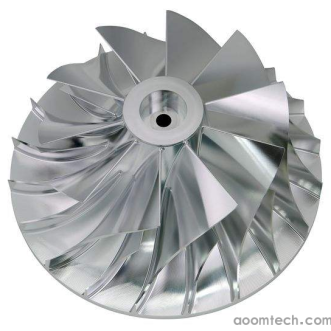
In aerospace engineering, precision parts such as turbine blades, structural frames, and engine casings must perform under extreme pressure and temperature conditions. CNC machining ensures these components meet strict safety and performance standards.
Automotive Industry
Automotive manufacturers use CNC machining for engine blocks, brake systems, and transmission components. These parts must deliver high durability, efficiency, and reliability across long service cycles.
Medical Industry
Medical devices require extremely high precision and biocompatibility. CNC machining is used to produce surgical instruments, implants, and diagnostic equipment that must meet strict regulatory standards.
Conclusion: Mastering CNC Machining for Precision Parts
CNC Machining of Precision Parts is a cornerstone of modern manufacturing. It enables industries to achieve high accuracy, repeatability, and design flexibility while maintaining strict quality standards. From aerospace to medical applications, CNC machining supports the production of critical components that ensure safety and performance.
Key takeaways include the importance of precise design, proper machine setup, material selection, and strict quality control. To stay competitive, manufacturers must continuously improve skills and adopt the latest machining technologies and industry standards.
By understanding the full CNC machining process for precision components, manufacturers can optimize production efficiency while ensuring consistent product excellence across all applications.
RELATED PRODUCTS
-
Metal Parts CNC Machining
-
CNC Machining Services for Flashlight Ho
-
Metal Parts CNC Machining Services
-
Brass Parts CNC Machining Services
-
Roller CNC Machining Services
-
CNC machining of high-precision parts
-
CNC Machining for Sprockets
-
CNC Machining for Turbine Parts
-
CNC Machining Service for Crankshafts
-
CNC Machining Service for Copper Blocks