Rapid Prototype Parts CNC Machining
Rapid Prototype Parts CNC Machining
Rapid Prototype Parts CNC Machining is a modern manufacturing approach used to quickly create accurate physical models of product designs. These prototype parts help engineers, designers, and manufacturers test ideas before starting full production. By using CNC (Computer Numerical Control) machines, companies can produce precise and functional prototypes in a short time, reducing risks and improving product quality.
Introduction to Rapid Prototype Parts CNC Machining
The development of new products requires testing and validation before mass production. This is where rapid prototyping becomes essential. It allows teams to turn digital CAD designs into real parts that can be physically tested.
Rapid Prototype Parts CNC Machining is widely used in industries such as automotive, electronics, aerospace, and consumer products. For example:
Automotive engineers use prototypes to test new engine components and improve performance.
Electronics companies create prototype housings and circuit-related parts for validation.
Consumer product designers test ergonomics, appearance, and functionality before launch.
These prototypes help identify design errors early, improve functionality, and reduce development time and costs significantly.
Importance of CNC Machining for Rapid Prototype Parts
Quick and Precise Production
CNC machining enables fast production while maintaining very high accuracy. Machines follow programmed instructions to cut and shape materials with tight tolerances.
This precision is critical because even small errors in prototypes can lead to incorrect test results. For example, in medical device development, a slightly inaccurate prototype may produce misleading performance data, leading to costly design changes later.
Versatility in Design
CNC technology can produce highly complex shapes, including internal structures and fine details. This makes it ideal for testing innovative designs that traditional methods cannot easily produce.
For example, aerospace engineers may design lightweight lattice structures to reduce weight while maintaining strength. CNC machining can accurately produce such structures for real-world testing.
Long-tail keyword: CNC milling for rapid prototype parts supports complex geometry manufacturing with high repeatability and precision.
Cost-effectiveness for Small-batch Prototyping
Although CNC machining requires setup and programming, it becomes cost-effective for small batches of prototypes. The same CNC program can often be reused, reducing future production time and cost.
Efficient material usage, reduced manual labor, and minimal waste also contribute to cost savings. This makes it ideal for startups and product developers who need multiple prototype iterations.
CNC Machining Processes for Rapid Prototype Parts
Milling
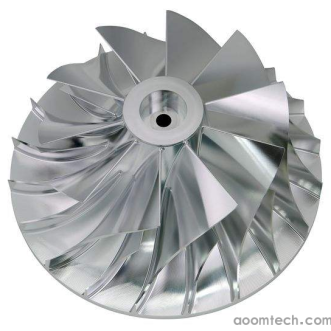
Milling is one of the most common CNC processes. A rotating cutting tool removes material from a solid block to create shapes such as flat surfaces, slots, holes, and 3D structures.
Key factors in milling include:
Tool selection based on material type
Spindle speed and feed rate adjustments
Depth of cut optimization
For aluminum prototypes, higher speeds and lighter cuts are often used. For steel, slower speeds and stronger tools are required. Sharp tools are essential for maintaining surface quality and dimensional accuracy.
Turning
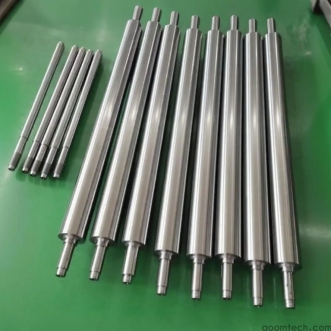
Turning is used for cylindrical parts such as shafts, pins, and threaded components. The workpiece rotates while the cutting tool removes material.
Maintaining concentricity and smooth surface finish is essential in prototype testing. Proper coolant usage helps reduce heat and improve tool life.
Issues such as chip formation and tool wear must be controlled through optimized cutting parameters and regular tool maintenance.
Long-tail keyword: rapid prototype CNC turning services are commonly used for producing precise cylindrical test components.
Electrical Discharge Machining (EDM)
EDM uses electrical discharges to remove material and is ideal for hard metals or complex shapes that are difficult to machine traditionally.
There are two main types:
Wire EDM – used for cutting precise 2D shapes
Sinker EDM – used for detailed 3D cavity shapes
EDM is slower than CNC milling or turning but provides extremely fine detail and high accuracy, especially for molds and precision components.
Materials Used in CNC Machining of Rapid Prototype Parts
Metals
Common metals used in prototype machining include aluminum, steel, and titanium.
Aluminum: Lightweight, easy to machine, widely used in aerospace and automotive prototypes.
Steel: Strong and durable, suitable for load-bearing or functional testing parts.
Titanium: High strength-to-weight ratio and corrosion resistance, used in advanced aerospace and medical applications.
Each metal requires different machining strategies due to differences in hardness, heat resistance, and cutting behavior.
Plastics
Plastics are widely used for low-cost and fast prototype production. Common materials include ABS, PLA, and nylon.
ABS: Strong and impact-resistant, commonly used in consumer products.
PLA: Easy to machine and environmentally friendly, often used for concept models.
Nylon: Durable and flexible, suitable for functional testing.
Proper cooling is important during machining to prevent melting or deformation.
Long-tail keyword: materials for CNC-machined rapid prototype components must be selected based on strength, cost, and testing requirements.
Challenges in CNC Machining of Rapid Prototype Parts
Tool Wear and Breakage
Prototype machining often involves complex shapes and diverse materials, which can lead to rapid tool wear. Small tools used for fine details are especially vulnerable.
Solutions include using carbide or coated tools, monitoring tool condition, and optimizing toolpaths to reduce stress and extend tool life.
Heat Generation
Heat can affect both the tool and the workpiece, leading to dimensional errors or surface damage. Materials like plastics are especially sensitive to heat.
Using coolant systems, adjusting cutting speeds, and selecting heat-resistant tools help control temperature during machining.
Meeting Tight Deadlines
Rapid prototyping projects often have strict timelines. Delays can slow down product development and increase costs.
Efficient scheduling, high-speed CNC machines, and backup production plans are essential to meet deadlines consistently.
Choosing a CNC Machining Service for Rapid Prototype Parts
Technical Expertise
A reliable provider must have strong technical knowledge in CNC machining and prototype development. This includes experience with different materials, machining processes, and design complexity.
Reviewing case studies and sample parts can help evaluate their capabilities.
Quality Assurance
High-quality prototype parts require strict inspection processes. Reputable manufacturers use tools such as:
Coordinate Measuring Machines (CMM)
Surface roughness testers
Hardness testing equipment
These tools ensure parts meet design tolerances and function correctly during testing.
Strong quality control systems reduce the risk of errors and improve prototype reliability.
Cost-effectiveness and Lead Times
While cost is important, it should be balanced with quality and delivery speed. Comparing multiple suppliers helps identify the best value.
A good provider should offer clear lead times and consistently meet deadlines. This is especially important in fast-moving product development cycles.
Long-tail keyword: choosing a service for rapid prototype parts CNC machining requires evaluating quality, cost, and delivery performance together.
Conclusion
Rapid prototype parts CNC machining is a powerful solution for turning design ideas into real, testable components quickly and accurately. It supports innovation across industries by reducing development risks, improving design quality, and speeding up time to market.
By understanding machining processes, material selection, challenges, and service provider evaluation, companies can make better decisions and achieve more reliable product development outcomes.
RELATED PRODUCTS
-
Metal Parts CNC Machining
-
CNC Machining Services for Flashlight Ho
-
Metal Parts CNC Machining Services
-
Brass Parts CNC Machining Services
-
Roller CNC Machining Services
-
CNC machining of high-precision parts
-
CNC Machining for Sprockets
-
CNC Machining for Turbine Parts
-
CNC Machining Service for Crankshafts
-
CNC Machining Service for Copper Blocks