CNC Turning Parts
CNC Turning Parts: A Complete Guide for Modern Manufacturing
CNC Turning Parts are widely used in today’s manufacturing world to create precise, strong, and reliable components. They are made using CNC (Computer Numerical Control) turning machines, which rotate a material while a cutting tool shapes it into a final part. This process is especially important for producing cylindrical or round components used in many industries.
In simple terms, CNC turning helps manufacturers produce parts that are accurate, repeatable, and suitable for high-performance applications. From automotive engines to medical tools, these parts play a key role in keeping modern technology running smoothly.
Understanding CNC Turning Parts
CNC turning parts are components created by removing material from a rotating workpiece using computer-controlled tools. This process ensures high precision and consistency, even for large production runs.
The characteristics of CNC turning parts make them highly valuable in engineering. They are known for tight tolerances, smooth surfaces, and the ability to include detailed features such as threads and grooves.
Characteristics of CNC Turning Parts
Precise Cylindrical Shapes
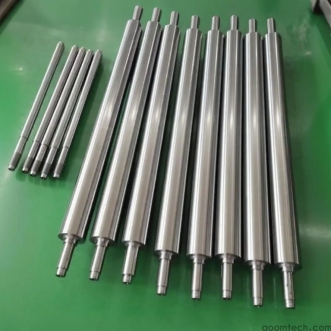
CNC turning parts are best known for their accurate cylindrical shapes. The CNC machine can control dimensions with very small tolerances, ensuring every part is consistent.
For example, a motor shaft must rotate smoothly without vibration. A CNC-turned shaft ensures perfect roundness and precise diameter, which helps improve machine performance and reduce wear.
Complex Features Integration
Although CNC turning mainly produces round shapes, it can also create complex features. These include threads, grooves, tapers, and stepped diameters.
For example, a bolt may require precise threads and a stepped design for proper assembly. CNC technology ensures these features are accurate and repeatable.
Manufacturing Process of CNC Turning Parts
Part Design and Programming
The manufacturing process of CNC turning parts begins with design. Engineers use CAD (Computer-Aided Design) software to create a 3D model with exact dimensions and tolerances.
Next, CAM (Computer-Aided Manufacturing) software converts the design into machine instructions. These instructions control spindle speed, cutting depth, feed rate, and tool movement.
For complex parts, programming may require special toolpath strategies to avoid collisions and ensure smooth cutting. This step is critical for achieving high precision.
Material Selection and Preparation
Material choice strongly affects the final quality of CNC turning parts. Common materials include aluminum, steel, brass, and engineering plastics.
For example, hard steel requires stronger cutting tools and slower machining speeds, while aluminum allows faster cutting and smoother finishing. Proper preparation, such as cutting raw material to size or heat treatment, also improves machining results.
Machine Setup and Tooling
The workpiece is clamped into a chuck or collet on the CNC lathe. Different cutting tools are used depending on the operation, such as roughing tools, finishing tools, and threading tools.
Companies like :contentReference[oaicite:0]{index=0}, :contentReference[oaicite:1]{index=1}, and :contentReference[oaicite:2]{index=2} provide advanced CNC turning machines that support high-speed and high-precision manufacturing.
Turning Operations
Rough Turning: This stage removes most excess material quickly. It focuses on efficiency rather than surface finish.
Finish Turning: This step creates final dimensions and smooth surfaces. Speed and feed rate are carefully controlled for accuracy.
Thread Cutting: Special tools create precise threads by following programmed paths. This is commonly used in screws, bolts, and fittings.
Quality Control and Inspection
Quality control ensures that CNC turning parts meet design requirements. Tools such as calipers, micrometers, and gauges are used to measure dimensions.
For example, a micrometer may detect a small deviation in shaft diameter. The machining process is then adjusted to correct the error and maintain accuracy.
Advantages of CNC Turning Parts
High Precision
The advantages of CNC turning parts include extremely high accuracy. CNC machines can achieve tight tolerances, making them suitable for demanding applications like aerospace and medical devices.
Consistent Quality
Once a CNC program is created, every part produced is identical. This consistency reduces errors and improves product reliability.
Cost-Effectiveness for Medium Production
Although setup costs may be higher, CNC turning becomes cost-effective in medium to large production runs because it reduces labor and improves efficiency.
Applications of CNC Turning Parts
Automotive Industry
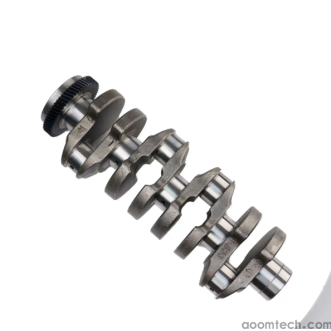
The applications of CNC turning parts in automotive manufacturing include crankshafts, camshafts, and piston rods. These parts must withstand high stress and operate with precision.
Aerospace Industry
In aerospace, CNC turning is used for turbine shafts, landing gear components, and engine fasteners. These parts must handle extreme temperatures and pressure.
Medical Device Manufacturing
CNC turning parts are used in surgical instruments, implants, and dental tools. Precision and biocompatibility are essential for patient safety.
Quality Assurance for CNC Turning Parts
Regular Machine Maintenance
Proper maintenance ensures stable machine performance. Without maintenance, wear and misalignment can cause inaccurate parts. Regular calibration improves long-term quality.
Operator Training
Skilled operators are essential. Training helps reduce setup errors and improves understanding of machining conditions, leading to better production results.
Advanced Inspection Tools and Techniques
Modern factories use Coordinate Measuring Machines (CMMs) and optical systems for high-precision inspection. These tools detect even very small deviations.
Many manufacturers follow international standards such as ISO 9001 quality management systems (ISO official site) to ensure consistent production quality.
Conclusion: The Role of CNC Turning Parts in Modern Manufacturing
CNC Turning Parts are essential components in many industries. They provide high precision, strong performance, and consistent quality for a wide range of applications.
By understanding the characteristics of CNC turning parts, manufacturing process of CNC turning parts, advantages of CNC turning parts, applications of CNC turning parts, and quality assurance for CNC turning parts, manufacturers and engineers can make better decisions in production planning.
As technology continues to improve, CNC turning will remain a key method for producing reliable and high-quality components in global manufacturing.
RELATED PRODUCTS
-
Metal Parts CNC Machining
-
CNC Machining Services for Flashlight Ho
-
Metal Parts CNC Machining Services
-
Brass Parts CNC Machining Services
-
Roller CNC Machining Services
-
CNC machining of high-precision parts
-
CNC Machining for Sprockets
-
CNC Machining for Turbine Parts
-
CNC Machining Service for Crankshafts
-
CNC Machining Service for Copper Blocks